
Last updated September 10, 2026
Level 1 sweep and inspection to the NFPA 211 annual standard - flue, crown, cap, and flashing checked and photographed
Chimney sweep logs do not sweep chimneys. They loosen some creosote - which then falls where a brush and vacuum still have to collect it.
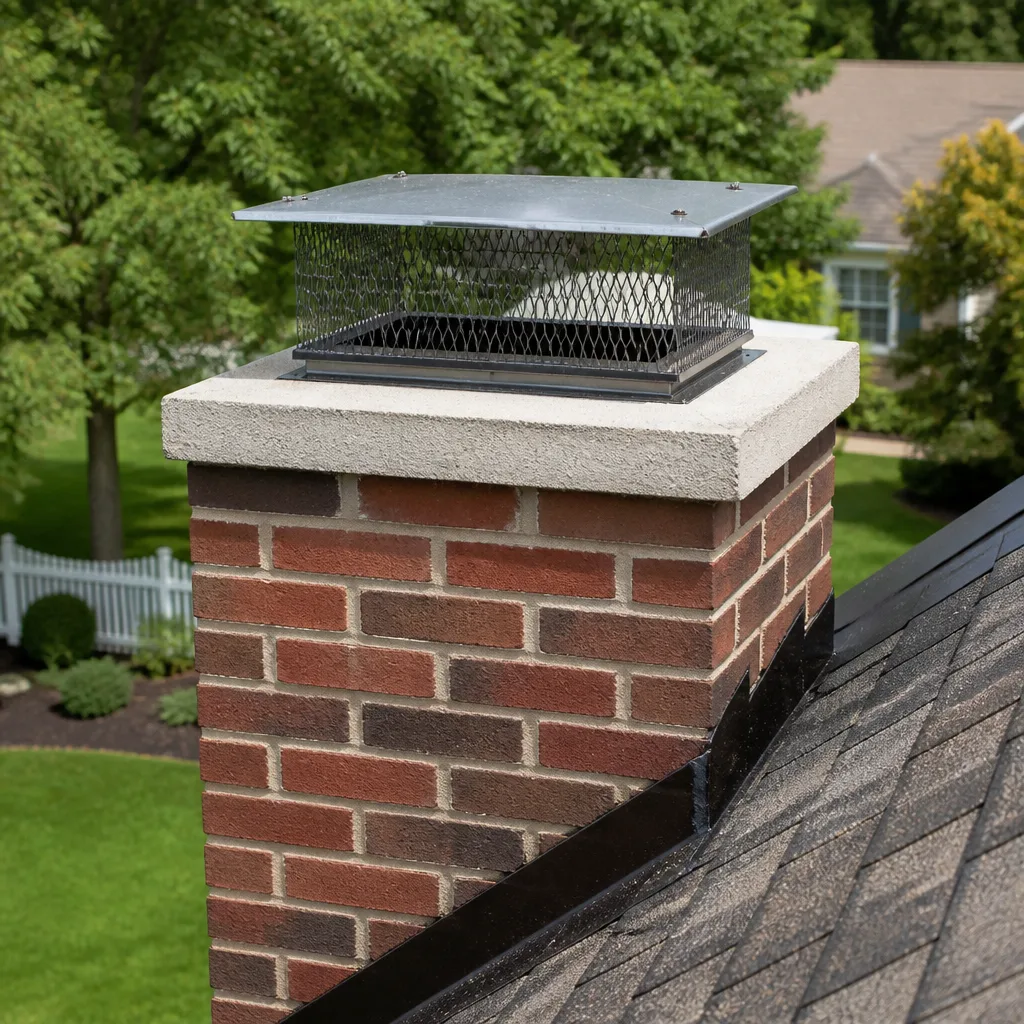
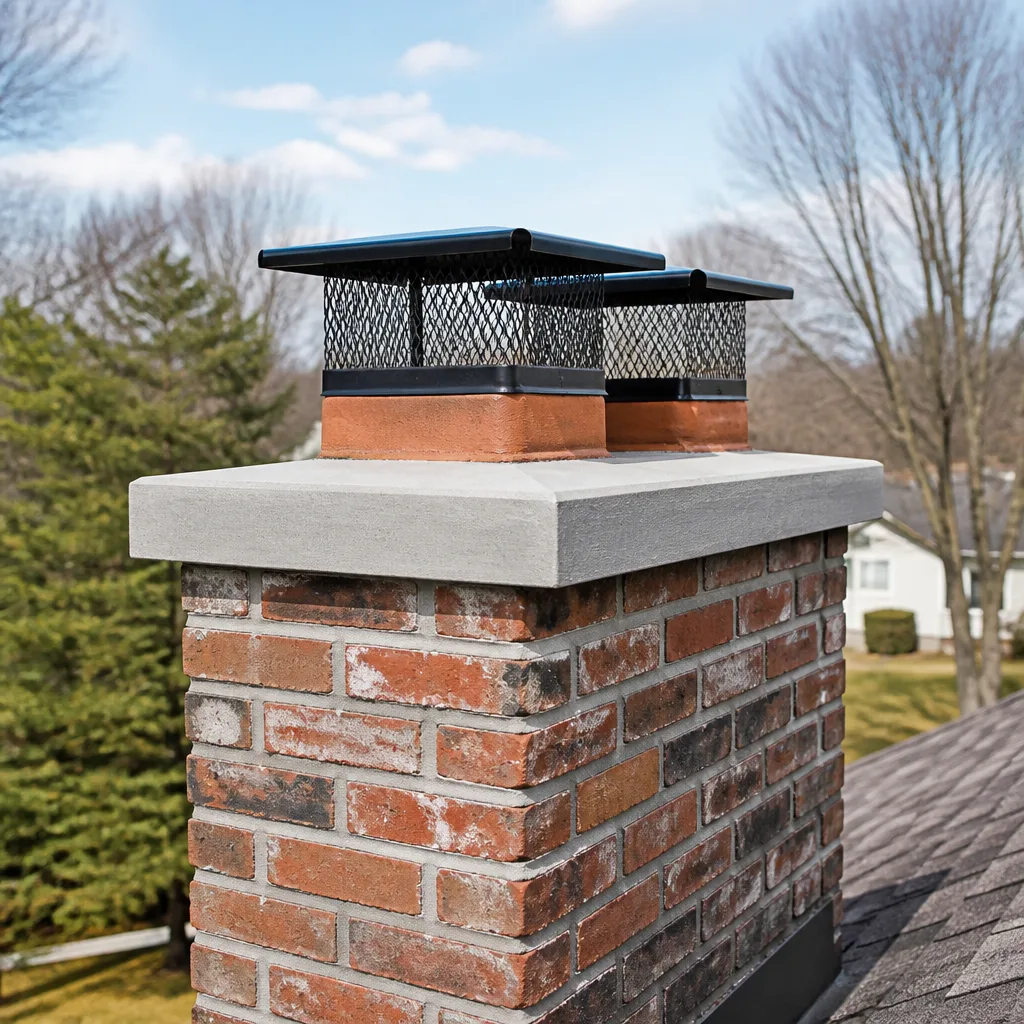
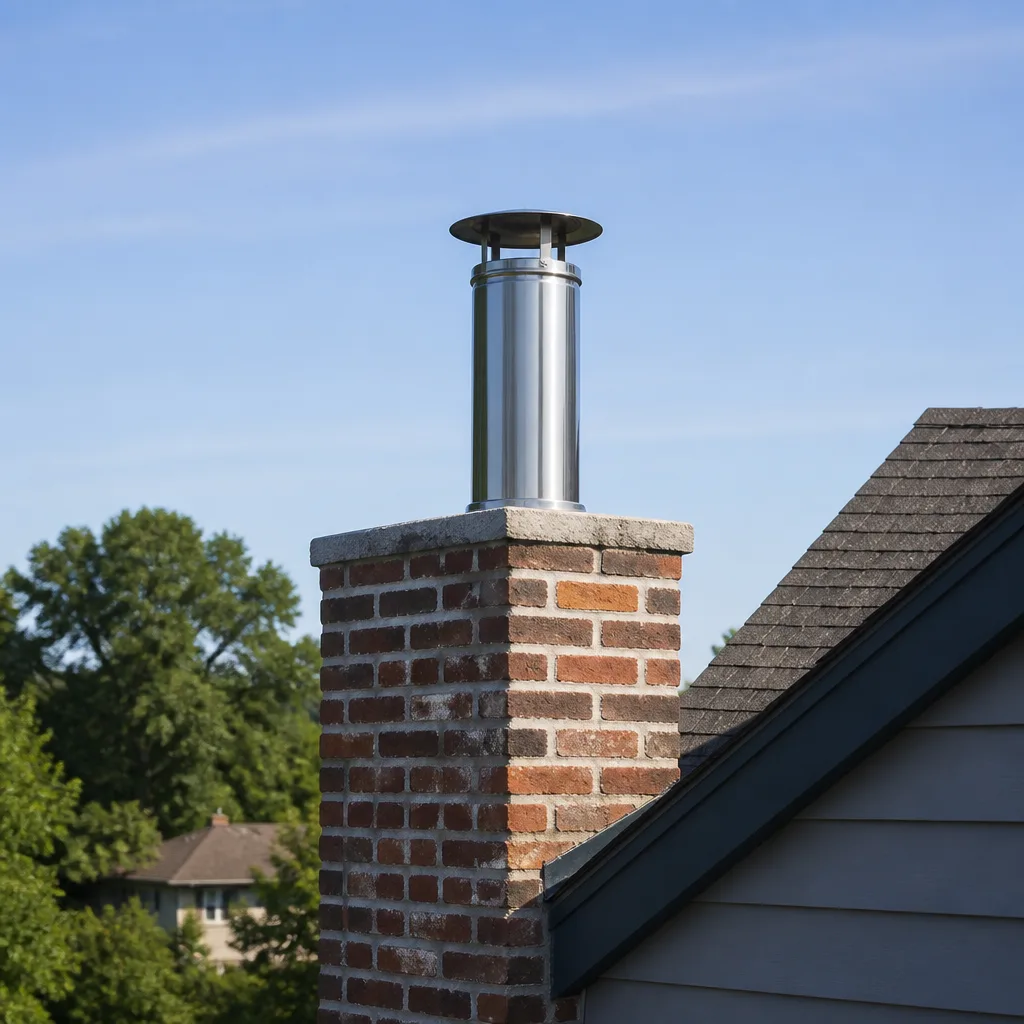
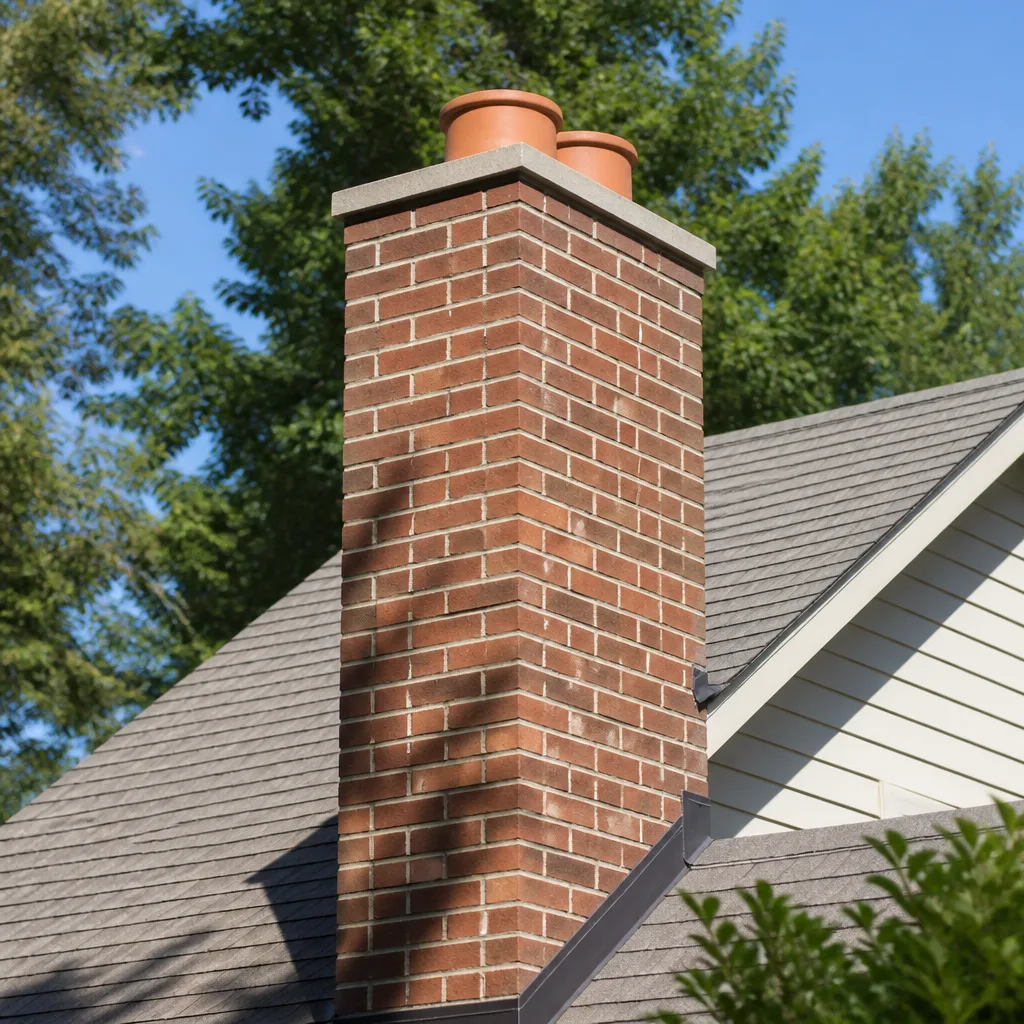
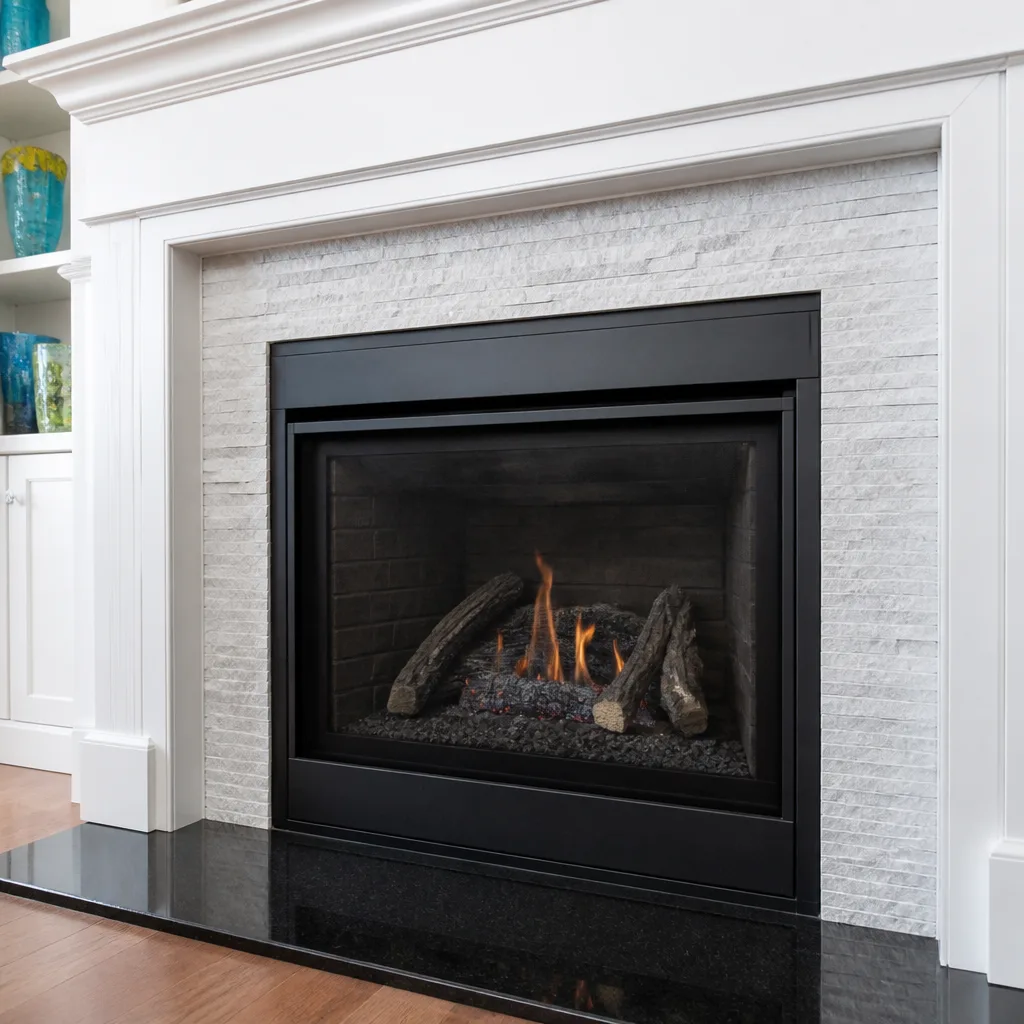
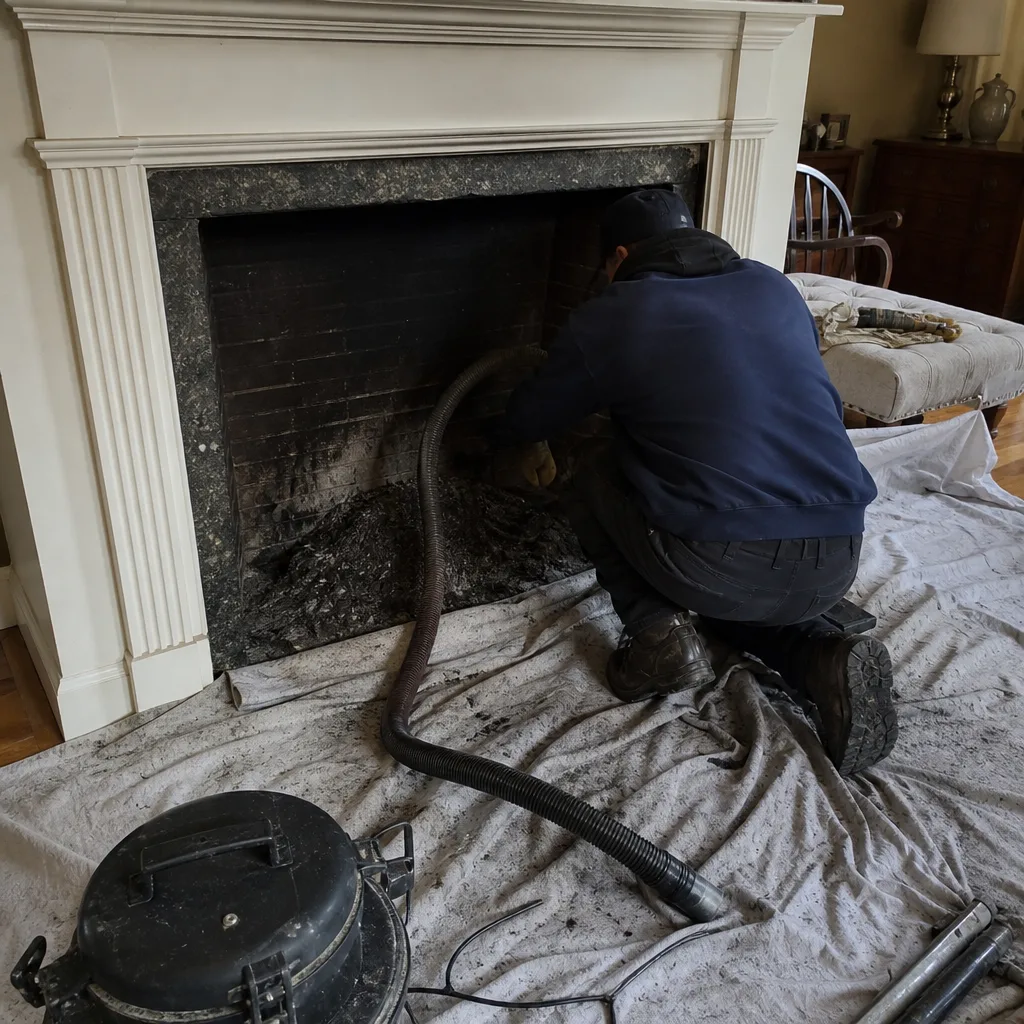 Before
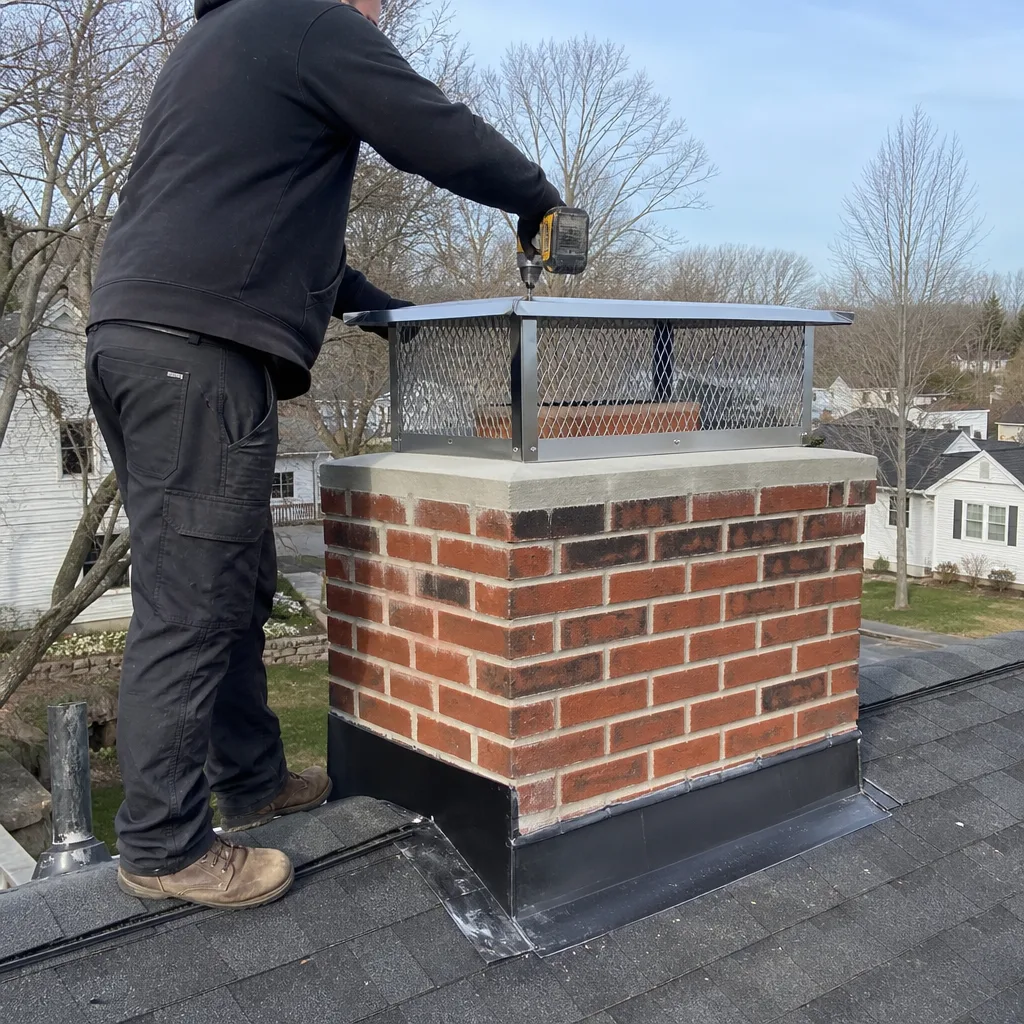 After
After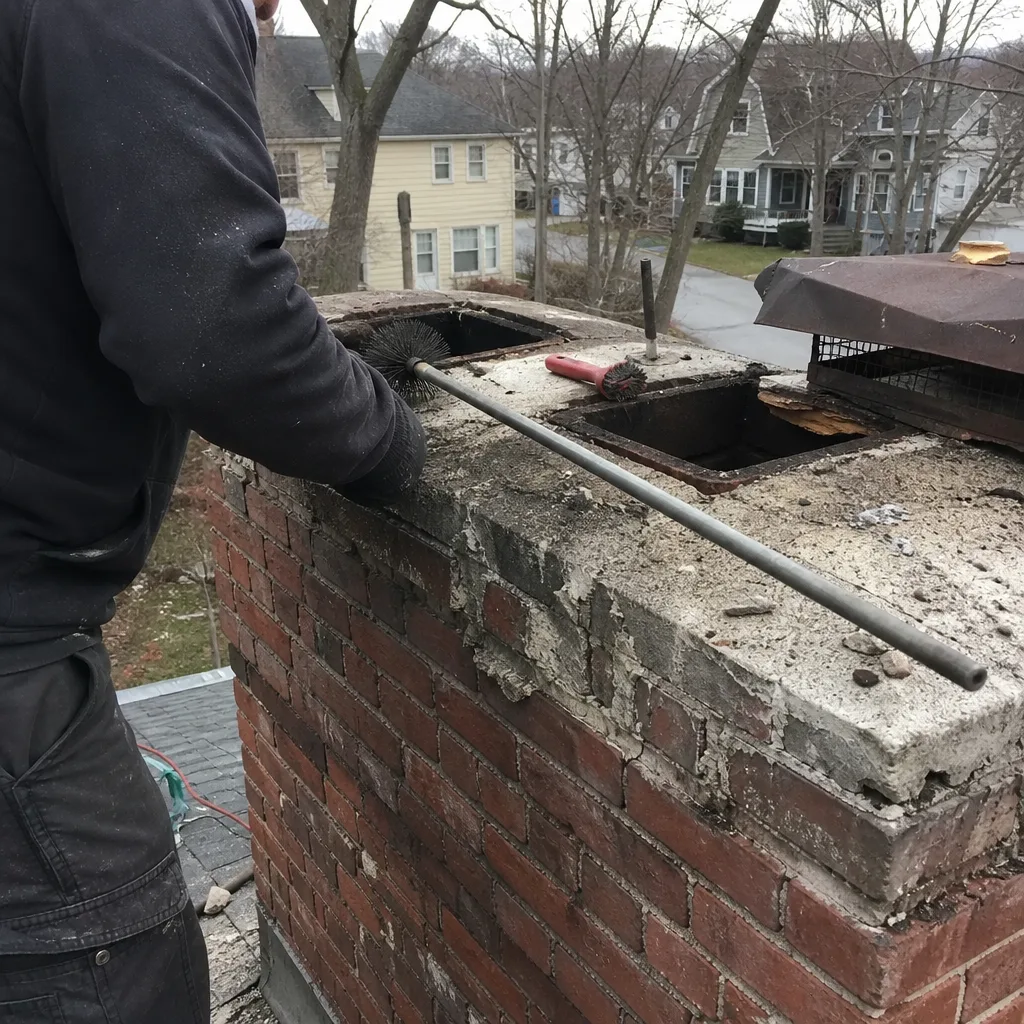 Before
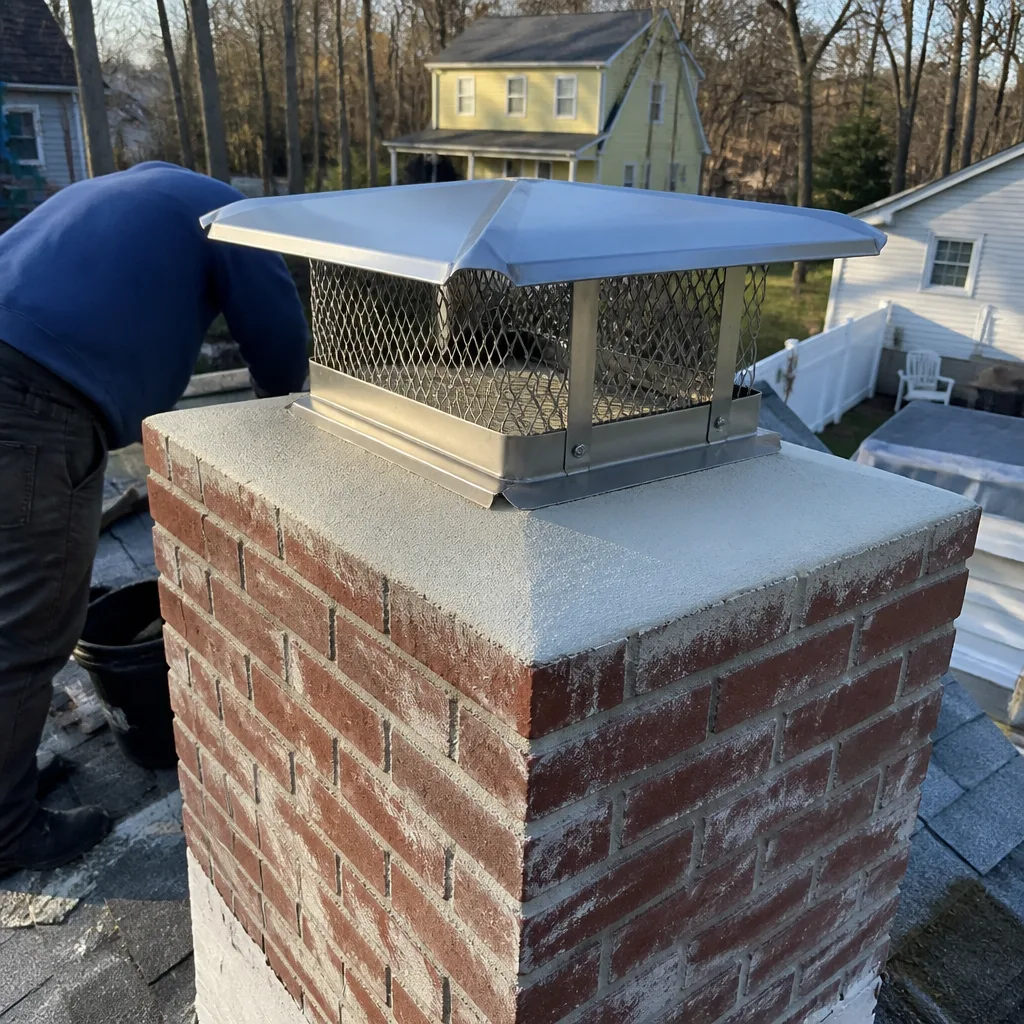 After
After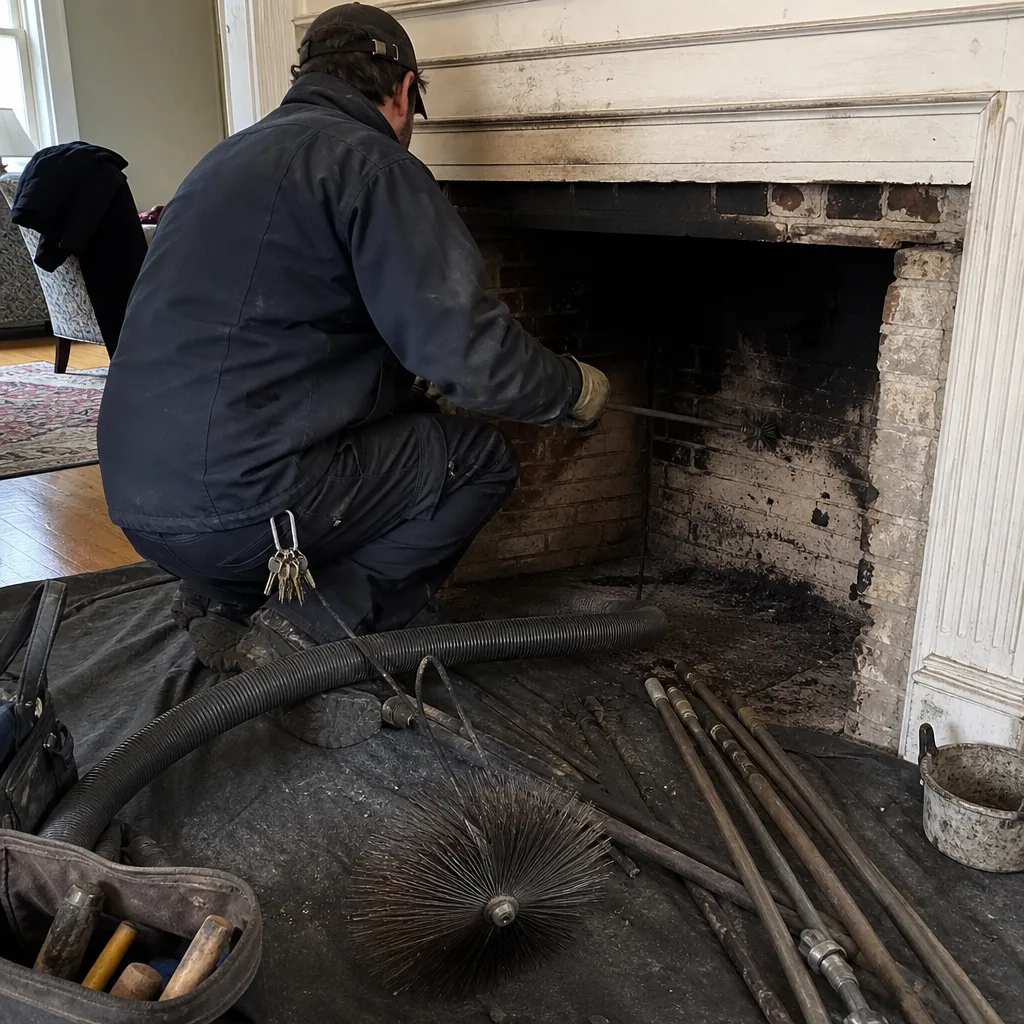 Before
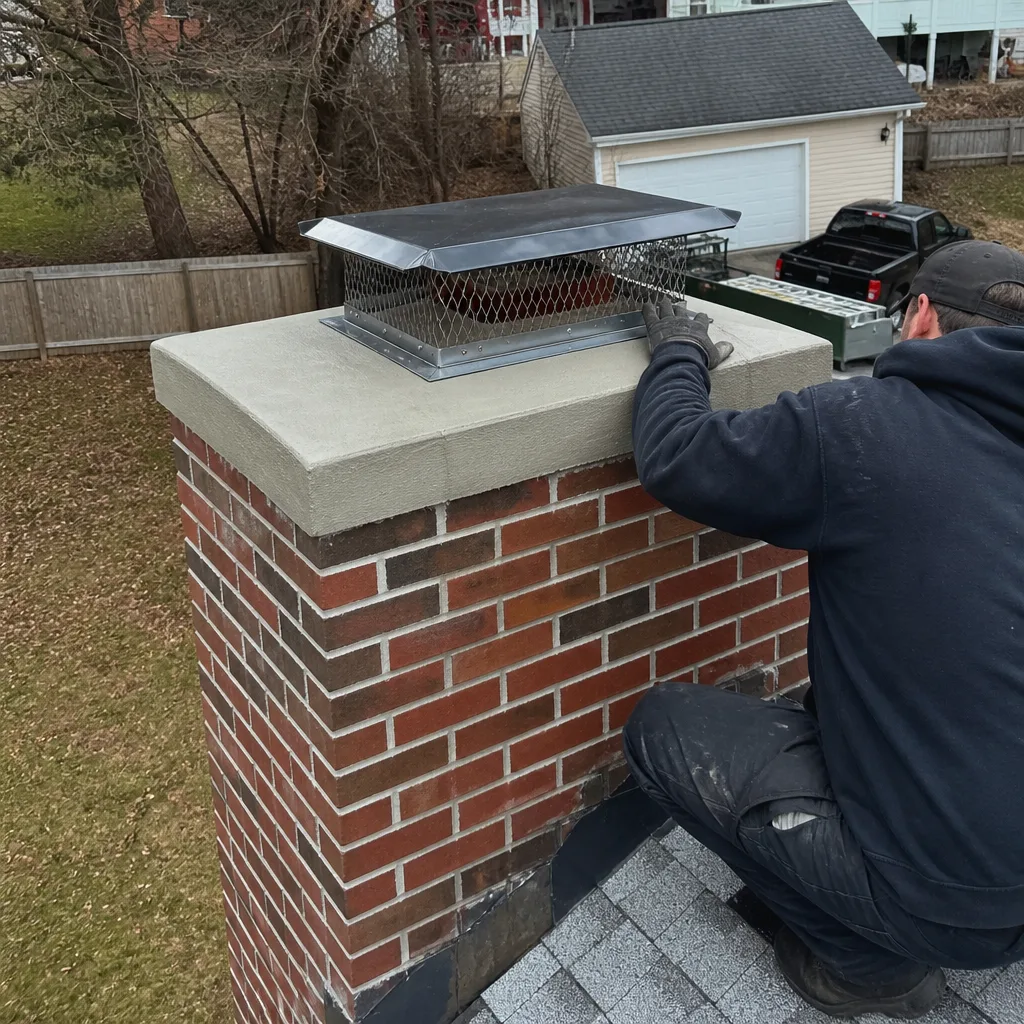 After
AfterChimney Cleaning Warning Signs: A Boston Homeowner’s Reference Guide
A white stain on the outside of your chimney is not a cosmetic issue. It’s your chimney telling you water is moving through the masonry - and if you’ve been looking at it for two winters, the damage is already ahead of the symptom. After 42 years of inspecting chimneys across Boston, from Back Bay brownstones to Dorchester triple-deckers, we’ve learned that most homeowners don’t miss the big problems. They miss the quiet ones that arrived first. This guide names every warning sign plainly, explains what it means structurally, and tells you exactly how urgent it is - or see our more guides & resources for year-round chimney care.
Quick Answer
The most common chimney warning signs Boston homeowners should watch for include white efflorescence on exterior masonry (indicating water intrusion), a persistent smoky or tar-like odor (creosote buildup), draft problems after a fire has been burning for 20 minutes, and any stain or bubbling on interior walls near the chimney chase. These signs range from “schedule a sweep this season” to “stop using the fireplace until inspected.” The key is knowing which is which - and most homeowners guess wrong.
Table of Contents
- Visual Warning Signs on the Exterior
- Interior Signs Most Homeowners Miss
- The Smell Guide: What Your Chimney Is Telling You
- Draft Issues, Smoke Backups, and What They Mean
- After a Nor’easter: The Post-Storm Checklist
- Clean It, or Stop Using It? The Urgency Index
- Common Mistakes to Avoid
- When to Call a Professional
- Frequently Asked Questions
Visual Warning Signs on the Exterior
Boston’s freeze-thaw cycles are brutal on masonry. Water enters brick and mortar in liquid form, expands when it freezes, and opens micro-cracks that let in more water next cycle. The signs this process has begun are visible if you know what to look for.
Efflorescence (White Powder or Crystals)
That chalky white residue on your chimney’s exterior is salt left behind when water moves through masonry and evaporates. It’s not dirt. It’s not paint failure. It’s water finding a path from the inside of your chimney structure to the outside - and every gallon that makes that trip is doing damage on the way.
In Boston, we see efflorescence most commonly on:
- North-facing chimney walls that stay shaded and damp
- Chimneys with failed or missing caps, where rain enters directly
- Older mortar joints that have lost their waterproofing
- Crown cracks that let water seep down into the chimney structure
Urgency: Schedule soon. Efflorescence means water is moving. It doesn’t mean collapse is imminent, but it means your chimney is getting wetter every season. A Level-2 camera inspection will show whether the water has reached the flue liner.
Spalling Brick (Flaking or Popping Faces)
When the face of a brick pops off or flakes away, the freeze-thaw cycle has already completed several rounds. The brick is literally exploding from internal pressure. In Jamaica Plain and Roslindale, where many homes have 1920s-era chimneys with soft, absorbent brick, we’ve seen spalling progress from first flake to structural concern in three to five winters.
Spalling bricks can’t be patched cosmetically. The damaged units need replacement, and the cause - water entry - needs to be stopped with proper crown repair, cap installation, or repointing with compatible mortar.
Urgency: This season. Spalling accelerates. Each lost brick face exposes more porous interior material to water.
Crown Cracks and Deterioration
The concrete crown at the top of your chimney is not decorative. It’s a watershed designed to direct rain away from the flue opening and onto the roof. A hairline crack in the crown is a failure point. In Boston’s climate, that crack will widen every winter.
We’ve replaced crowns on homes in South Boston where the original crown was poured without an overhang or drip edge - a common shortcut in mid-century construction. Water ran straight down the chimney face, saturated the masonry, and found its way into attic spaces. A proper crown, installed with professional-grade materials from Olympia Chimney or Copperfield, includes a 2-inch overhang and a drip edge that throws water clear of the masonry below. For full details, see The Complete Guide to Chimney Cleaning in Boston.
Urgency: This season. Crown cracks are the fastest path to widespread water damage.
Missing or Damaged Flashing
The metal flashing where your chimney meets the roof is the most common leak point we find. In Boston, with our heavy snow loads and ice dam seasons, flashing takes abuse. If you can see gaps, lifted edges, or rust stains on the roof below the chimney, water is getting in.
We’ve inspected chimneys in Cambridge and Somerville where previous owners had “fixed” flashing with roof cement - a temporary patch that hardens, cracks, and traps moisture against the flashing metal. The right repair removes the old flashing, inspects the underlying structure, and installs new step flashing and counterflashing properly integrated with the roofing. If you’re evaluating providers, our How to Hire a Chimney Cleaning Contractor in Boston: A Step-by-Step Guide covers what to verify.
Urgency: Stop using until inspected if you see interior water stains. Otherwise, this season.
Interior Signs Most Homeowners Miss
The most dangerous chimney problems hide inside walls and flues, where you can’t see them without a camera. But they do send signals through your house. These are the signs homeowners explain away for years.
Ceiling Stains Near the Chimney Chase
A brown or yellow stain on a ceiling below or beside the chimney chase means water has traveled through multiple layers of structure to get there. By the time you see it, the path is established. In Boston’s older housing stock - the Victorian-era homes of Dorchester, the converted triple-deckers of Allston - chimney chases often run through interior walls, and leaks can appear far from the chimney’s visible exterior.
We’ve traced ceiling stains to cracked flue liners that were allowing combustion gases to condense inside the chase, creating moisture that mimicked a roof leak. The homeowner had called a roofer twice. The problem was in the flue.
Urgency: Stop using until inspected. Any water or combustion byproduct entering wall cavities is a safety concern.
Wallpaper Bubbling or Paint Peeling Near the Chimney
When wallpaper bubbles or paint peels in a vertical strip near the chimney, homeowners blame humidity, old plaster, or bad paint. Sometimes they’re right. But when the damage follows the chimney’s path through the wall, it’s moisture from the flue or chase - either a leak or condensation from a liner that’s too cold for the appliance it’s serving.
In Brookline and Newton, where many homes have been converted from oil to gas heating, we’ve found original clay flue liners now serving high-efficiency gas appliances. The liners are too large, stay cold, and produce massive condensation that saturates surrounding masonry. The wallpaper bubbles are the visible symptom of a liner mismatch.
Urgency: This season. Condensation damage compounds, and improper liner sizing is a carbon monoxide risk.
Soot or Creosote Fallout in the Firebox
If you find black, flaky material in your firebox when you haven’t used the fireplace recently, that’s creosote that has detached from the flue above and fallen. It means buildup has reached the point where pieces are breaking free. Some of those pieces may not fall all the way down.
We’ve removed creosote deposits during chimney cleaning in Boston homes where the buildup was thick enough to significantly narrow the flue. In one case in West Roxbury, a homeowner had been smelling “something like asphalt” for weeks. The flue was coated with glazed creosote - a hardened, fuel-like layer that burns at high temperature and is the leading cause of chimney fires.
Urgency: Stop using until cleaned. Falling creosote means the flue has significant buildup.
Damper That Won’t Open or Close Fully
A stuck or damaged damper is more than inconvenience. A damper that won’t close fully wastes heat all winter. One that won’t open fully restricts draft and can cause smoke to enter the room. But the real concern is why it’s stuck - often corrosion from moisture in the flue, or creosote buildup on the damper plate and frame.
In Boston’s coastal climate, with salt air affecting metal components, we’ve seen stainless steel dampers last decades while original cast iron units corrode to the point of failure. If your damper is original to a pre-1980s home, it’s overdue for inspection.
Urgency: Schedule soon. A stuck damper is a maintenance issue; corrosion in the flue is the underlying concern to check.
The Smell Guide: What Your Chimney Is Telling You
Your nose is a more precise diagnostic tool than most homeowners realize. Different chimney problems produce distinctly different odors. Learning to distinguish them can tell you what’s happening inside your flue before you ever look up it.
The Tar/Asphalt Smell: Glazed Creosote
A sharp, chemical smell like roofing tar or hot asphalt means glazed creosote. This occurs when fresh creosote layers are heated by repeated fires, melting and resolidifying into a hard, glassy coating. Glazed creosote is more dangerous than flaky buildup because it burns intensely if ignited, and it’s harder to remove.
We remove glazed creosote with mechanical brushing and, when necessary, professional-grade chemical treatments. It’s not a DIY job - the removal process itself can generate combustible dust, and the work requires proper containment and respiratory protection.
Urgency: Stop using until cleaned.
The Musty/Damp Smell: Moisture and Mold
A persistent mustiness, especially in summer when the chimney isn’t in use, means moisture is present and likely supporting mold growth inside the flue or chase. In Boston’s humid summers, a chimney with a failed cap or crown crack becomes a mold incubator.
We’ve inspected chimneys in humid pockets like the Fenway area where the musty smell was the only symptom. Camera inspection revealed green and black mold colonies on the smoke shelf and lower flue. The cause was a combination of a missing cap and deteriorated crown that had allowed two years of uninterrupted water entry.
Urgency: This season. Mold in the flue affects indoor air quality and indicates ongoing water damage.
The Animal/Nesting Smell: Intrusion
A sharp, ammonia-like or “barnyard” smell means animals have entered your chimney. Squirrels, raccoons, and birds are common in Boston’s tree-lined neighborhoods. The smell is worst in warm weather when the animal is present or when a carcass is decomposing.
We remove animals humanely when possible, then install a proper chimney cap with animal-proof screening. The screening must be the correct gauge - too large, and small animals enter; too small, and it clogs with creosote or soot.
Urgency: Schedule soon. Animals damage liners, block flues, and introduce parasites and moisture.
The Smoke/Soot Smell When Not in Use: Downdraft or Negative Pressure
If you smell smoke or soot when the fireplace hasn’t been used recently, your chimney is experiencing downdraft - outside air pushing down the flue, carrying old soot odors into the house. This is common in Boston’s tightly sealed modern homes and in homes with powerful kitchen exhaust fans or dryer vents that create negative pressure.
The solution may be as simple as a top-sealing damper that seals the flue at the crown, preventing downdraft. In other cases, the chimney height or surrounding roof configuration needs adjustment. We diagnose downdraft with smoke testing and airflow measurement, not guesswork.
Urgency: Schedule soon. Downdraft means combustion byproducts can enter your living space.
Draft Issues, Smoke Backups, and What They Mean
A properly functioning chimney draws combustion gases up and out. When it doesn’t, the cause falls into three categories: obstruction, liner damage, or house pressure problems. Each produces different symptoms and requires different solutions.
Smoke Enters the Room Within 10 Minutes of Lighting
If smoke enters your living space soon after lighting a fire, the flue is likely obstructed. The obstruction may be:
- Creosote buildup narrowing the flue cross-section
- An animal nest or debris from a missing cap
- A collapsed clay liner or liner displacement creating a blockage
- Structural damage from a chimney fire that has partially collapsed the flue
In any case, stop using the fireplace. A Level-2 inspection with camera will locate and identify the obstruction. We’ve found everything from a football (Roxbury, 2019 - “we thought it would fit”) to a complete liner collapse hidden by a partial blockage that allowed some draft but not enough.
Urgency: Stop using until inspected.
Smoke Backup After 20-30 Minutes of Normal Operation
If the fire starts normally but smoke begins backing up after it’s been burning a while, the problem is often a cold flue or house pressure changes. As the fire burns, it consumes oxygen and may deplete the room’s air supply. Meanwhile, exhaust fans, furnaces, or dryers elsewhere in the house create negative pressure that overcomes the chimney’s draft.
This is particularly common in Boston’s renovated homes, where original drafty construction has been tightened with insulation and new windows, but the chimney system hasn’t been updated to match. The house has become too tight for the chimney to function.
Solutions include:
- Installing an outside air kit for the fireplace
- Adding a top-sealing damper to maintain flue temperature
- Adjusting or upgrading the liner to properly size it for the appliance
- Balancing house pressure by reviewing exhaust fan and vent configurations
Urgency: This season. The fireplace is usable with caution, but the underlying issue needs professional diagnosis.
Difficulty Starting a Fire or Keeping It Lit
If fires are hard to start or won’t stay lit despite dry wood and proper technique, the chimney may be too cold to establish draft. This is common in exterior chimneys on north walls, in chimneys that extend above the roofline with significant exposed height, and in chimneys with oversized flue liners.
Pre-warming the flue by burning rolled newspaper at the damper level can help establish initial draft. But if this is consistently necessary, your chimney system is marginal and needs professional evaluation. In Boston’s winter climate, a marginal system becomes a failed system on the coldest days.
Urgency: Schedule soon.
After a Nor’easter: The Post-Storm Checklist
Boston’s nor’easters deliver a specific set of chimney hazards that don’t apply in every climate. The combination of heavy wet snow, driving rain, high winds, and rapid temperature drops creates stress conditions that reveal or accelerate existing problems.
The 48-Hour Post-Storm Inspection
After every significant nor’easter, check these items:
- Check the ground around your chimney base for fresh brick or mortar fragments. High winds can dislodge spalling material that was already loose. New debris means new damage.
- Look for displaced or missing chimney caps. Wind gusts over 60 mph can lift poorly secured caps. A missing cap exposes your flue to immediate water and animal entry.
- Inspect attic spaces near the chimney for new water stains. Ice dam conditions force water uphill under flashing. The leak may not reach living spaces for days or weeks.
- Test your damper operation. Moisture from wind-driven rain can cause rapid corrosion binding. If the damper was stiff before the storm, it may be stuck after.
- Smell-check the firebox after the storm passes. A sudden musty or animal odor may mean a cap failed or an animal sought shelter during the storm.
We’ve responded to emergency calls in Boston after every major nor’easter for 42 years. The pattern is consistent: chimneys that were marginal before the storm fail during it, and chimneys that were sound survive. The difference is maintenance.
Ice Dam-Related Chimney Leaks
Ice dams form when roof snow melts over heated attic space, runs to the cold eaves, and refreezes. The resulting ice barrier forces water back up the roof, under shingles, and into any penetration - including chimney flashing. In Boston, with our frequent freeze-thaw cycles, ice dams can form repeatedly in a single winter.
Chimney leaks caused by ice dams often appear as stains on interior walls below the chimney chase, sometimes far from the chimney’s visible location. Homeowners blame the chimney; sometimes the chimney flashing is sound and the water is entering elsewhere, traveling along framing, and exiting at the chimney penetration. Proper diagnosis requires tracing the water path, not assuming the chimney is at fault.
Urgency: This season. Ice dam leaks cause rapid interior damage and may indicate insulation or ventilation problems beyond the chimney.
Clean It, or Stop Using It? The Urgency Index
Not every warning sign demands the same response. We’ve developed this three-tier system based on 42 years of calls from Boston homeowners. Use it to gauge your situation before you call.
Tier 1: Schedule Soon (Within 4-6 Weeks)
- Efflorescence on exterior masonry with no interior signs
- Minor crown cracking without visible water entry
- Damper stiffness or minor operational issues
- Musty odor in summer, fireplace not in use
- Difficulty establishing draft on cold days
- Downdraft odors when fireplace is not in use
These conditions indicate maintenance needs or early-stage problems. They’re not immediately dangerous, but they will worsen. Schedule a chimney cleaning and inspection in Boston during normal business hours.
Tier 2: This Season (Within 2 Weeks)
- Spalling brick or deteriorating mortar joints
- Significant crown damage or missing cap
- Smoke backup after 20+ minutes of normal burning
- Consistent difficulty starting or maintaining fires
- Wallpaper bubbling or paint peeling near chimney chase
- Animal intrusion or nesting evidence
- Visible mold or moisture in firebox or smoke shelf
These conditions affect safety or structural integrity and need prompt professional attention. Call for scheduling; mention the specific symptom when you call so we can allocate appropriate time and equipment.
Tier 3: Stop Using Until Inspected
- Smoke entering room within 10 minutes of lighting
- Visible flames or glowing material in chimney exterior
- Fallen creosote pieces in firebox with recent use
- Tar/asphalt odor indicating glazed creosote
- Ceiling stains or active water dripping near chimney
- Chimney fire has occurred (loud roaring, sparks, shaking)
- Damper or flue completely blocked or obstructed
Do not use the fireplace or appliance. Call (857) 597-5950 - our phones are answered by a live person 24 hours a day, 7 days a week. We’ll schedule emergency inspection and advise on safe interim measures.
Common Mistakes to Avoid
- Assuming a chimney fire “cleans out” the flue. A chimney fire damages liners, cracks masonry, and can ignite adjacent framing. It does not clean anything. Every chimney fire requires professional inspection before reuse - we’ve found cracked clay liners and displaced flue sections that homeowners didn’t know existed.
- Using the fireplace “just once more” before scheduling. In Boston’s early winter, homeowners routinely tell us they’ll call after the holidays. If your chimney shows Tier 2 or 3 warning signs, that extra fire is the one that converts a maintenance issue into an emergency.
- Trusting a general contractor’s chimney assessment. General contractors are skilled in their trade. Chimney systems involve combustion science, flue dynamics, and specialized codes (NFPA 211, Massachusetts building codes) that require specific training. We’ve corrected diagnoses from well-meaning contractors who misidentified liner damage as “just needs cleaning” or structural cracks as “cosmetic.”
- Ignoring seasonal odor changes. A chimney that smells different in summer than winter is telling you something. Summer humidity activates mold and moisture issues that winter dryness suppresses. That musty August smell is the same water problem that will become a February ice dam leak.
- Buying a chimney cap at a hardware store and installing it yourself. The wrong cap - wrong size, wrong screening, wrong mounting - creates more problems than no cap. We’ve removed dozens of improperly installed caps that trapped moisture, blocked draft, or blew off in the first storm. Professional-grade caps from Famco or Olympia Chimney, properly sized and secured, last decades.
- Assuming new construction means no problems. We’ve inspected chimneys in Boston’s new luxury condos where the builder used the wrong liner material for the appliance type, or where the chase was framed and sided without proper waterproofing. New does not mean correct.
- Waiting for “the big sign.” The big sign is often a chimney fire, a ceiling collapse, or carbon monoxide exposure. By then, the warning signs - which were present and ignored - have converted into damage that costs ten times more to repair. The subtle signs are the important ones.
When to Call a Professional
Call a certified chimney professional when any Tier 2 or 3 warning sign appears, when you’ve experienced a chimney fire or suspected one, or when your chimney hasn’t been inspected in over 12 months. Massachusetts recommends annual inspection for all solid-fuel chimneys; gas and oil chimneys should be inspected every 2-3 years or per manufacturer requirements.
At Hearthstone Chimney Co., we provide chimney repair in Boston and surrounding communities with Level-2 camera inspections that end with photos you can see and a plain-English verdict. Our technicians are background-checked and uniformed, and most jobs are completed in a single visit with no-hassle upfront pricing. Every job is covered by our 90-Day Done Right Promise - in writing, no arguing.
Hearthstone Chimney Co. offers free estimates in Boston - call (857) 597-5950.
Frequently Asked Questions
A standard chimney sweep and Level-1 inspection in the Boston market typically ranges from $200 to $350, depending on accessibility, appliance type, and buildup severity. A Level-2 inspection with camera, recommended when warning signs are present or when buying or selling a home, generally runs $350 to $500. Hearthstone offers a $89 Seasonal Tune-Up for qualifying systems, and our $50 Off Any Repair Over $250 applies to work found during inspection. Call (857) 597-5950 for an exact quote - estimates are free.
The National Fire Protection Association recommends annual inspection for all chimneys, and cleaning “when necessary” based on inspection findings. In Boston’s climate, with our extended heating season and frequent freeze-thaw cycles, we find most wood-burning chimneys need annual cleaning. Gas and oil systems may go 2-3 years between cleanings if inspection shows minimal buildup, but the inspection itself should still be annual. Heavy use - more than three fires per week in season - may require mid-season cleaning.
You should never accept a liner replacement recommendation without camera evidence you can see yourself. A damaged liner shows cracks, gaps, or deterioration visible on camera; a proper inspection provides photos. At Hearthstone, we show you the images, explain what they mean, and tell you plainly when work can safely wait. Our Free Second Opinion on any written estimate ensures you have confidence in the diagnosis. If a sweep can’t show you the damage, get another opinion.
Skipped maintenance leads to creosote accumulation, which increases fire risk and restricts draft. It allows moisture entry that deteriorates masonry from the inside. It permits minor liner damage to progress to complete liner failure, which can allow combustion gases into living spaces. In Boston, we’ve seen neglected chimneys require complete rebuilds that cost 15 to 20 times annual maintenance. The real risk isn’t the maintenance cost - it’s that damage progresses silently until it’s catastrophic.
Summer humidity activates odors from creosote, moisture, and any organic material in the flue. Warm outside air can create downdraft conditions that push these odors into your house. The smell is worse in summer because your nose detects it; the underlying condition exists year-round. A proper cleaning removes the odor source, and a top-sealing damper prevents downdraft entry.
Gas fireplaces produce lower-temperature exhaust than wood, but they still require proper venting. Warning signs like draft problems, moisture, or liner damage affect gas systems too. Carbon monoxide risk from a failed or improperly lined gas vent is actually higher than fire risk from a wood system, because CO is odorless and invisible. Never assume gas is “safer” and can be used despite warning signs. Have the system inspected.
Our Level-1 inspection includes visual examination of accessible portions of the chimney exterior, interior, and connecting appliance. Our Level-2 inspection, recommended for warning signs or real estate transactions, adds camera inspection of the flue interior, attic and crawl space examination as accessible, and a written report with photos. Both include a plain-English verdict with no pressure to purchase additional services. The 90-Day Done Right Promise covers all work we recommend and perform.
The Bottom Line
Your chimney communicates constantly through visual signs, smells, sounds, and performance changes. The white stain you’ve been ignoring, the draft that “was always a little weak,” the smell that returns each August - these are not quirks of an old house. They’re specific, diagnosable conditions with specific urgency levels. Learning to read them lets you maintain your chimney proactively, avoid emergency repairs, and use your fireplace with confidence through Boston’s long heating season.
The craftsman’s approach is simple: inspect annually, address warning signs at the right urgency level, and never guess when a camera can show you the truth. Done right - and we stand behind it.
Written by Russell Haines, Owner at Hearthstone Chimney Co., serving Boston since 2014.