
Last updated September 10, 2026
Level 1 sweep and inspection to the NFPA 211 annual standard - flue, crown, cap, and flashing checked and photographed
Chimney sweep logs do not sweep chimneys. They loosen some creosote - which then falls where a brush and vacuum still have to collect it.
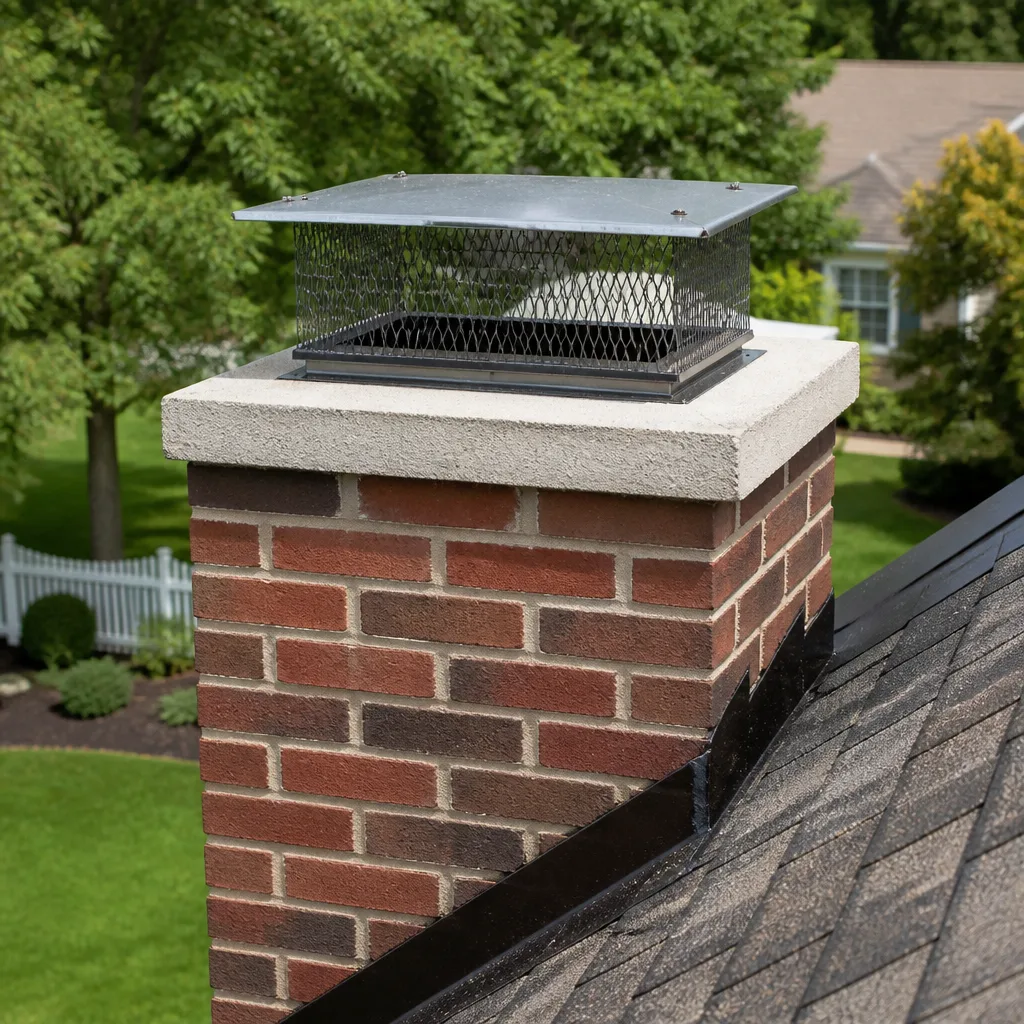
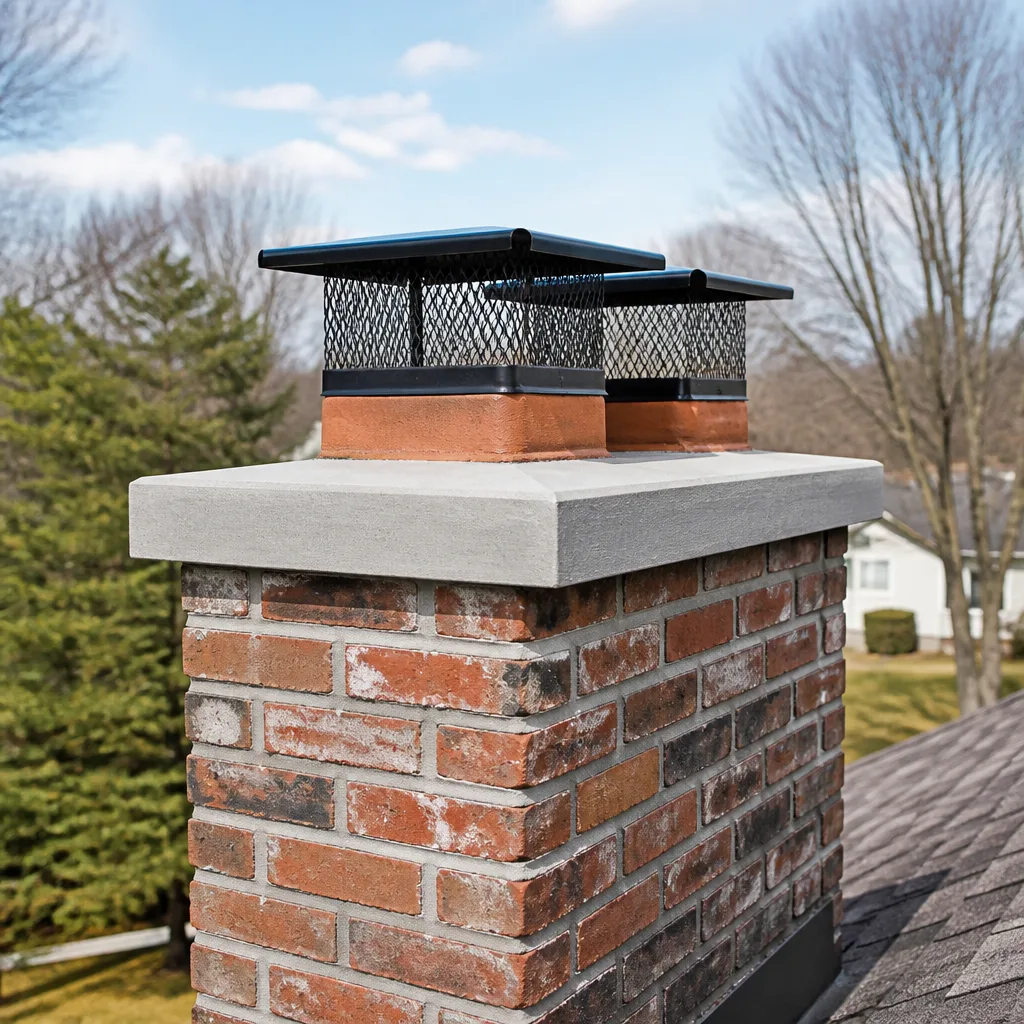
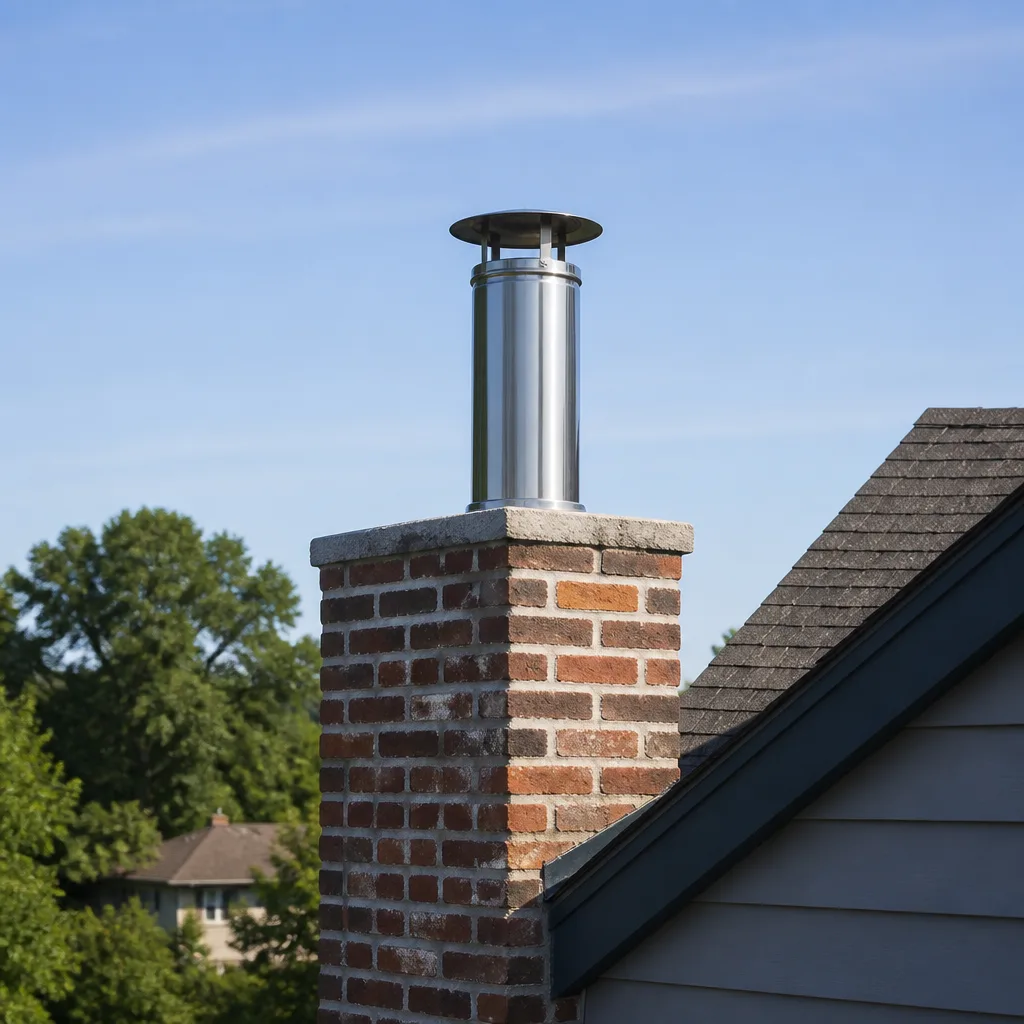
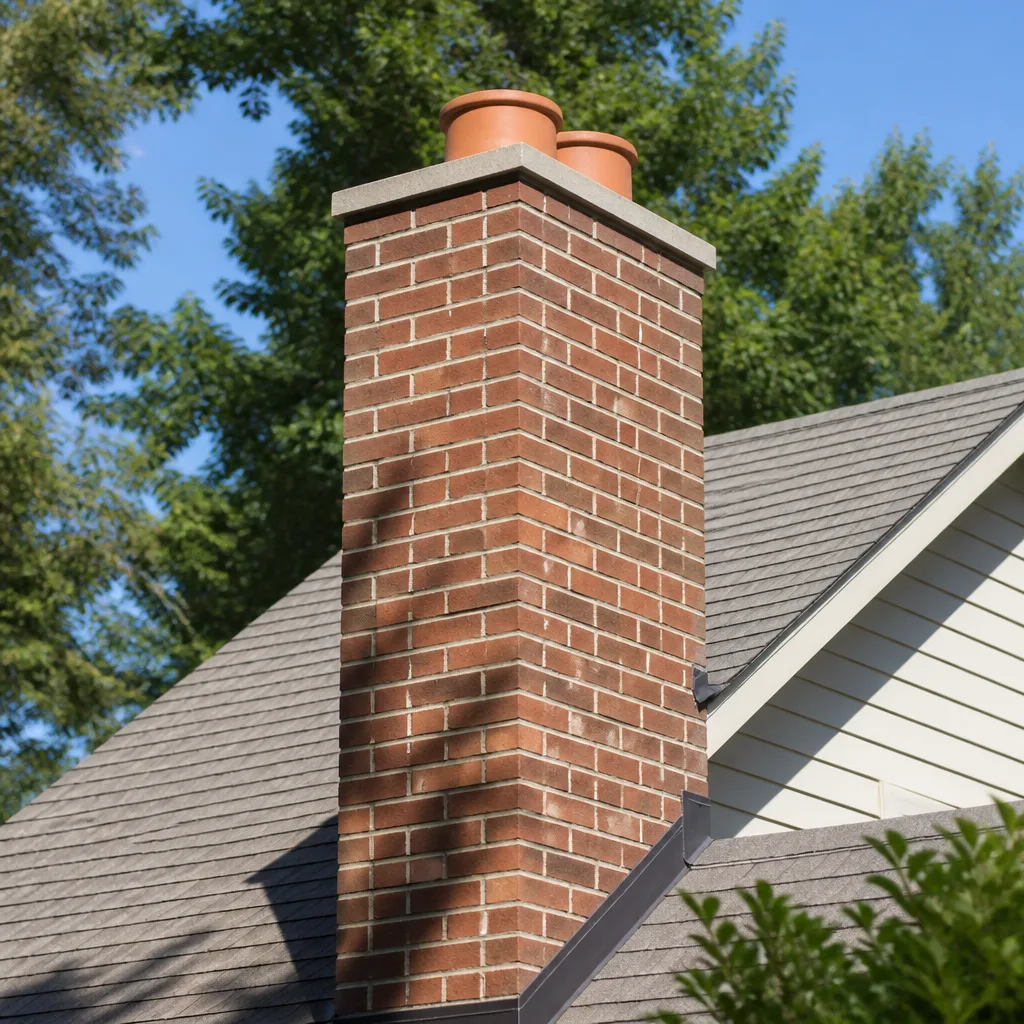
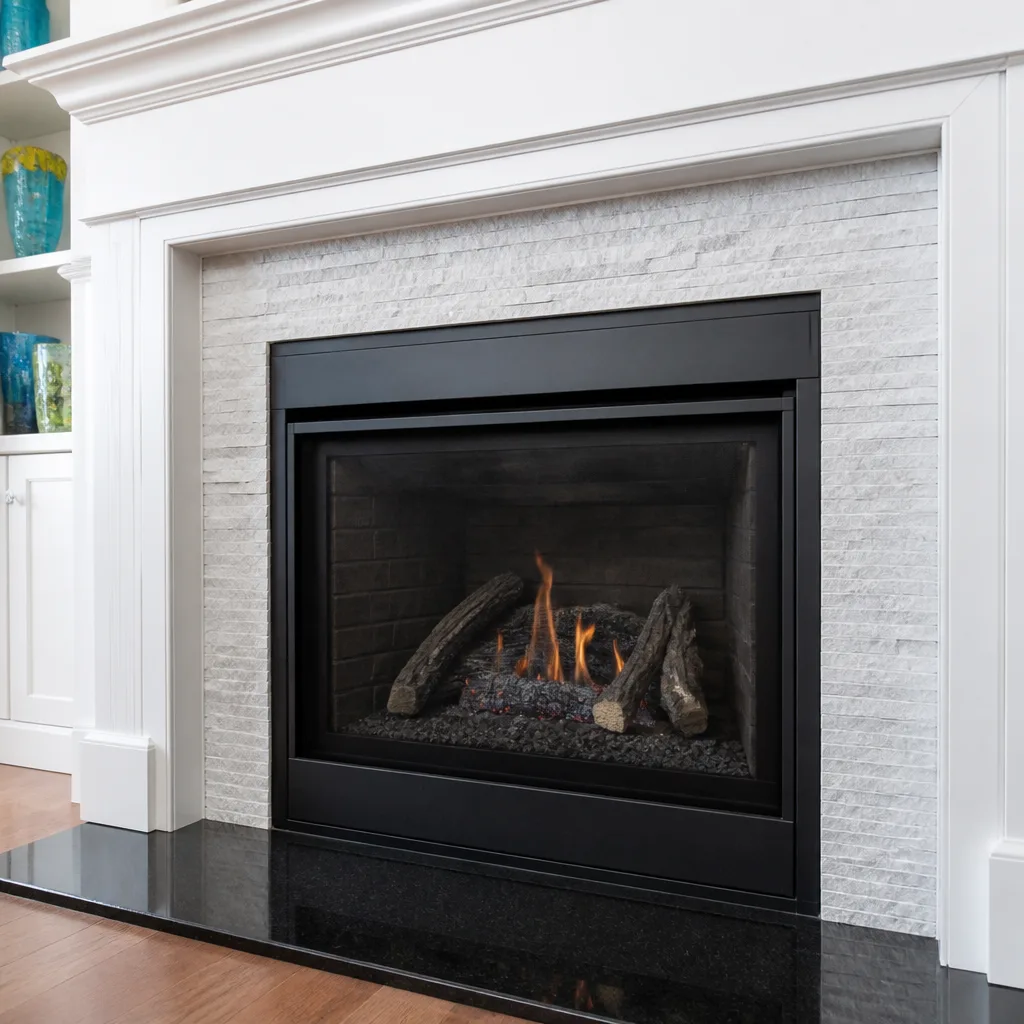
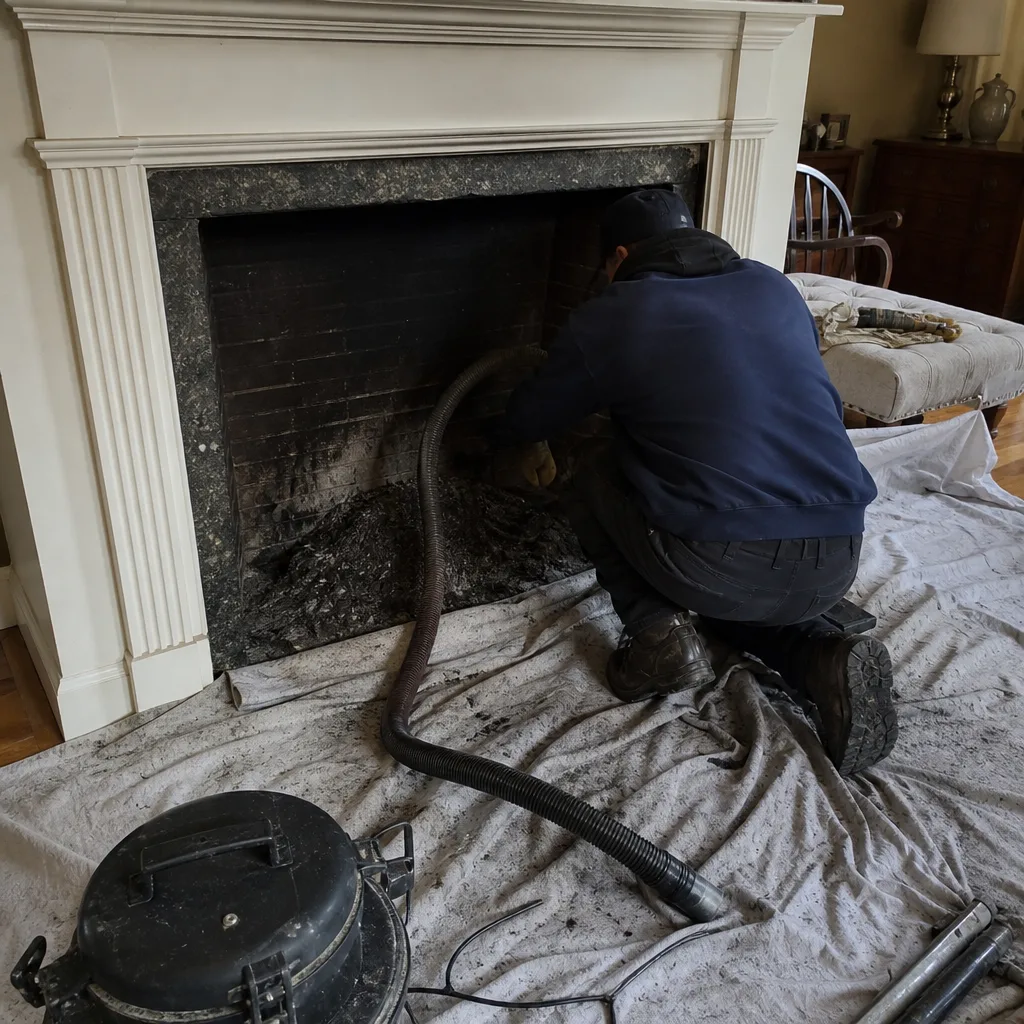 Before
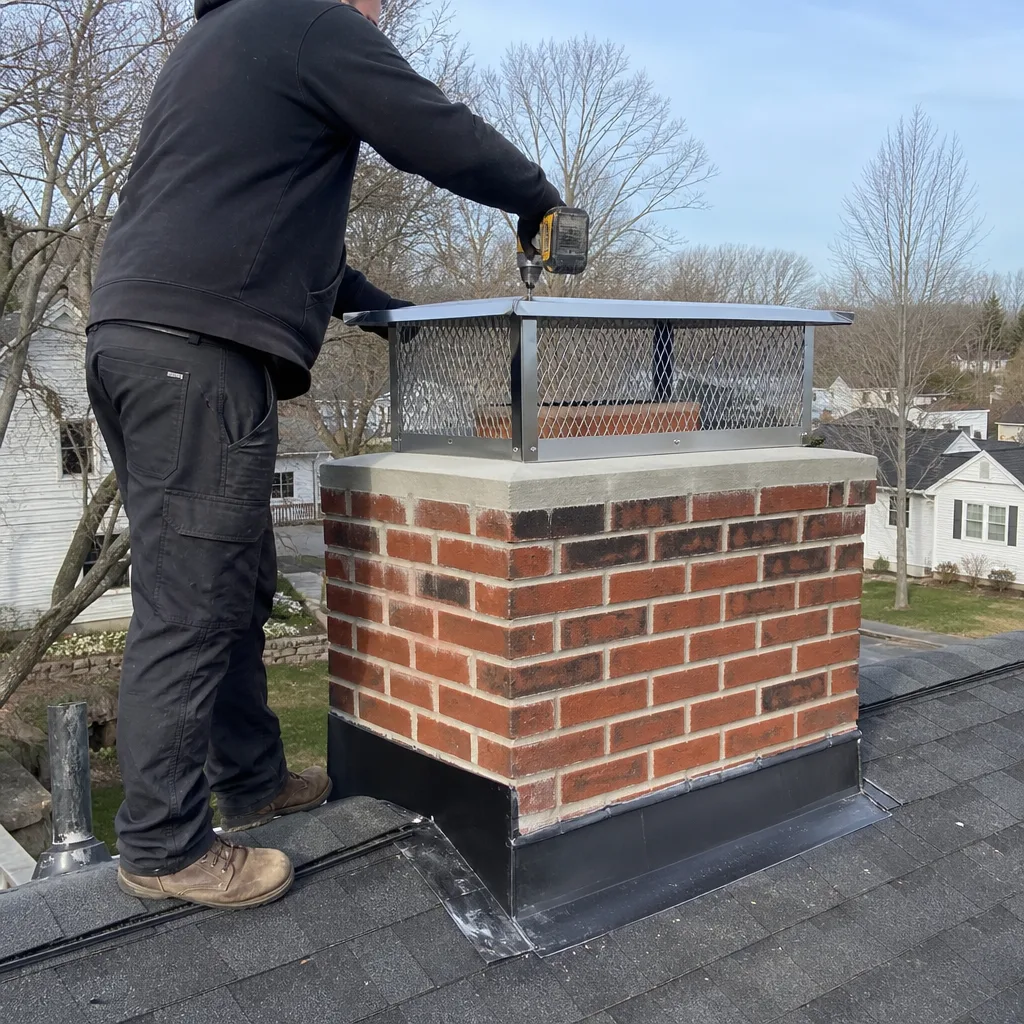 After
After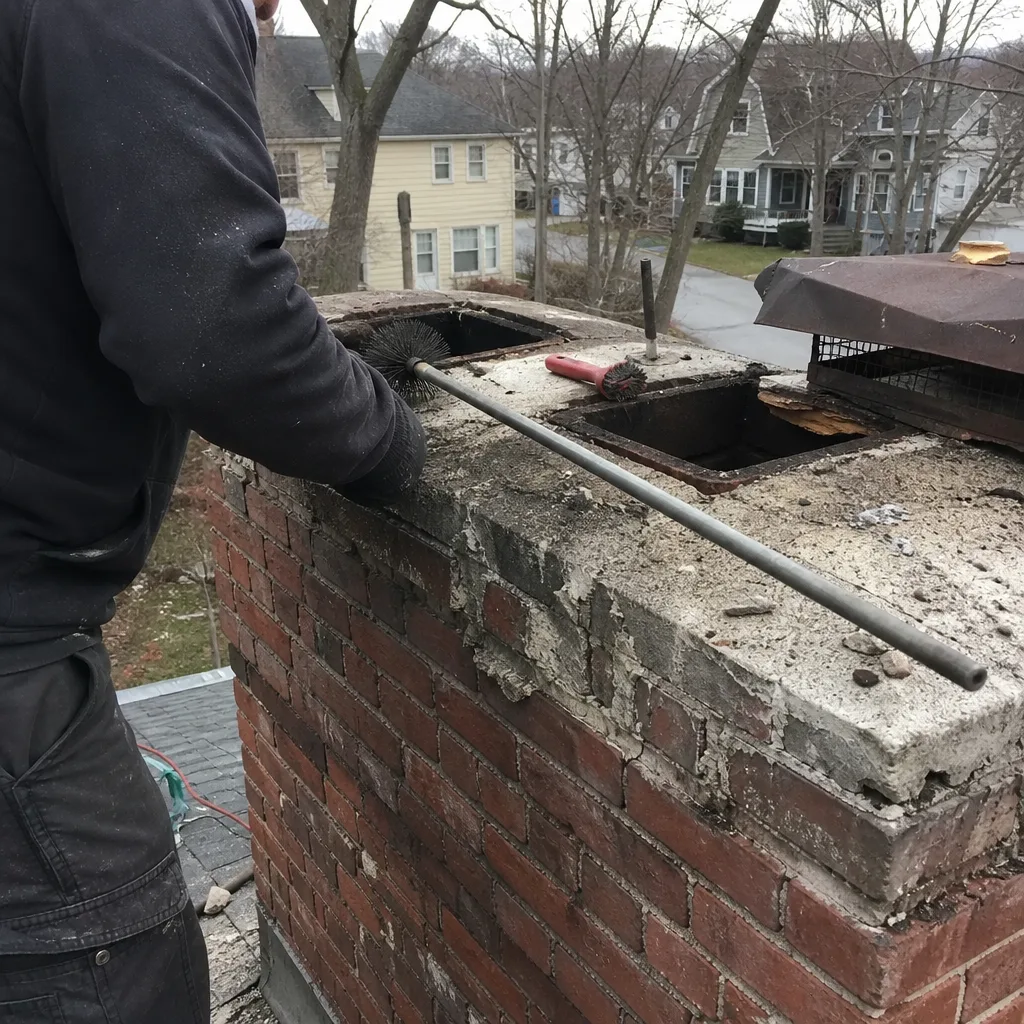 Before
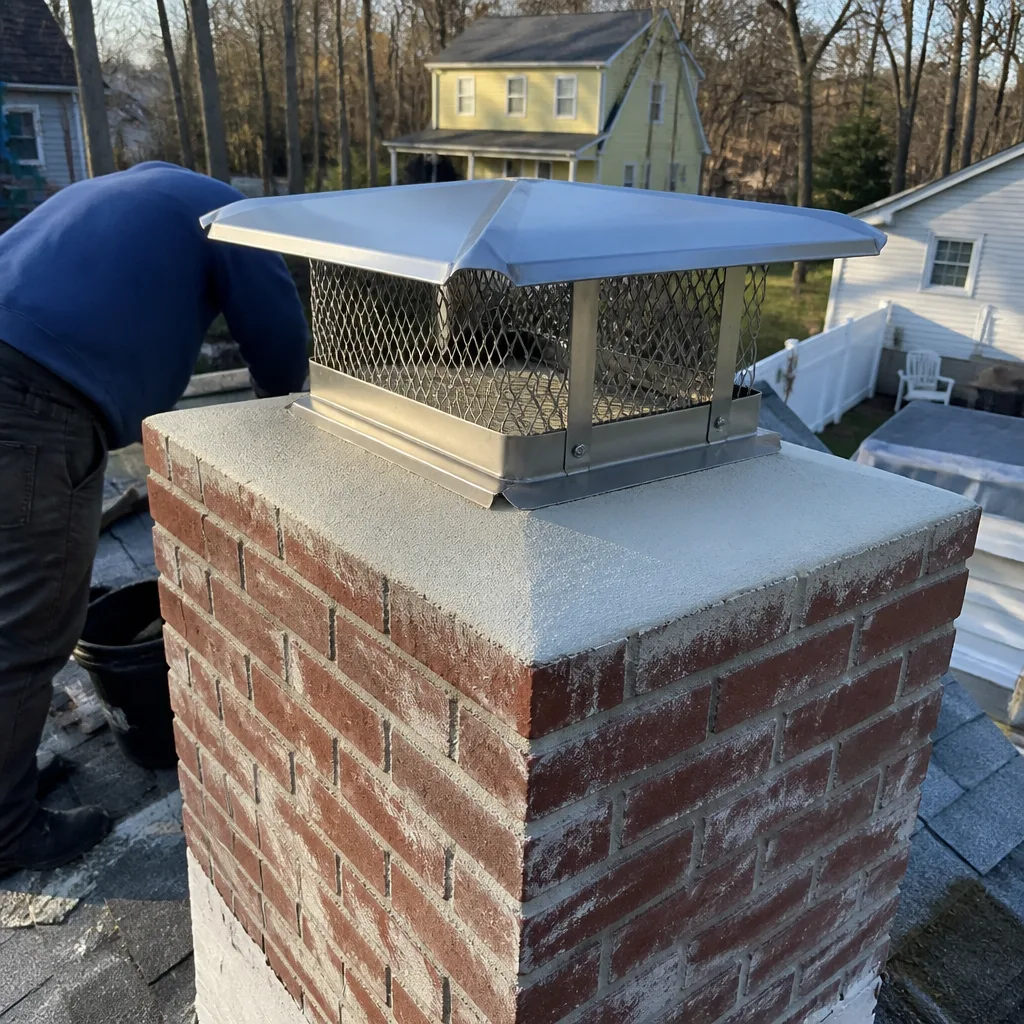 After
After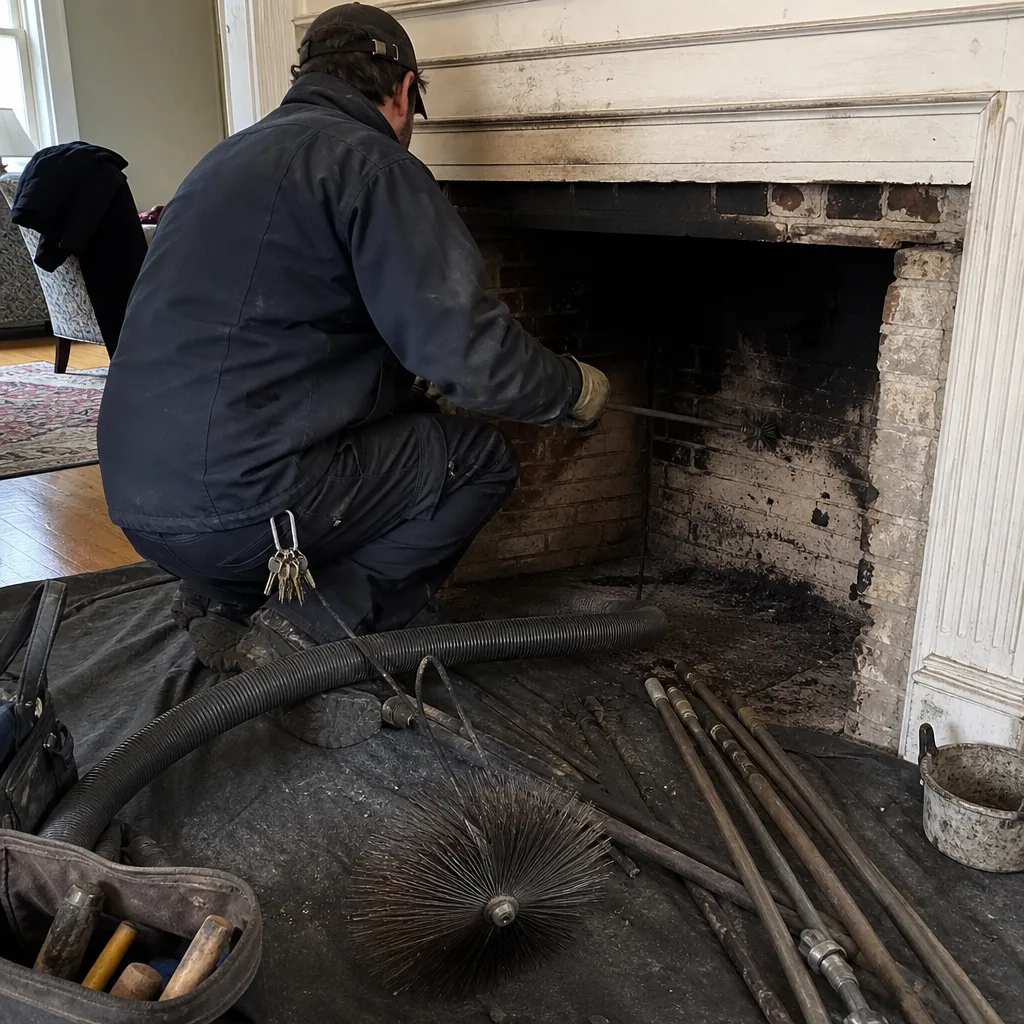 Before
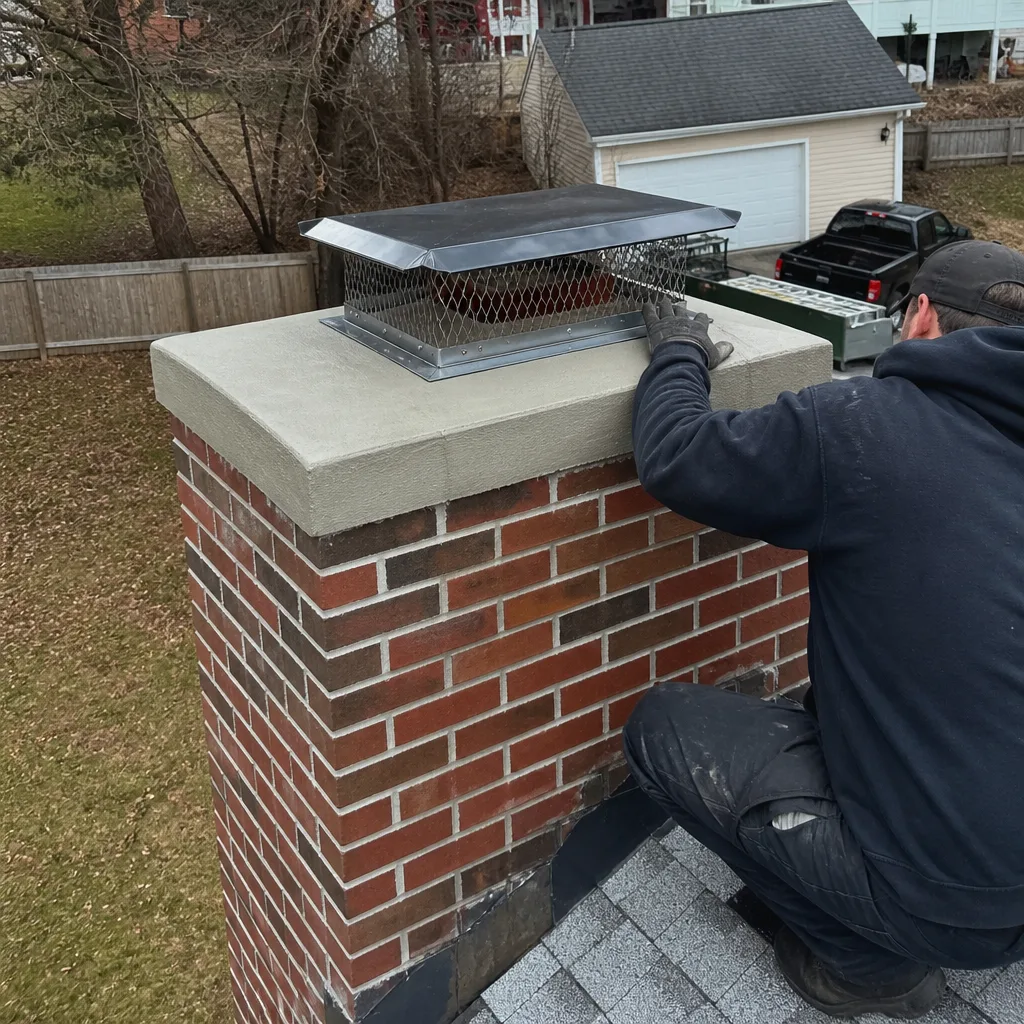 After
AfterThe Complete Guide to Chimney Cleaning in Boston
Boston has more pre-1940 masonry chimneys per square mile than almost any other American city - and most of them were built when coal was the fuel. If your sweep isn’t accounting for that history, they’re cleaning the wrong chimney. In this guide, we’ll walk through what chimney cleaning actually accomplishes in Boston’s unique housing stock, why freeze-thaw cycles along the Massachusetts coast destroy mortar faster than national standards predict, how shared flues in triple-deckers create hidden liability, and what a proper inspection with photo documentation looks like. For seasonal chimney cleaning care for Boston homeowners, timing and local conditions matter as much as the work itself. Whether you own a century-old triple-decker in Dorchester, a Beacon Hill brownstone, or a post-war cape in West Roxbury, you’ll know exactly what to ask for - and what to refuse.
Quick Answer
Professional chimney cleaning in Boston removes combustible creosote buildup from the flue liner, inspects the system for structural damage, and verifies proper draft function - typically costing $199-$349 for a standard sweep with Level 1 inspection. Because Boston’s chimneys were overwhelmingly built for coal and later adapted for oil, gas, or wood, cleaning without a camera inspection often misses the dangerous mismatch between old flue sizing and modern appliance output. A proper job includes a photo report, a plain-English verdict, and written documentation of what was found and what was left alone.
Table of Contents
- Why Boston Chimneys Are Different From the National Standard
- What Chimney Cleaning Actually Removes - and What It Doesn’t
- Level 1 vs. Level 2 vs. Level 3 Inspection: Which Boston Homeowners Need Which
- How Boston’s Freeze-Thaw Cycles Destroy Mortar Faster Than CSIA Timelines
- Shared Flues in Triple-Deckers and Rowhouses: The Liability No One Discusses
- Coal-Era Flue Sizing: The Hidden Danger in Converting to Gas or Wood
- What to Expect During a Professional Chimney Cleaning Service
- Chimney Cleaning Cost in Boston and How Often to Schedule
Why Boston Chimneys Are Different From the National Standard
The Chimney Safety Institute of America publishes standards that apply nationally. Boston violates those standards simply by existing.
Consider the housing stock. In Jamaica Plain, Mission Hill, and South Boston, entire blocks were built between 1870 and 1930 with chimneys designed for coal-fired boilers and furnaces. Coal burns hot and dry, producing minimal creosote but requiring large flue volumes to handle the exhaust. When homeowners later converted to oil, then gas, then added a wood stove or fireplace insert, they often connected modern appliances to flues that are physically too large for proper draft. The result is condensation, incomplete combustion, and accelerated creosote accumulation in patterns that a sweep trained on suburban new construction won’t recognize.
Boston’s coastal climate compounds the problem. The city sits at the confluence of maritime and continental weather systems. Nor’easters drive moisture deep into masonry, then temperatures drop below freezing overnight. That freeze-thaw cycle happens dozens more times per year than in Chicago or Cleveland, yet most national maintenance timelines don’t adjust for it. We’ve seen mortar in South End brownstones deteriorate to the point of spalling brick within eight years of a “clean bill of health” from a national-chain sweep who applied inland standards.
Then there’s the density. Triple-deckers in Dorchester and Mattapan often contain three separate heating systems venting through a single chimney structure. Rowhouses in the North End and Charlestown share party walls with flues that terminate inches apart. These configurations create interdependence that doesn’t exist in detached suburban homes. One owner’s improper liner installation can expose neighbors to carbon monoxide infiltration through degraded mortar joints. A sweep who treats each unit as an isolated system is missing half the hazard.
Finally, Boston’s regulatory environment adds complexity. The city enforces the Massachusetts State Building Code and amendments specific to historic districts. Work in Beacon Hill or Back Bay may require Boston Landmarks Commission review. Permits for chimney rebuilding in these districts specify historically appropriate materials and methods. A sweep unfamiliar with local code can perform work that satisfies the homeowner but fails inspection, forcing costly rework.
We’ve been working on Boston chimneys since 1984. The patterns are consistent enough that we can often predict a chimney’s condition by its neighborhood and construction decade before we set up a ladder.
What Chimney Cleaning Actually Removes - and What It Doesn’t
Chimney cleaning is not a renovation. It is a maintenance procedure with specific, limited objectives that too many homeowners misunderstand.
A professional chimney sweep removes three things from the flue:
- Stage 1 creosote - sooty, dusty, easily brushed away; indicates good combustion
- Stage 2 creosote - crunchy, flaky layers that require more aggressive mechanical removal
- Stage 3 creosote - glossy, tar-like, hardened deposits that may need chemical treatment or rotary cleaning; highly combustible and the primary cause of chimney fires
What cleaning does not remove: cracked flue liners, deteriorated mortar between flue tiles, spalled brick faces, water damage to the chimney crown, or structural settlement. These are repair issues, not cleaning issues. A sweep who finds them should document them, explain them, and recommend appropriate repair - not imply that a more thorough cleaning will solve them.
This distinction matters because Boston homeowners are frequently sold “chimney cleaning” when what they actually need is chimney repair. We’ve inspected chimneys in Roslindale where a previous sweep performed three consecutive “cleanings” over five years, each time noting “heavy creosote” in the invoice, without ever mentioning that the flue liner had a gaping vertical crack allowing exhaust to leak into the chimney wall. The creosote wasn’t the problem. The liner was the problem. The homeowner paid for repeated cleaning of a system that was structurally unsafe to use.
Proper documentation is the only protection against this. After every chimney cleaning and sweep in Boston, we provide dated photos of the flue interior, the smoke chamber, the damper assembly, and the exterior crown and cap. The homeowner sees what we see. There’s no reliance on verbal descriptions or trust in a technician’s judgment. Photos you can see, a plain-English verdict.
Cleaning also does not restore draft performance in a flue that is incorrectly sized for the appliance. This is the Boston-specific issue we’ll address in the coal-era flue section below.
Level 1 vs. Level 2 vs. Level 3 Inspection: Which Boston Homeowners Need Which
The National Fire Protection Association Standard 211 defines three levels of chimney inspection. Most Boston homeowners need Level 1 or Level 2. Level 3 is rare and invasive. Understanding the difference prevents both under-inspection and unnecessary demolition.
Level 1 Inspection
This is the visual examination performed during routine chimney cleaning. The technician inspects readily accessible portions of the chimney exterior, interior, and connecting appliance installation - without specialized tools or demolition. A Level 1 is appropriate when:
- The appliance and flue are unchanged from previous service
- No performance problems are reported
- The chimney is being maintained on regular schedule
In Boston, we perform Level 1 inspections during our $89 Seasonal Tune-Up. For a well-maintained system in a home with consistent usage, this is sufficient annual care.
Level 2 Inspection
This is where Boston’s housing stock demands more. A Level 2 inspection includes everything in Level 1 plus camera examination of the flue interior, inspection of attics, crawl spaces, and basements where the chimney passes through, and assessment of clearances to combustibles. It is required when:
- The property is being sold or transferred
- The appliance or flue liner has been changed
- There has been a chimney fire, earthquake, or other damaging event
- Performance problems suggest hidden deterioration
We recommend Level 2 inspections for every Boston homeowner who has never had one, regardless of how recently they had a “cleaning.” In our experience, roughly 40% of pre-1940 Boston chimneys that passed a Level 1 visual inspection show defects visible only by camera - cracked flue tiles, missing mortar joints, or evidence of previous chimney fires that the current owner never knew occurred.
Our Level 2 camera inspections end with photos the homeowner can see and a plain-English verdict. We use professional-grade camera systems to document every foot of the flue. If we find damage, we explain what it means, what the risk is, and what repair options exist. Nothing is recommended without camera evidence.
Level 3 Inspection
This involves removing building materials - drywall, masonry, chimney crowns - to access concealed portions of the system. It is justified only when a Level 2 inspection reveals a hazard that cannot be fully evaluated without demolition. We encounter Level 3 needs in Boston perhaps twice yearly, typically after a chimney fire has damaged hidden structural components.
The key point: if a sweep recommends Level 3 work, request to see the Level 2 documentation that justifies it. Demolition without prior camera evidence is rarely appropriate.
How Boston’s Freeze-Thaw Cycles Destroy Mortar Faster Than CSIA Timelines
The CSIA recommends annual chimney inspection and cleaning for wood-burning systems, with less frequent service for gas. That timeline assumes moderate climate conditions. Boston does not have moderate climate conditions.
A typical winter in Boston includes 20-30 freeze-thaw cycles - days above 32°F followed by nights below. Each cycle drives moisture deeper into masonry pores. When water freezes, it expands by approximately 9%. That expansion exerts pressure from within the mortar joint or brick face. Repeated cycling causes mortar to crumble, brick faces to spall off, and chimney crowns to crack.
The effect is most severe on chimneys with these Boston-specific characteristics:
- Unlined or partially lined flues - exhaust moisture condenses against cool masonry, saturating the wall
- Failed or missing chimney caps - direct rainfall enters the flue; we’ve removed gallons of standing water from Dorchester chimneys after October nor’easters
- Cement-based crown repairs - improperly mixed or applied cement is more porous than proper crown formulations and traps moisture
- South- and west-facing exposures - daily sun-thaw followed by rapid refreezing creates the most aggressive cycling
In our experience, Boston chimneys need mortar evaluation every 3-4 years, not the 5-7 year interval that suffices inland. We’ve repointed chimneys in East Boston that showed significant joint erosion just three years after previous work, solely due to exposure and cycling frequency.
The repair standard matters too. We use professional-grade materials from Olympia Chimney and Copperfield for crown and cap installations - formulations designed for freeze-thaw resistance, not builder-grade substitutes that degrade in two seasons. A crown is not a cosmetic cap. It is the primary water deflection system, and in Boston, it needs to perform under genuine hydrological stress.
Homeowners can perform one useful check themselves: after a rainstorm, look at the chimney crown from ground level using binoculars. If you see standing water, cracks wider than a pencil line, or missing chunks, water is entering the system. That is not a cleaning issue. It is a repair urgency that will accelerate until addressed.
Shared Flues in Triple-Deckers and Rowhouses: The Liability No One Discusses
Boston’s triple-decker is an architectural signature. It is also a chimney engineering challenge that most sweeps avoid discussing because it complicates the sale.
In a typical Dorchester or Mattapan triple-decker, three separate heating systems - often now three separate water heaters as well - vent into a single chimney structure. The original design assumed one or two coal-fired boilers with large flue volumes. Modern conversions install multiple smaller liners or connect appliances to existing flues without adequate separation.
The problems this creates:
- Improper sizing - a 6″ gas appliance connected to a flue built for 12″ coal exhaust cannot establish proper draft. Exhaust lingers, condenses, and produces carbon monoxide that may leak through degraded mortar into neighboring units
- Cross-contamination - in rowhouses with party-wall chimneys, exhaust from one unit can migrate through shared masonry into an adjacent unit if mortar joints have failed. We’ve documented this in Charlestown and the North End using smoke testing
- Liability ambiguity - when three owners share a chimney structure, responsibility for maintenance is often undefined. One owner’s neglected liner damages the shared structure; all three pay for repair, or nobody does until failure
- Code violations - Massachusetts code requires each appliance to have its own properly sized flue. Many triple-decker conversions violate this, creating uninsurable conditions that surface only after an incident
We address this directly during inspection. If we find a shared flue configuration, we document which appliances connect where, whether proper separation exists, and whether the arrangement meets current code. We do not perform cleaning that masks an underlying code violation. The homeowner needs to know what they have, not just what we can sell them.
For owners of triple-decker units, we recommend:
- Annual Level 2 inspection with camera documentation, even if usage is light
- Written agreement with co-owners regarding chimney maintenance responsibility
- Carbon monoxide detectors on every floor, including basement levels near the chimney base
- Immediate evaluation if you smell exhaust odors when neighbors are running heating systems
We’ve seen too many Boston homeowners discover shared-flue problems only when selling, when a buyer’s inspection reveals code violations that delay or kill the transaction. Earlier knowledge allows planned correction, not emergency negotiation.
Coal-Era Flue Sizing: The Hidden Danger in Converting to Gas or Wood
This is the most frequently missed hazard in Boston chimney work, and it is invisible to standard cleaning.
Coal burns at approximately 3,500°F with very low moisture content. A coal flue was sized large to handle high-temperature, low-volume exhaust with minimal condensation. Modern gas appliances burn at lower temperatures with higher moisture content. Wood stoves and fireplace inserts vary by design but typically require smaller, insulated flues for proper draft.
When a modern appliance is connected to an oversized coal-era flue, the exhaust cools before reaching the top. Cool exhaust moves slowly. Slow exhaust deposits creosote (for wood) or condenses corrosive moisture (for gas) against the flue walls. The appliance may appear to function - it produces heat, it doesn’t backdraft visibly - while silently creating conditions for chimney fire or liner corrosion.
We’ve inspected chimneys in West Roxbury where homeowners installed efficient gas inserts into original coal fireplaces, then experienced “mysterious” moisture stains on interior walls. The stains weren’t plumbing leaks. They were condensed exhaust, acidic enough to damage plaster, leaking through cracked flue tiles that the oversized flue had kept too cool to self-vent properly.
The correct solution is typically a stainless steel liner sized specifically for the appliance, installed with proper insulation to maintain exhaust temperature. We use DuraFlex and HeatShield systems for these applications - materials rated for the temperature and corrosion exposure of modern appliances in old chimneys. A liner is not a generic sleeve. It is an engineered component that must match the appliance’s output, the flue’s height, and the local climate’s effect on draft.
Cleaning an improperly sized flue without addressing the sizing is temporary cosmetic work. The creosote returns. The condensation continues. The hazard grows until failure forces attention.
If your Boston home has a pre-1940 chimney and any appliance installed after 1980, ask your sweep specifically: “Is this flue properly sized for my current appliance, and how do you know?” If the answer is vague, call for a second opinion. We offer free second opinions on any written estimate - no obligation, no pressure, just documentation of what you actually have.
What to Expect During a Professional Chimney Cleaning Service
A proper chimney cleaning follows a sequence that protects your home, documents the system, and leaves you with actionable information. For more guides & resources on maintaining Boston’s aging chimney stock safely, explore our full collection of local homeowner advice. Here is what our technicians do, in order, at every Boston home:
- Pre-service walkthrough - We cover floors and furniture near the work area with drop cloths. We verify appliance type, usage history, and any problems you’ve noticed. We note the chimney’s exterior condition from ground level before setting up ladders.
- Exterior examination - We inspect the chimney crown, cap, flashing, and visible brickwork for deterioration, vegetation growth, or animal intrusion. We photograph damage. In Boston, we pay particular attention to crown condition and flashing integrity at roof penetrations, common failure points in our climate.
- Interior setup and damper inspection - We open the damper, inspect its operation and condition, and check the firebox or appliance connection for creosote accumulation, cracks, or improper clearances.
- Mechanical cleaning - Using professional-grade brushes, rods, and vacuum systems, we remove creosote and debris from the flue. For heavy Stage 3 buildup, we may apply chemical treatment or use rotary cleaning equipment. All debris is contained and removed; we do not leave soot in your home.
- Camera inspection - For Level 2 services, we run a high-resolution camera through the entire flue length, recording video and capturing still images of every joint, crack, or defect. The homeowner may view this footage in real time if present.
- Smoke chamber and firebox cleaning - We clean the area above the damper where many chimney fires originate, and remove ash and debris from the firebox.
- Final documentation - We provide dated photos, a written condition report, and specific recommendations with priority rankings. “Urgent” means do not use until repaired. “Recommended” means plan within the season. “Monitor” means note for next inspection.
- Cleanup and review - We remove all protective coverings, vacuum the work area, and review findings with you before presenting the invoice. The number on the estimate is the number on the invoice. No surprises.
Most jobs are completed in a single visit. Our technicians are background-checked, uniformed, and trained to work in Boston’s tight spaces and historic properties without damage to period details. We’ve learned to navigate Beacon Hill’s narrow staircases and Dorchester’s finished basements with equal care.
Chimney Cleaning Cost in Boston and How Often to Schedule
Pricing for chimney cleaning in Boston varies by service level, accessibility, and system complexity. The table below reflects our current pricing for typical Boston configurations:
| Service | Price Range | What’s Included |
|---|---|---|
| Seasonal Tune-Up (Level 1) | $89 | Standard sweep, visual inspection, basic safety check |
| Standard Cleaning with Level 1 Inspection | $199-$249 | Full mechanical cleaning, damper check, exterior assessment, written report |
| Level 2 Camera Inspection with Cleaning | $279-$349 | Everything in Level 1 plus full camera documentation, attic/crawl space check, photo report |
| Heavy Creosote Removal (Stage 3) | Add $75-$150 | Chemical treatment and/or rotary cleaning for glazed deposits |
| Multi-Flue Properties (triple-deckers, etc.) | Quote per configuration | Individual assessment of each flue and shared structure |
Our standing offers include $50 off any repair over $250, a free second opinion on any written estimate, and a permanent 5% senior and veteran discount. No-hassle upfront pricing means we agree on the scope and price before work begins.
Frequency recommendations for Boston specifically:
- Wood-burning fireplaces and stoves - Annual cleaning after roughly one cord of wood burned; more frequently with softwoods or unseasoned fuel
- Gas fireplaces and inserts - Every 2-3 years for inspection, though annual is prudent in older systems with original liners
- Oil heating systems - Annual service by your HVAC technician includes flue inspection; separate chimney cleaning every 2-3 years unless soot accumulation is noted
- Unused chimneys - Inspection every 2-3 years for water damage and structural deterioration, even if not actively venting
The Boston-specific adjustment: if your chimney lacks a cap, has visible crown damage, or is on a south-facing exposure, add one year to the frequency. Freeze-thaw cycling accelerates all forms of deterioration, and early detection prevents the costly rebuilds we perform in chimney repair in Boston.
Common Mistakes to Avoid
- Hiring based on lowest price alone - A $99 sweep that misses a cracked liner costs thousands more than a $249 service that catches it. In Boston’s housing stock, thoroughness pays for itself.
- Accepting verbal reports without photos - If you cannot see what the sweep found, you cannot verify it, compare opinions, or make informed decisions. Demand documentation.
- Ignoring the chimney cap - Missing or damaged caps are the single most common cause of accelerated deterioration in Boston. Water entry destroys from the top down, and repair is cheaper than rebuild.
- Assuming gas systems need no attention - Gas produces corrosive condensation, especially in oversized flues. “I burn gas, so I’m fine” is a dangerous assumption in coal-era housing.
- Skipping inspection when buying a home - Boston’s competitive real estate market pressures buyers to waive inspections. A Level 2 chimney inspection with camera documentation takes two hours and can reveal $10,000+ in hidden repair needs.
- DIY cleaning without understanding the system - Brushing from below without proper containment spreads soot through the home. More critically, DIY cleaning does not include the structural and draft assessment that identifies real hazards.
- Delaying repair of “minor” mortar damage - In Boston’s climate, a small crown crack becomes a spalled brick face in two winters, then a partial rebuild in five. Early repointing and crown repair are maintenance; delay makes it reconstruction.
When to Call a Professional
Call for immediate evaluation if you notice any of the following: visible creosote flakes falling into the firebox, smoke entering the room during normal operation, a strong odor of asphalt or tar from the chimney, white staining on exterior brick (efflorescence indicating water saturation), or any change in draft performance after weather events. These are not cleaning delays; they are system warnings.
Schedule proactive service before burning season begins - typically September in Boston - when appointment availability is better and any needed repairs can be completed before first frost. Emergency calls in January cost more in every sense: premium scheduling, limited contractor availability, and the stress of heating system downtime during cold weather.
Hearthstone Chimney Co. offers free estimates in Boston. A technician will assess your system, explain what you have, and provide written pricing for any recommended work. Call (857) 597-5950 to schedule. Phones are answered by a live person 24 hours a day, 7 days a week - not a voicemail, not a callback queue.
Frequently Asked Questions
A standard chimney cleaning with Level 1 inspection in Boston typically costs $199-$249, while a Level 2 service with camera documentation runs $279-$349. Heavy creosote removal, multi-flue configurations, or difficult roof access may add to the base price. We provide upfront pricing before any work begins, and our $89 Seasonal Tune-Up offers basic service for well-maintained systems. Call (857) 597-5950 for an exact quote - estimates are free.
You need a new liner if your existing liner is cracked, improperly sized for your current appliance, or missing entirely - conditions we verify with camera inspection, not guesswork. In Boston’s pre-1940 housing stock, original clay tile liners often fail at mortar joints or develop vertical cracks from thermal cycling. A properly sized stainless steel liner from DuraFlex or HeatShield restores safe venting and proper draft. We do not recommend liner replacement without photo evidence you can see yourself, and we will tell you plainly when existing conditions allow safe continued use.
Wood-burning systems need annual cleaning after approximately one cord of burned wood. Gas systems should be inspected every 2-3 years, though annual inspection is prudent in older homes with original liners. Boston’s freeze-thaw climate and coastal moisture justify more frequent structural inspection than national standards suggest - we recommend at least visual assessment of the exterior every two years, even for unused chimneys. Call (857) 597-5950 to discuss your specific usage and system age.
Skipped cleaning allows creosote accumulation that increases chimney fire risk, potentially reaching temperatures that crack liners and damage surrounding structure. In Boston specifically, skipped inspection also means undetected freeze-thaw damage, liner deterioration, and draft problems from coal-era flue sizing. The consequences range from minor - inefficient heating, odor complaints - to severe: house fire, carbon monoxide exposure, or structural collapse of degraded masonry. These are not hypothetical; we document the aftermath of neglected systems every winter.
You can remove superficial soot from a firebox or install a new chimney cap if comfortable on a roof, but we do not recommend DIY flue cleaning for several reasons. Proper containment requires industrial vacuums and protective equipment most homeowners lack. More critically, DIY cleaning does not include the camera inspection and structural assessment that identify actual hazards. In Boston’s aging housing stock, the danger is rarely the creosote you can see - it’s the cracked liner, deteriorated mortar, or improper sizing that a professional evaluation reveals. For safety-critical systems, trained assessment is the prudent choice.
Chimney sweeping is the mechanical removal of creosote and debris from the flue. Chimney inspection is the systematic evaluation of the system’s condition, including structure, liner, draft performance, and clearances. They are often performed together but are distinct services. A sweep without inspection cleans the surface without assessing what lies beneath. An inspection without cleaning may be appropriate for unused systems or real estate transactions. In Boston’s housing stock, we recommend the combined service - clean what needs cleaning, document what needs attention.
Massachusetts does not issue a specific chimney sweep license, but reputable companies carry general liability insurance, workers’ compensation, and often hold CSIA (Chimney Safety Institute of America) certification for individual technicians. Hearthstone Chimney Co. is fully insured, our technicians are background-checked and uniformed, and we document every job with photos and written reports. When evaluating any sweep, ask for proof of insurance and request references from recent Boston-area work - a legitimate professional provides both without hesitation.
The Bottom Line
Boston’s chimneys demand Boston-specific knowledge. The national standard of annual cleaning and generic inspection fails here because it does not account for coal-era flue sizing, freeze-thaw destruction rates, or the shared-flue complexities of triple-decker and rowhouse construction. A proper chimney service in this city includes camera documentation, climate-adjusted assessment, and plain-English reporting that lets you make informed decisions about your home.
We’ve been doing this work for over 42 years. We’ve seen what happens when chimneys are maintained properly - and when they’re not. The difference is not luck. It is documentation, diligence, and doing the thing correctly the first time. Done right, and we stand behind it. In writing, no arguing.
Written by Russell Haines, Owner at Hearthstone Chimney Co., serving Boston since 2014.