
Last updated September 10, 2026
Level 1 sweep and inspection to the NFPA 211 annual standard - flue, crown, cap, and flashing checked and photographed
Chimney sweep logs do not sweep chimneys. They loosen some creosote - which then falls where a brush and vacuum still have to collect it.
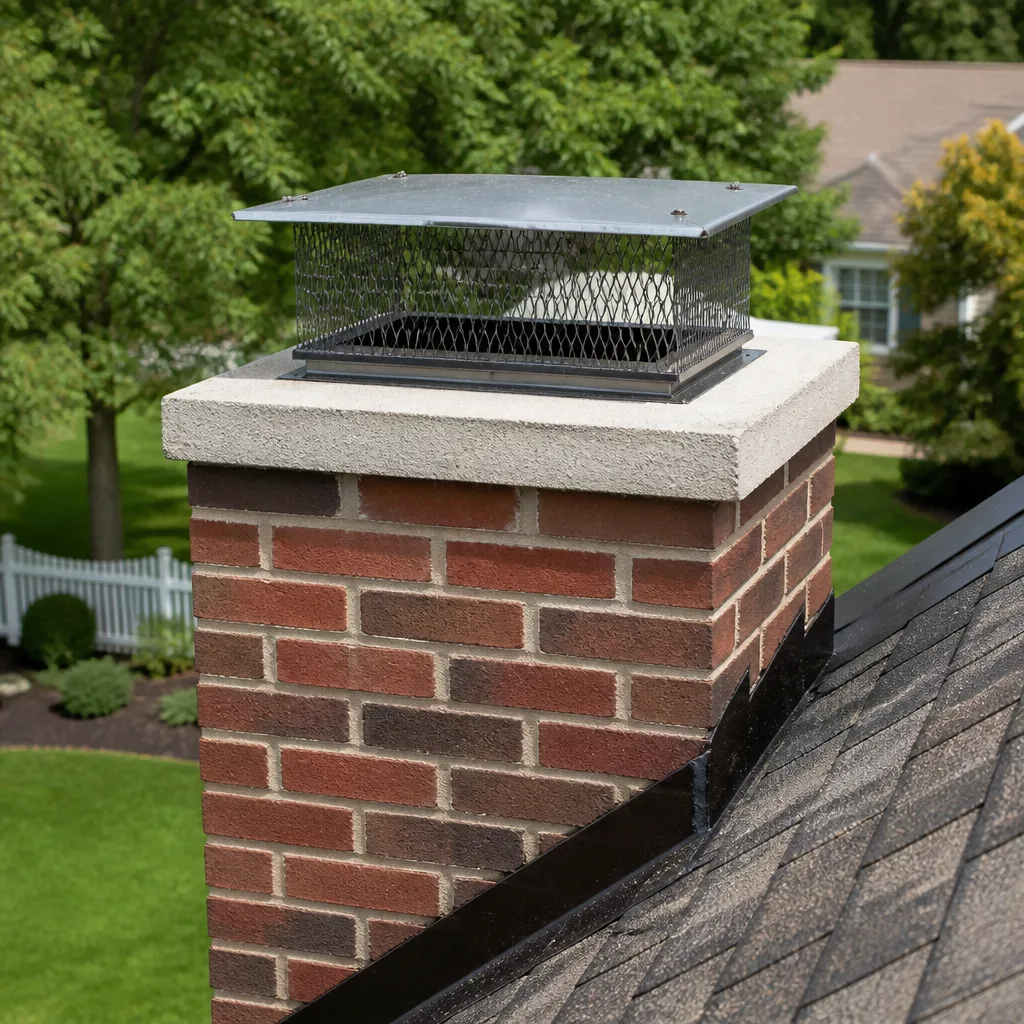
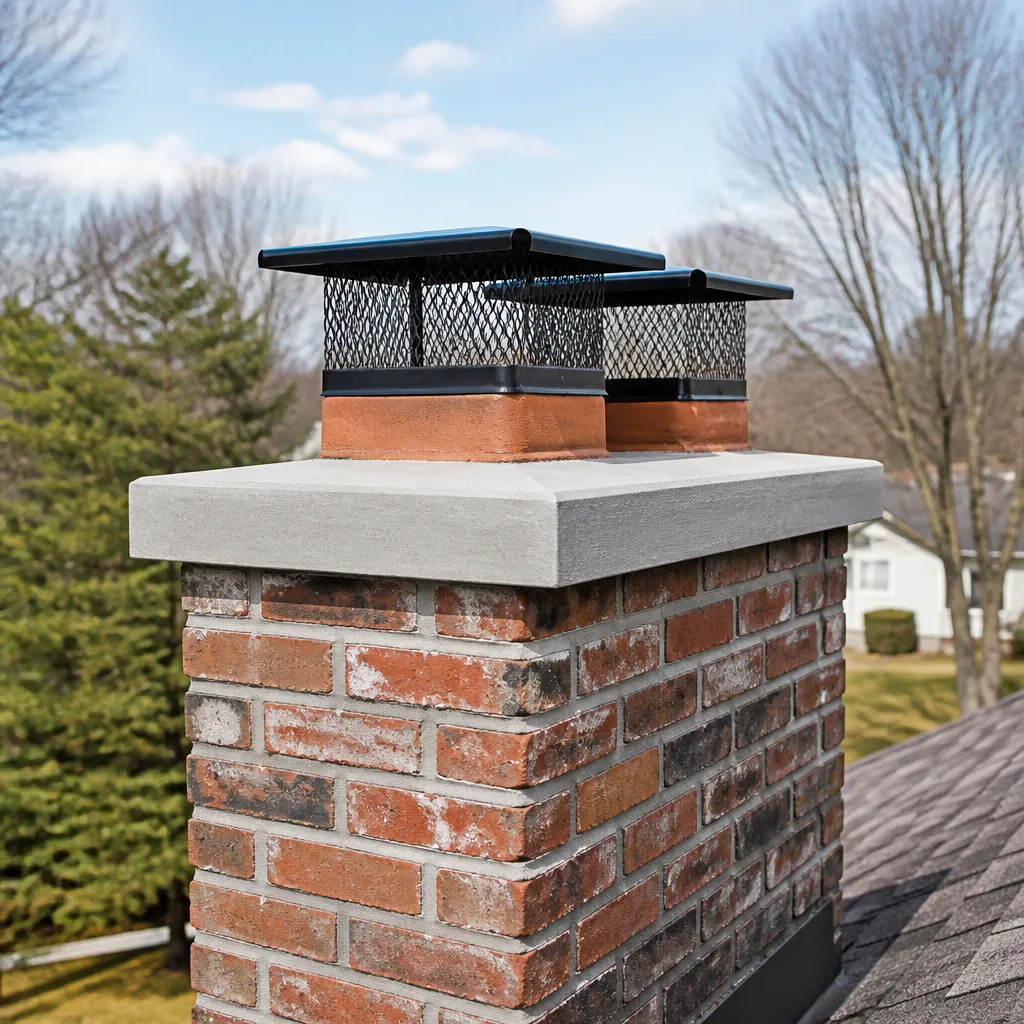
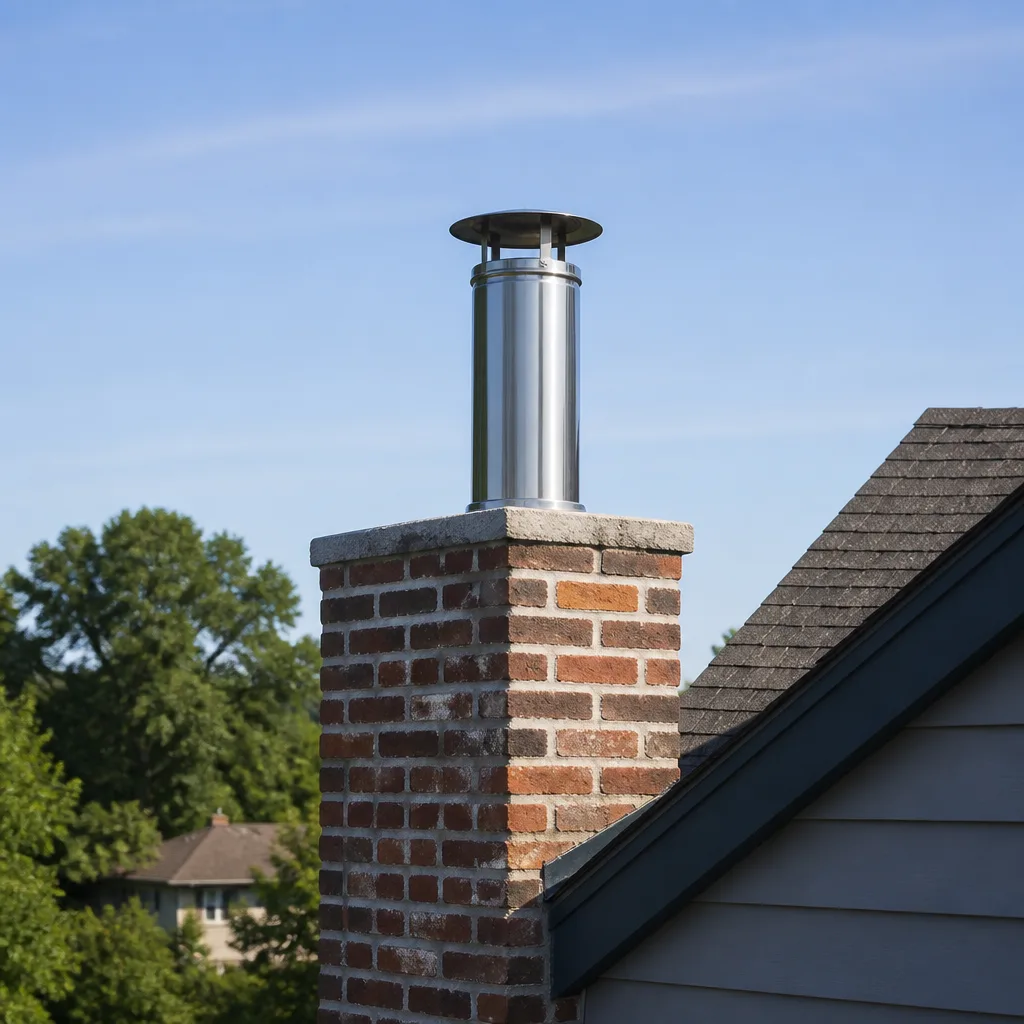
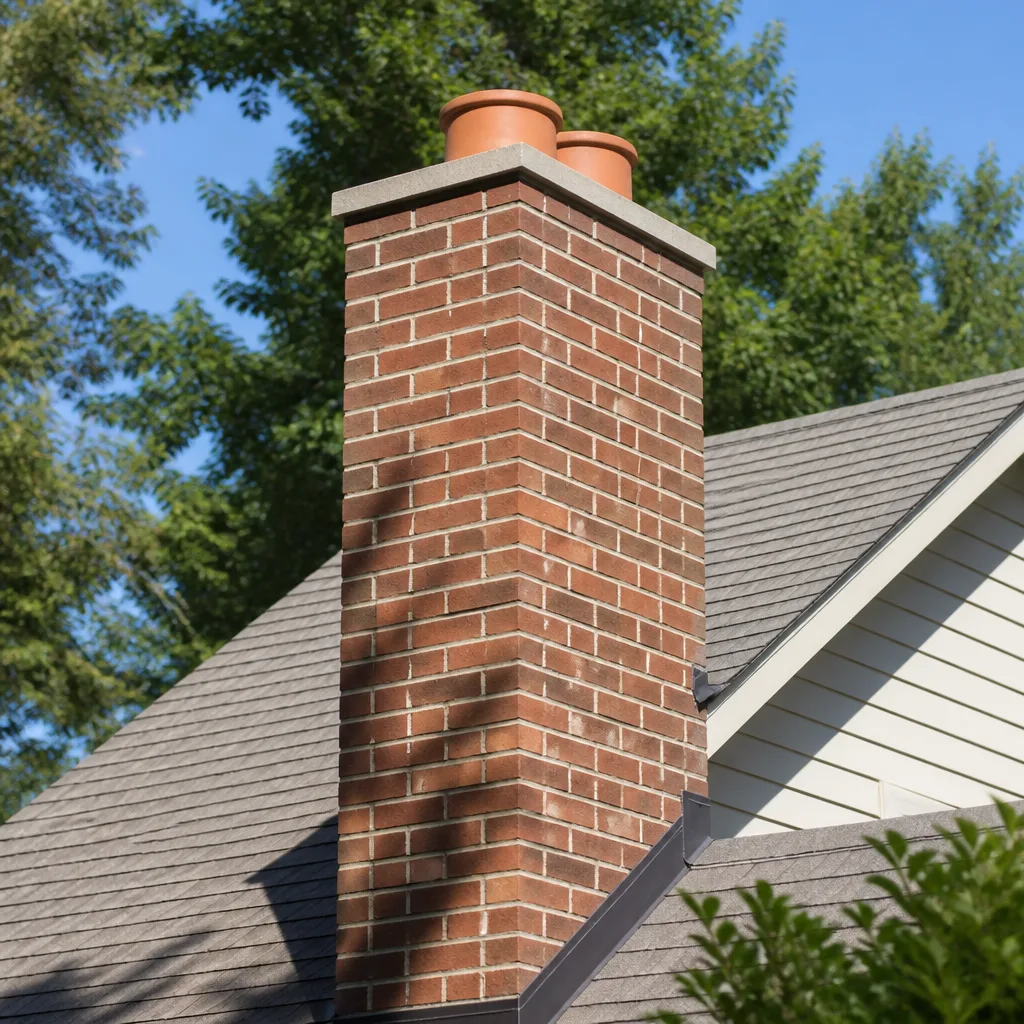
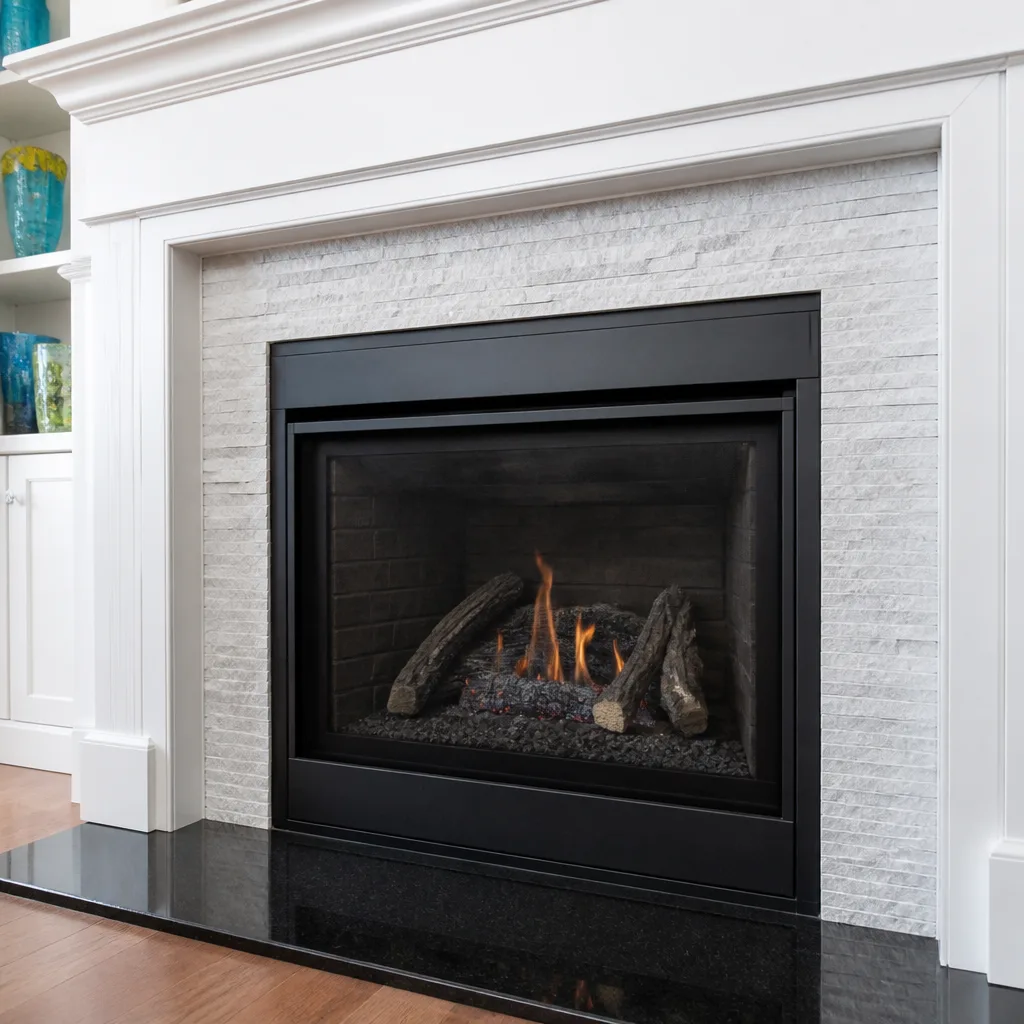
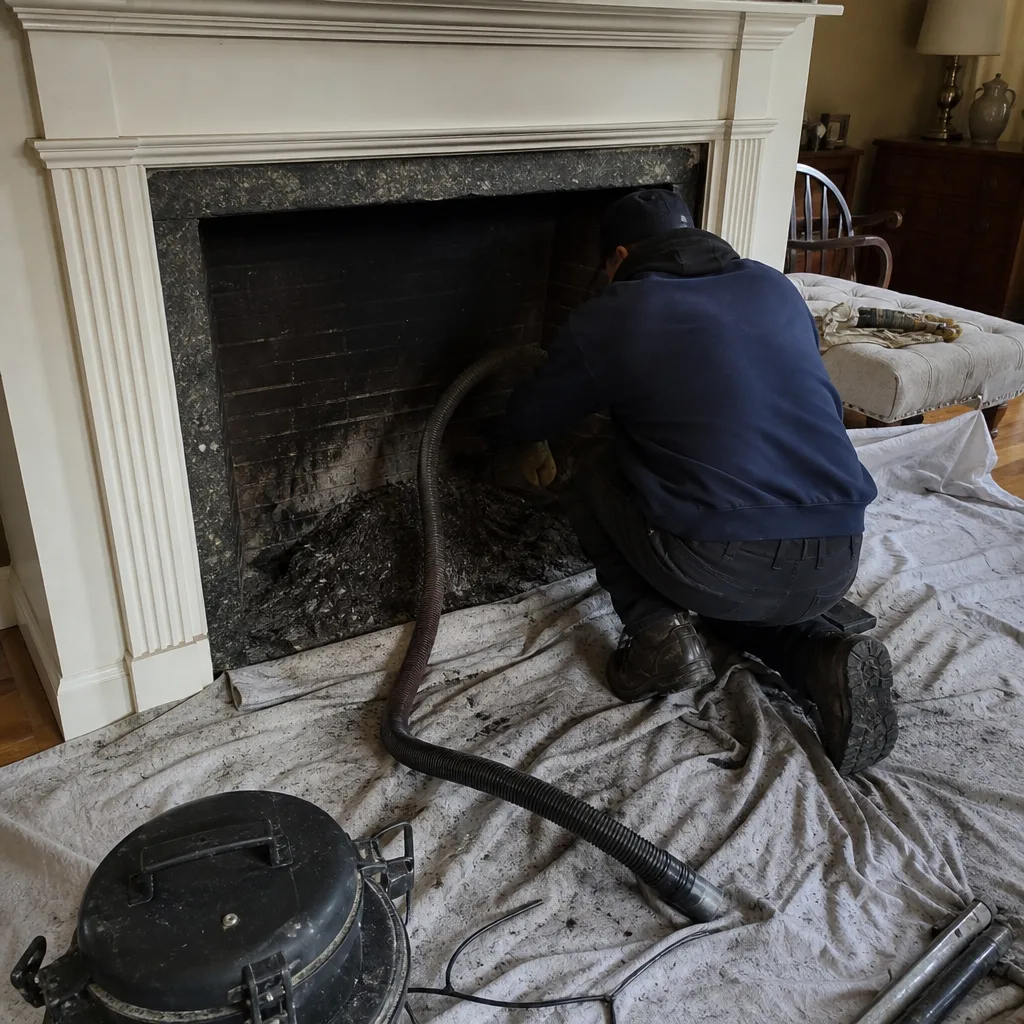 Before
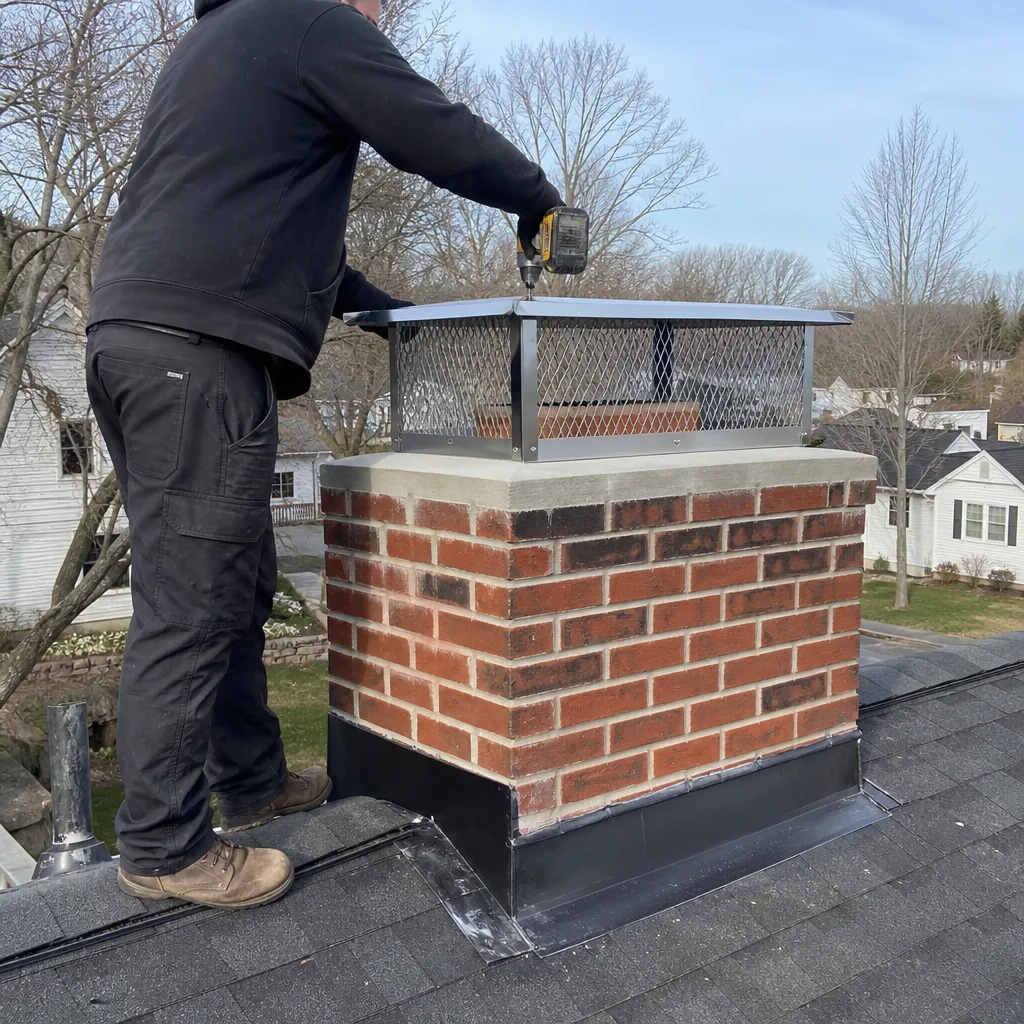 After
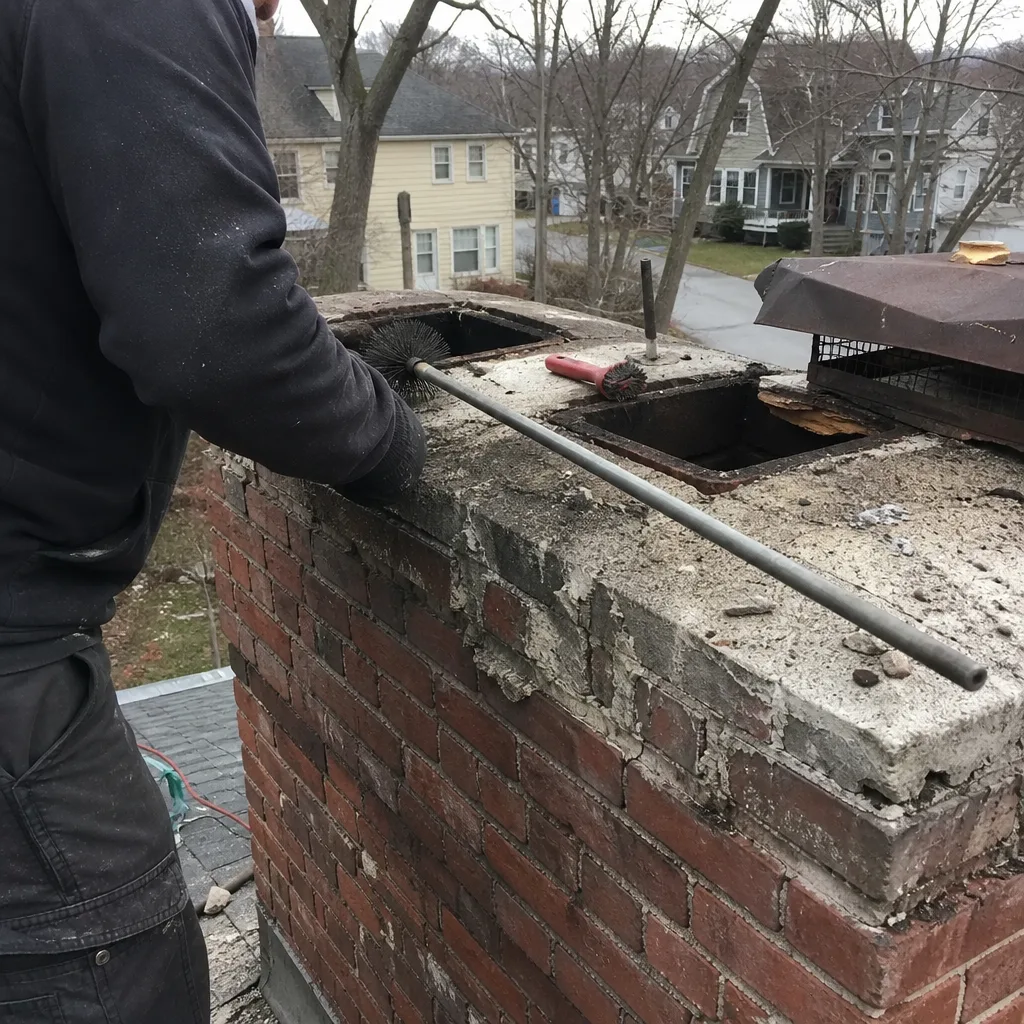 Before
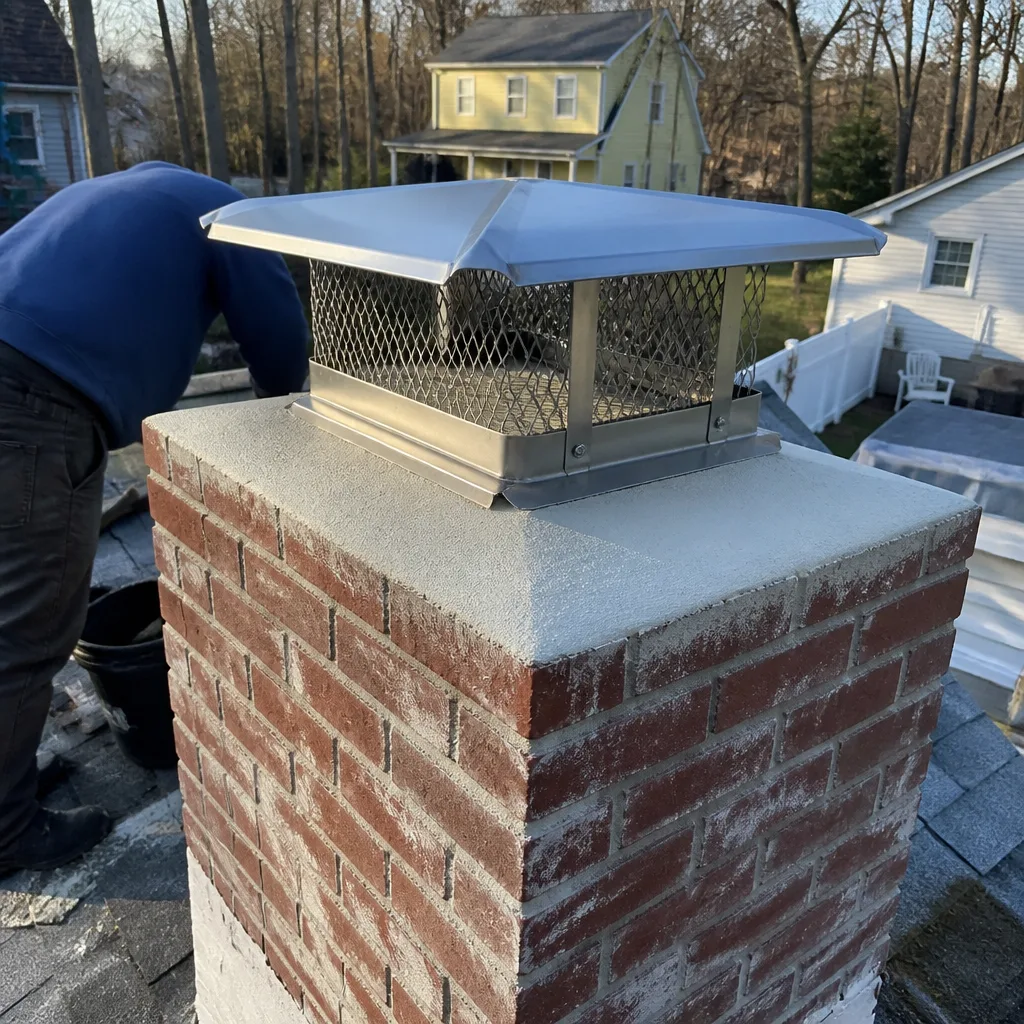 After
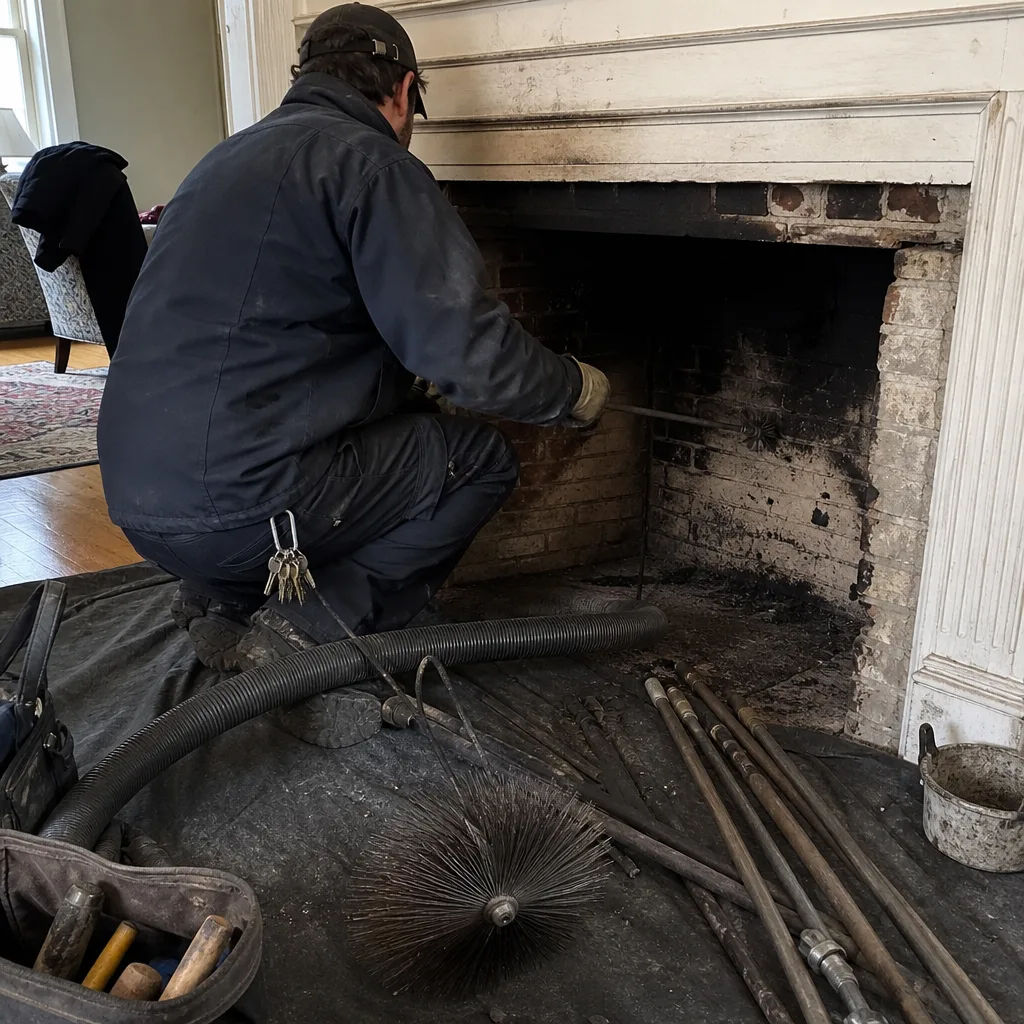 Before
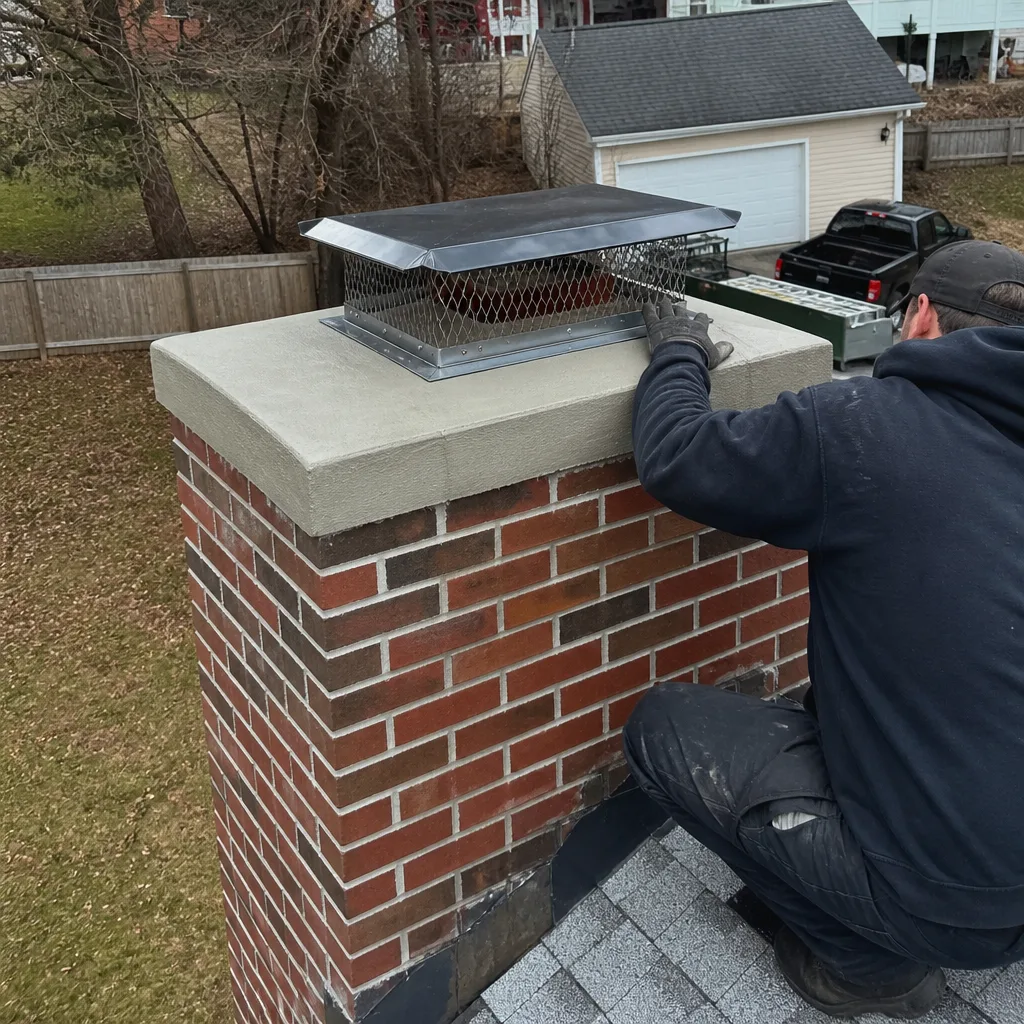 After
How to Hire a Chimney Cleaning Contractor in Boston: A Step-by-Step Guide
Massachusetts does not require chimney sweeps to hold a state license. Any person with a brush and a van can legally clean your chimney in Boston today - which makes knowing how to vet them the only protection you have. In our 42 years serving this city, we’ve seen homeowners in Jamaica Plain, South Boston, and Dorchester pay for “cleanings” that left dangerous creosote buildup, and we’ve rebuilt fireboxes after uninsured contractors disappeared mid-job. This guide gives you the exact interview, in order, to separate a craftsman from a liability before you hand over your keys, and you can find more guides & resources on our blog.
Quick Answer
To hire a chimney cleaning contractor in Boston, verify active CSIA or NFI certification, confirm current general liability and workers’ compensation insurance with the carrier directly, demand written upfront pricing with line-item detail, require photo documentation of any recommended repairs, and get a written guarantee backed by a company with a local track record. In an unregulated state, these five steps are your only safeguard.
Table of Contents
- Why Massachusetts Has No Chimney Sweep License
- The Five Questions to Ask Before Booking
- Certifications That Matter vs. Memberships That Don’t
- How to Read a Chimney Cleaning Quote in Boston
- Verifying Insurance the Right Way
- Written Guarantees and Photo Documentation
- Red Flags That Should Make You Hang Up
- Common Mistakes to Avoid
- When to Call a Professional
- Frequently Asked Questions
- The Bottom Line
Why Massachusetts Has No Chimney Sweep License
Massachusetts licenses plumbers, electricians, and gasfitters. Chimney sweeps are not on that list. The state leaves the trade entirely to local oversight, and in Boston, that means no city-level licensing either. A contractor can buy a brush set online, print business cards, and knock on doors in Beacon Hill or Roslindale the same afternoon.
This matters because chimney work carries real risk. A damaged flue liner can vent carbon monoxide into living spaces. Improperly cleaned glazed creosote - the hard, shiny buildup common in Boston’s older masonry chimneys after cold snaps - ignites at lower temperatures and burns hotter than ordinary soot. A worker without workers’ compensation who falls from your roof becomes your homeowner’s insurance problem.
The absence of regulation also means no continuing education requirement, no code compliance enforcement, and no recourse through a state board if the job goes wrong. Your protection is entirely in the questions you ask before booking.
Boston’s housing stock amplifies the risk. Many homes in Back Bay, the North End, and Dorchester date to the 1800s and early 1900s. Their chimneys were built for coal or oil and later adapted for wood-burning inserts or gas logs without proper liner sizing. A sweep who treats every flue the same - who doesn’t understand unlined masonry, parged smoke chambers, or the thermal expansion differences between Boston’s freeze-thaw cycles - can miss conditions that threaten the structure and the occupants.
We’ve inspected chimneys in Mattapan where previous “cleanings” compressed soot into flammable glaze rather than removing it. We’ve found cracked terra cotta liners in West Roxbury that went unreported because the sweep never ran a camera. The homeowners paid for a false sense of security.
The point is not to alarm. It is to be plain: in an unregulated trade, your due diligence is the regulation.
The Five Questions to Ask Before Booking
These questions, in this order, will eliminate most unqualified operators before they reach your doorstep. Write them down. Ask them on the phone. A legitimate contractor will answer without hesitation.
- “Are you CSIA-certified, and can I verify your certification number?” The Chimney Safety Institute of America maintains a public directory at csia.org. A certified sweep provides their number willingly. If they cite a “membership” instead - the National Chimney Sweep Guild, for instance, which anyone can join for an annual fee - that is not the same thing. Memberships display logos. Certifications require passing exams and continuing education.
- “Will you provide a certificate of insurance naming me as additional insured, and can I call your carrier to confirm it’s current?” Do not accept a PDF emailed from the contractor. Call the insurance company directly using a number you find independently. Policies lapse. We’ve seen certificates dated 2019 presented as proof of current coverage. General liability should be at least $1 million. Workers’ compensation is non-negotiable if workers will be on your roof or ladder.
- “What does your inspection include, and will I receive photos?” A Level-1 inspection - visual, from accessible areas - is standard for annual maintenance. A Level-2 inspection, with a camera scan of the flue interior, is required for real estate transactions, after chimney fires, or when changing appliance type. In Boston’s older housing, we recommend Level-2 for any first visit. The photos are your evidence. Without them, a contractor can describe any condition they choose and you have no way to verify.
- “Will I receive written pricing before work begins, and does it include all fees?” The answer must be yes, with specificity. “We’ll figure it out when we get there” means you will pay more than you expect. Ask about trip charges, equipment fees, and disposal costs. In Boston, parking and access complications in dense neighborhoods like the North End or South End can trigger surcharges from less scrupulous operators. Get it in writing.
- “What guarantee covers your work, and is it in writing?” Verbal promises dissolve the moment the truck leaves your driveway. A written guarantee with clear terms - what it covers, for how long, and how to invoke it - separates professionals from fly-by-night operators. At Hearthstone Chimney Co. home, we back every job with our 90-Day Done Right Promise in writing. If it’s not right, we make it right. No paperwork, no arguing.
Any contractor who deflects, rushes, or suggests these questions are unreasonable has already told you what you need to know.
Certifications That Matter vs. Memberships That Don’t
The chimney industry has two legitimate competency certifications and a host of paid memberships that sound authoritative but prove nothing about skill.
CSIA Certified Chimney Sweep is the baseline credential. Administered by the Chimney Safety Institute of America, it requires passing a comprehensive exam covering NFPA 211 standards, building codes, fire science, and inspection protocols. Certification lasts three years, with continuing education required for renewal. A CSIA-certified sweep has demonstrated knowledge of creosote formation, flue gas dynamics, and the structural failure modes common in masonry construction. You can verify any claimed certification at csia.org/search.
NFI Certified - National Fireplace Institute - focuses on hearth appliance installation: wood stoves, gas inserts, pellet systems. If your Boston home has a factory-built fireplace or you’re considering a stove installation, NFI certification matters. The exam is rigorous, and holders must recertify periodically.
Now the memberships that sound like certifications but aren’t:
- National Chimney Sweep Guild (NCSG): A trade association. Annual dues, no exam. Valuable for contractors as a networking and advocacy organization. Meaningless as a credential for homeowners evaluating competence.
- Local business associations: Boston Chamber of Commerce, neighborhood merchant groups - fine for community standing, irrelevant to technical ability.
- “Factory-trained” or “authorized dealer” badges: These mean a contractor sells a particular brand. They do not mean the technician passed an independent competency exam.
We’ve encountered contractors in Boston who display six membership logos on their website and hold zero certifications. The logos impress at a glance. The five questions above reveal the truth.
One additional note: Massachusetts does require a Home Improvement Contractor (HIC) registration for jobs over $1,000. This is not a competency test - it is a consumer protection registration with the Office of Consumer Affairs and Business Regulation. You can verify HIC registration at mass.gov. Any contractor performing substantial chimney repair work in Boston should carry it. Sweeping alone, typically under $1,000, falls outside this requirement, which returns us to the central problem: for the most common service, there is no state gatekeeper at all.
How to Read a Chimney Cleaning Quote in Boston
Chimney cleaning quotes in Boston vary widely - not because the work is mysterious, but because the scope and honesty of the bidder vary (see our Chimney Cleaning Cost Breakdown: The Boston Homeowner’s Reference for 2026 for detailed pricing). Understanding what belongs on a legitimate quote protects you from both overcharging and dangerous corner-cutting.
Standard chimney sweeping and Level-1 inspection in Boston: $175-$325
Level-2 inspection with camera scan: $250-$450
Wood stove insert or pellet stove cleaning: $225-$375
These ranges reflect Boston’s cost of living, parking and travel complications, and the age of housing stock. A quote at $99 is not a bargain. It is a loss leader to sell you something else in your living room, or it is a rush job that misses critical conditions.
A legitimate quote should include:
- Line-item description of services (sweeping, inspection level, number of flues)
- Equipment access notes (roof access, interior access requirements)
- Disposal method for creosote and debris
- Written estimate total, with explicit statement that additional work requires separate approval
- Payment terms and timing
Be alert for these upsell red flags embedded in initial quotes:
- Vague “inspection fees” separate from sweeping: A cleaning should include basic inspection. Charging separately for looking at what you’re already paying to clean is double-dipping.
- “Recommended” liner replacement without camera evidence: In Boston’s older homes, some liners are genuinely failing. Many are not. A contractor who recommends liner work without showing you photos of the damage is selling, not diagnosing. We use DuraFlex and HeatShield liners when replacement is warranted - but only after the homeowner sees the condition themselves.
- Pressure to decide immediately: “I can do it today for this price” is a tactic, not a service. A craftsman has tomorrow’s schedule too.
- Missing permit discussion: Certain repairs in Boston require permits, particularly structural rebuilds or liner installations affecting appliance venting. A quote that ignores permitting is planning to ignore code.
At Chimney Cleaning & Sweep in Boston, we provide no-hassle upfront pricing. The number on the estimate is the number on the invoice. We’ve been burned by contractors ourselves. We don’t operate that way.
Verifying Insurance the Right Way
Insurance verification is where most homeowners stop short. They ask if a contractor is insured, receive an affirmative grunt, and consider the matter closed. In an unregulated trade, this is negligence.
Here’s the correct process:
- Request a certificate of insurance (COI) naming you as certificate holder. This ensures you receive notice if the policy is cancelled.
- Call the insurance company using a number from their website, not from the contractor’s materials. Confirm the policy is active, the coverage amounts, and the expiration date.
- Verify both general liability and workers’ compensation. General liability covers damage to your property. Workers’ compensation covers injuries to workers. In Massachusetts, workers’ comp is required for any business with employees, but sole proprietors can opt out. If an uninsured worker falls from your roof in Roslindale, your homeowner’s policy becomes the primary coverage. Your rates rise. Your deductible applies.
- Check that coverage matches the work. A handyman’s policy may exclude chimney-specific work. The carrier will confirm.
We’ve seen contractors present certificates from carriers who later confirmed the policy excluded “work above 15 feet” - which describes most chimney access. The certificate looked valid. The coverage was useless.
The ten minutes spent on verification can save years of litigation. Do not skip this step.
Written Guarantees and Photo Documentation
A chimney cleaning without documentation is a handshake in the dark. You cannot verify what was done, what was found, or what was recommended. The contractor has complete information asymmetry, and in an unregulated market, that asymmetry gets exploited.
Photo documentation should include:
- Before and after images of the flue interior
- Close-ups of any cracks, gaps, or deterioration
- Condition of the smoke chamber and firebox
- Crown, cap, and exterior masonry where accessible
These photos are not for the contractor’s records. They are for your evaluation and for any second opinion you choose to seek. At Hearthstone, our Level-2 inspections end with photos the homeowner can see and a plain-English verdict - documented like an engineer, explained like a craftsman. If we recommend Chimney Repair in Boston, you will see exactly why.
Written guarantees should specify:
- What is covered (workmanship, materials, or both)
- Duration of coverage
- Process for invoking the guarantee
- Whether the guarantee transfers to subsequent homeowners
Our 90-Day Done Right Promise covers workmanship and materials for ninety days from completion. If it’s not right, we make it right. In writing, no arguing. We’ve honored it on jobs where we missed a detail, where a material failed unexpectedly, where we simply could have done better. The promise is not marketing. It is how we know we did the job correctly - because we put our return visit on the line.
A contractor who will not guarantee work in writing is telling you they do not expect to see you again.
Red Flags That Should Make You Hang Up
Some signals are definitive. When you encounter these, end the call and continue your search.
- “We don’t need to come inside”: A proper cleaning requires access to the firebox, damper, and sometimes the attic or basement for complete flue evaluation. Exterior-only “cleaning” is theater.
- No physical business address: A PO box or residential address with no signage suggests transient operation. In Boston, established contractors maintain visible locations with inventory, equipment storage, and staff.
- Cash-only, no receipt: This avoids sales tax and eliminates your paper trail for disputes. It also suggests unreported income and no accountability.
- High-pressure tactics about “dangerous” conditions: Carbon monoxide and chimney fire risks are real. They are also measurable and documentable. A contractor who describes imminent catastrophe without showing you evidence is selling fear.
- Refusal to provide references from recent Boston-area jobs: A local track record should be demonstrable. We can point to specific streets, specific conditions, specific solutions - because we’ve been here since 1984.
- “Everyone needs a liner”: They do not. Unlined masonry chimneys in Boston’s older housing sometimes require stainless steel or relining with HeatShield. Often they do not. The determination requires inspection, not assumption.
Common Mistakes to Avoid
- Hiring based on lowest price alone: In Boston’s market, a $99 sweep is a marketing funnel, not a service. The contractor will find $2,400 of “necessary” repairs in your living room, or they will perform a superficial cleaning that misses dangerous buildup. Fair pricing reflects proper time, equipment, and insurance. It is not the cheapest number.
- Assuming all sweeps are roughly the same: They are not. The difference between a CSIA-certified technician with camera equipment and a person with a wire brush is the difference between diagnosis and guesswork. In Back Bay brownstones with multiple flues serving historic fireplaces, that difference matters enormously.
- Neglecting to ask about Boston-specific conditions: Our freeze-thaw cycles damage crowns and mortar joints. Our older housing stock includes unlined chimneys, abandoned flues, and improper sizing from fuel conversions. A sweep who treats a 1900 Dorchester triple-decker like a suburban new build will miss critical conditions.
- Accepting verbal estimates: Massachusetts consumer protection law provides certain safeguards for written contracts over $1,000. Below that threshold, your protection is the paper you demand. Get every promise, every price, every scope description in writing.
- Waiting until burning season to schedule: Boston’s best sweeps book solid by October. Scheduling in September or earlier ensures you have time for any needed repairs before first frost. It also gives you leverage - you are not desperate, and you can walk away from pressure.
- Failing to verify HIC registration for repair work: While sweeping falls below the $1,000 threshold, many “cleanings” evolve into recommended repairs that do not. Any contractor performing substantial masonry, liner, or rebuild work in Boston should carry Massachusetts HIC registration. Verify at mass.gov.
- Ignoring your own observations: Smoke backing up into the room, a strong odor on humid days, visible staining on exterior masonry - these are symptoms, not quirks. Mention them specifically when calling. A qualified contractor will ask follow-up questions. An unqualified one will ignore them.
When to Call a Professional
Annual sweeping before burning season is standard maintenance for any wood-burning fireplace or stove in Boston; for year-round guidance, see our Seasonal Chimney Cleaning Care for Boston: Year-Round Homeowner’s Guide. Gas fireplaces require less frequent service but still need inspection of valves, logs, and venting. Call immediately if you notice smoke infiltration, a persistent sulfur or creosote odor, visible cracks in the firebox, or debris falling into the fireplace. These symptoms indicate conditions that worsen with use.
For homeowners in Boston’s historic districts - Beacon Hill, Back Bay, the North End - the combination of aged masonry, previous fuel conversions, and strict preservation requirements makes professional evaluation particularly important. We’ve found abandoned flues in these properties that previous owners had sealed improperly, creating moisture traps and structural decay.
Hearthstone Chimney Co. offers free estimates in Boston. Our technicians are background-checked and uniformed, most jobs are completed in a single visit, and a live person answers every call 24 hours a day, 7 days a week. Call (857) 597-5950 to schedule. We’ll be there when we say.
Frequently Asked Questions
Standard chimney sweeping with Level-1 inspection in Boston typically costs $175-$325, while Level-2 inspection with camera scan runs $250-$450. Wood stove and pellet stove cleaning generally falls between $225-$375. Prices reflect Boston’s cost of living, parking access, and the age of housing stock. Call (857) 597-5950 for an exact quote - estimates are free.
No. Massachusetts does not require a state license for chimney sweeps, and Boston has no local licensing requirement either, though Chimney Cleaning Permits, Codes & Inspections in MA: What You Need to Know covers related requirements. This makes homeowner due diligence essential. Verify CSIA or NFI certification, current insurance, and local track record before hiring.
The National Fire Protection Association recommends annual inspection for all chimneys, and sweeping as needed based on use and fuel type. In Boston, where many homes burn wood for supplemental heat through long winters, annual sweeping before burning season is prudent. Heavy use - more than three cords of wood per season - may require mid-season evaluation.
Not always. A liner is necessary when the existing flue is unlined masonry, when terra cotta tiles are cracked or deteriorated, or when appliance type changes require different venting specifications. In Boston’s older housing, we’ve relined with DuraFlex and repaired with HeatShield when conditions warrant it - but only after camera documentation shows the homeowner exactly why. Nothing is recommended without evidence you can see.
Skipped maintenance allows creosote accumulation, which increases chimney fire risk. Glazed creosote - common in Boston after cold snaps cause rapid cooling of flue gases - ignites at approximately 450°F and burns at temperatures exceeding 2,000°F. Deferred maintenance also permits moisture intrusion, freeze-thaw damage to crowns and mortar, and deterioration that turns minor repairs into major rebuilds. The cost of prevention is always lower than the cost of remediation.
Basic soot removal with homeowner-grade brushes is possible for straightforward systems, but it carries limitations and risks. Without camera inspection, you cannot evaluate flue condition. Without knowledge of NFPA 211 standards, you cannot assess clearance requirements or structural integrity. For Boston’s older, often unlined or modified chimneys, professional evaluation is the safer course. We do not recommend homeowner attempts on steep roofs, above second story, or where creosote glazing is suspected.
The Bottom Line
Hiring a chimney cleaning contractor in Boston requires active verification because the state provides none. Ask for CSIA certification, confirm insurance directly with carriers, demand written pricing and photo documentation, and secure a written guarantee. The five questions in this guide, asked in order, will separate craftsmen from liabilities. Price alone is a poor filter. Documentation, accountability, and local longevity are the measures that matter. In a trade without licensing, your diligence is the only license that counts.
Written by Russell Haines, Owner at Hearthstone Chimney Co., serving Boston since 2014.