
Last updated September 10, 2026
Level 1 sweep and inspection to the NFPA 211 annual standard - flue, crown, cap, and flashing checked and photographed
Chimney sweep logs do not sweep chimneys. They loosen some creosote - which then falls where a brush and vacuum still have to collect it.
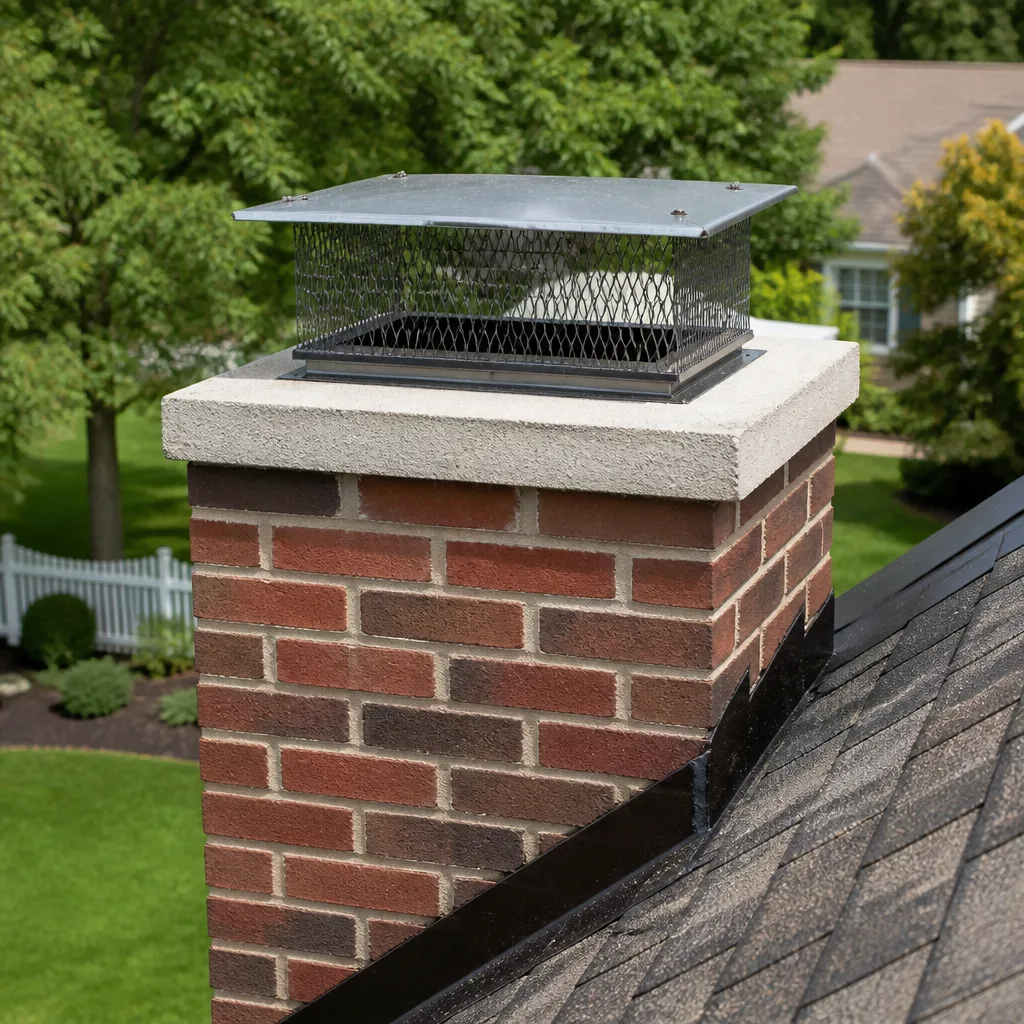
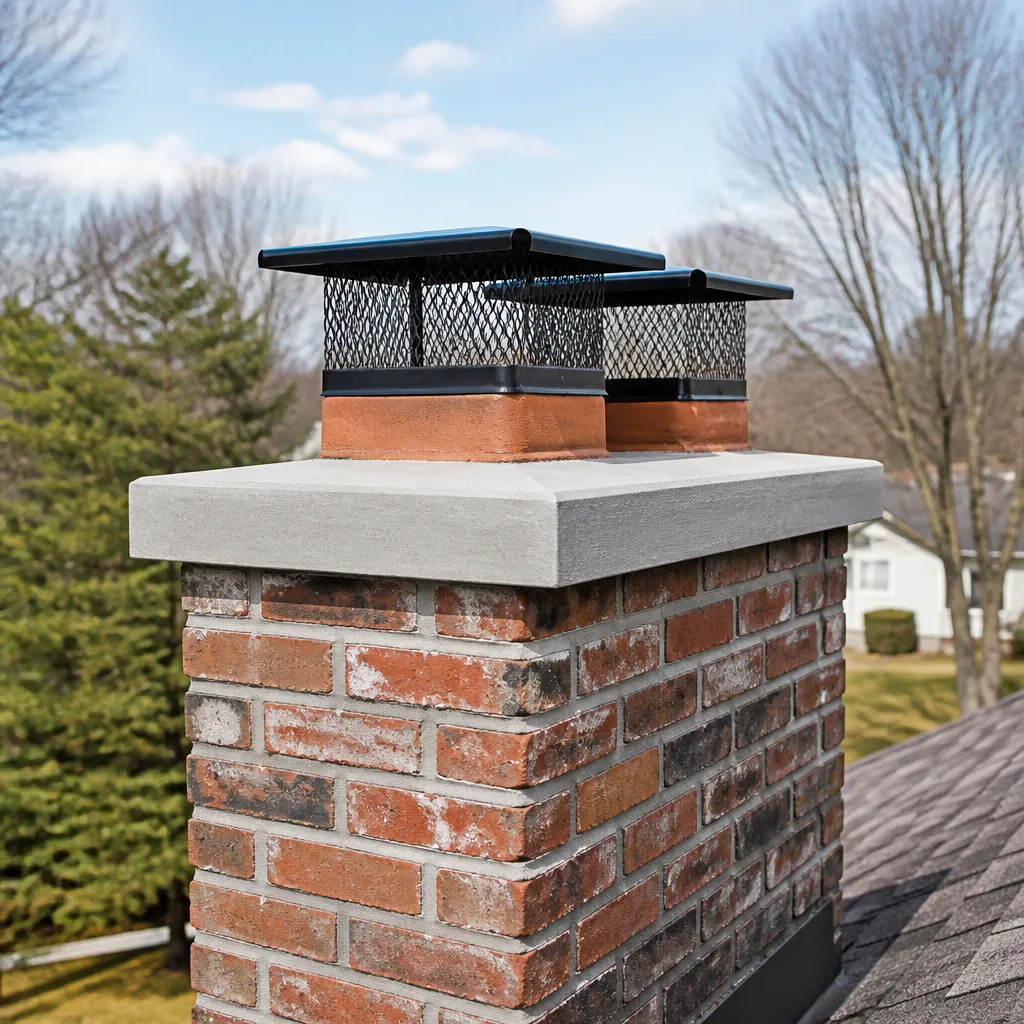
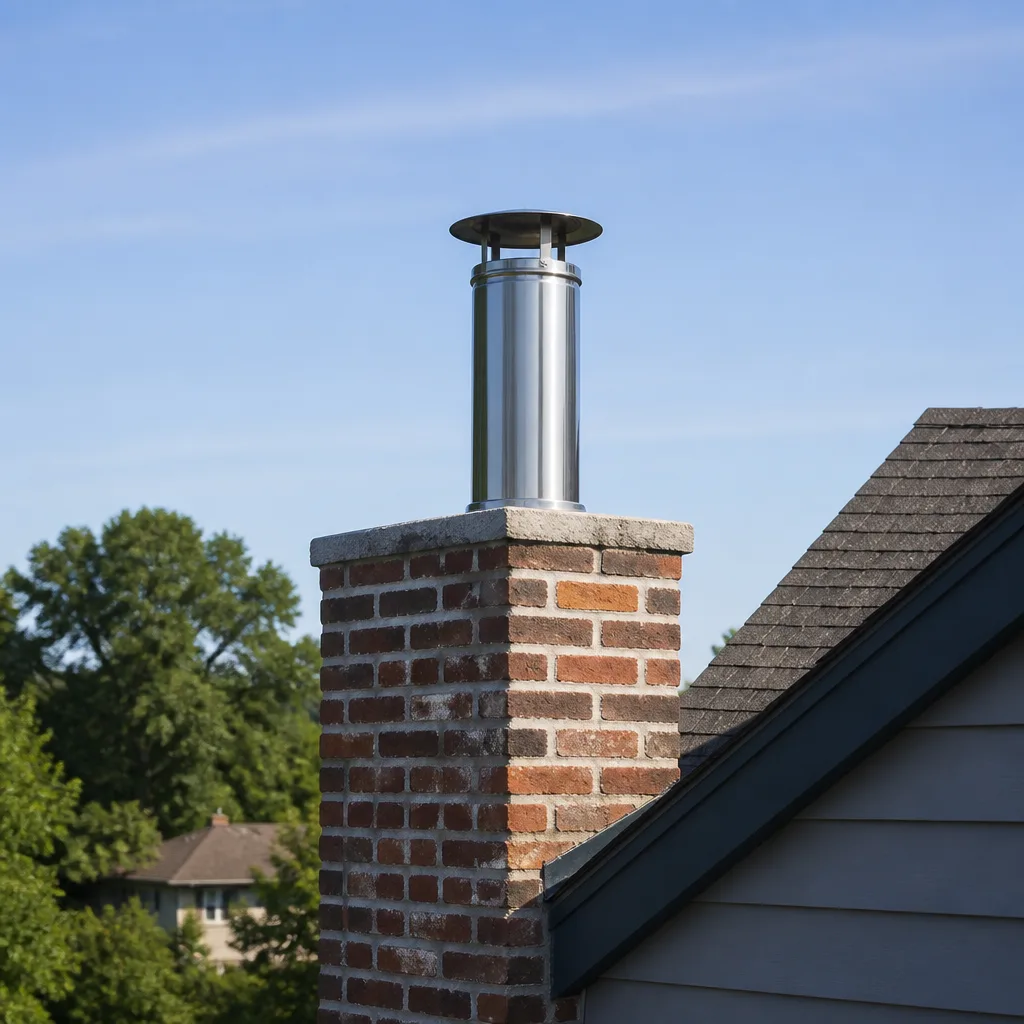
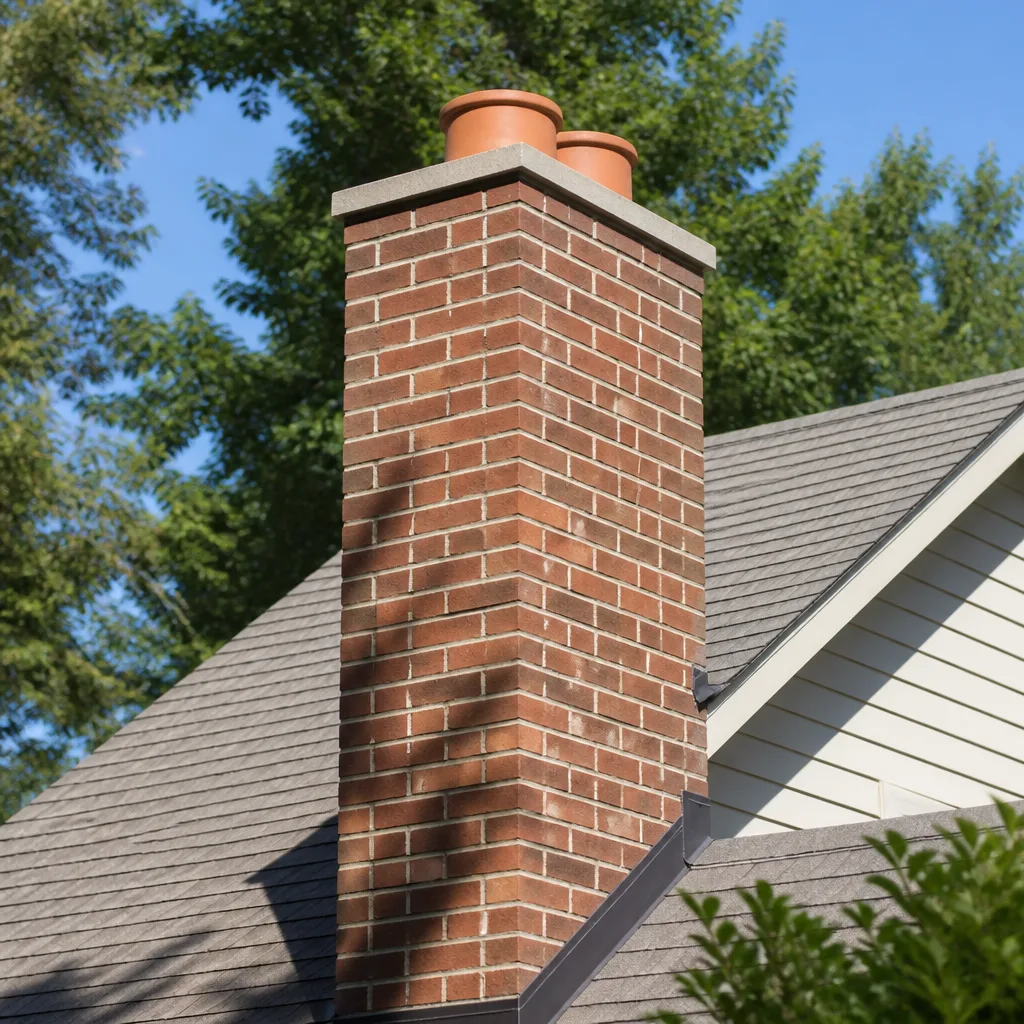
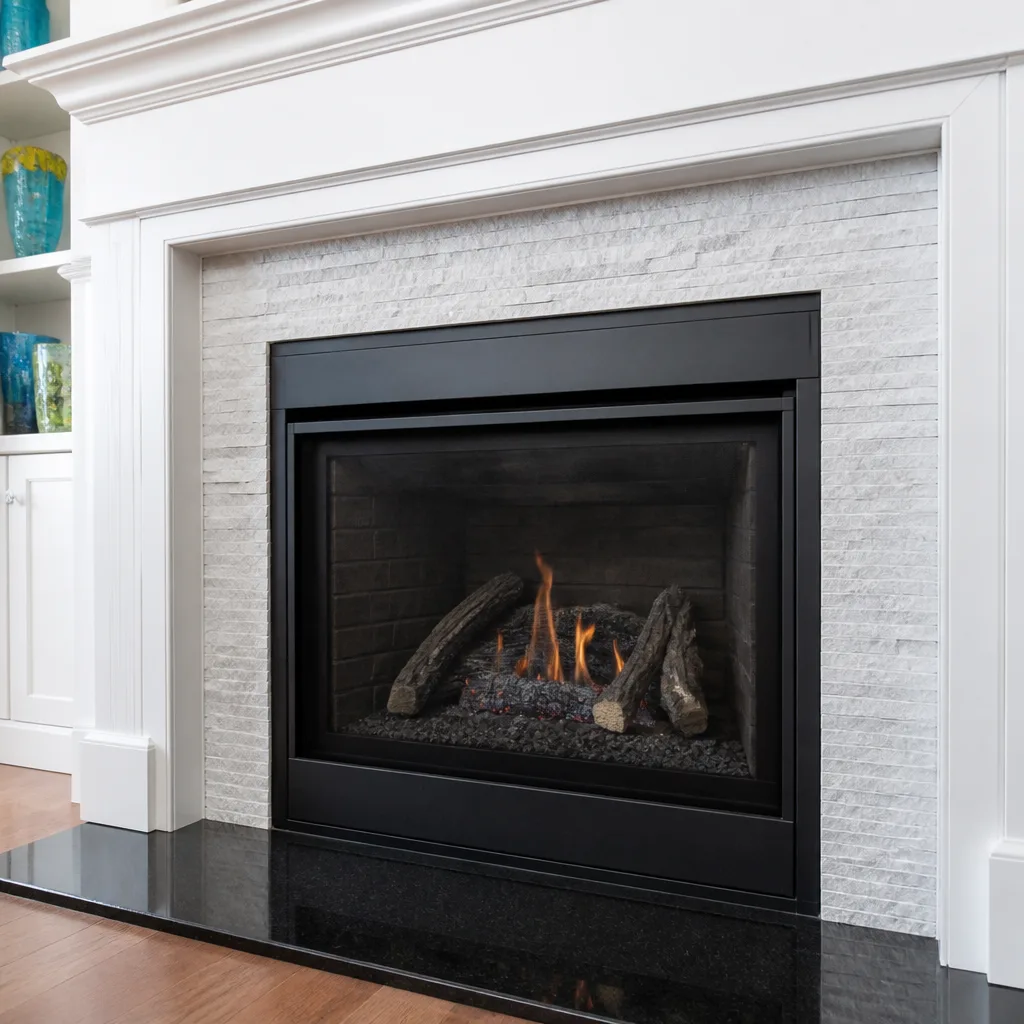
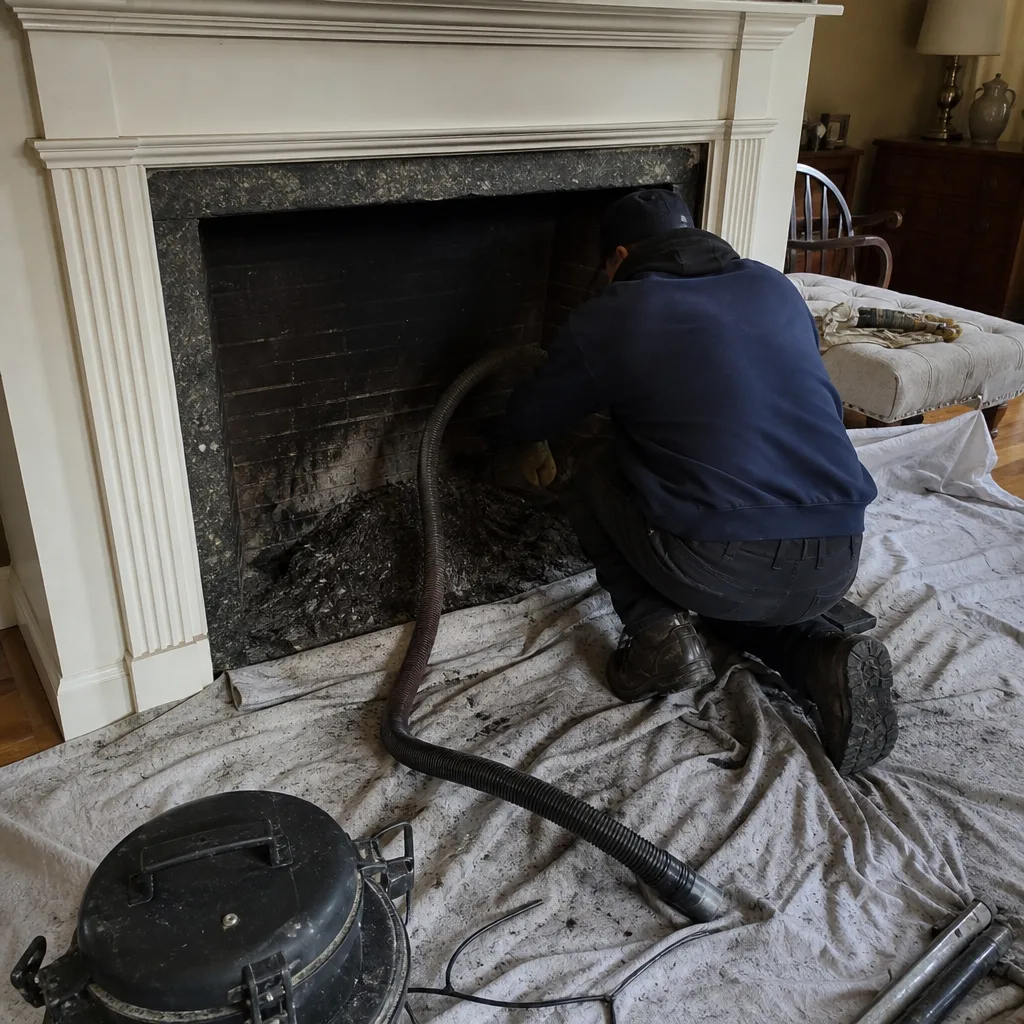 Before
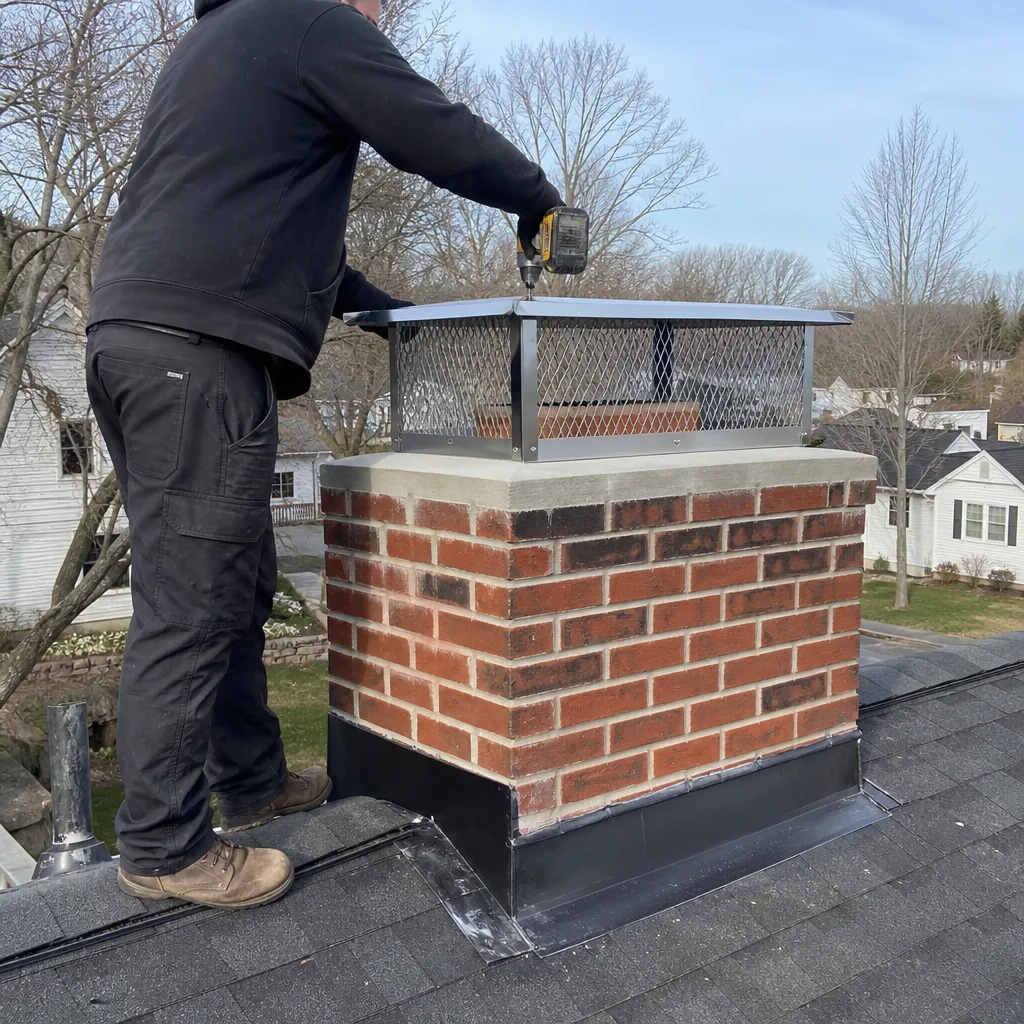 After
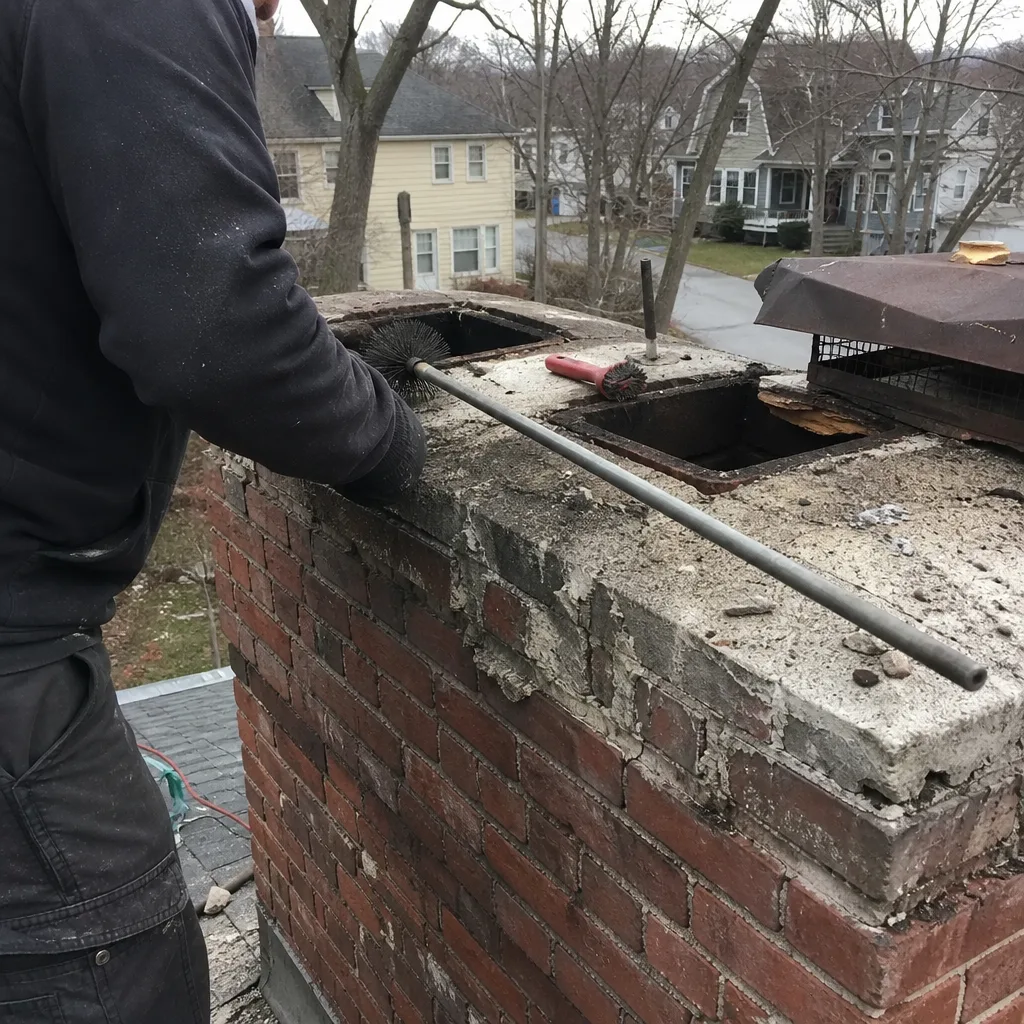 Before
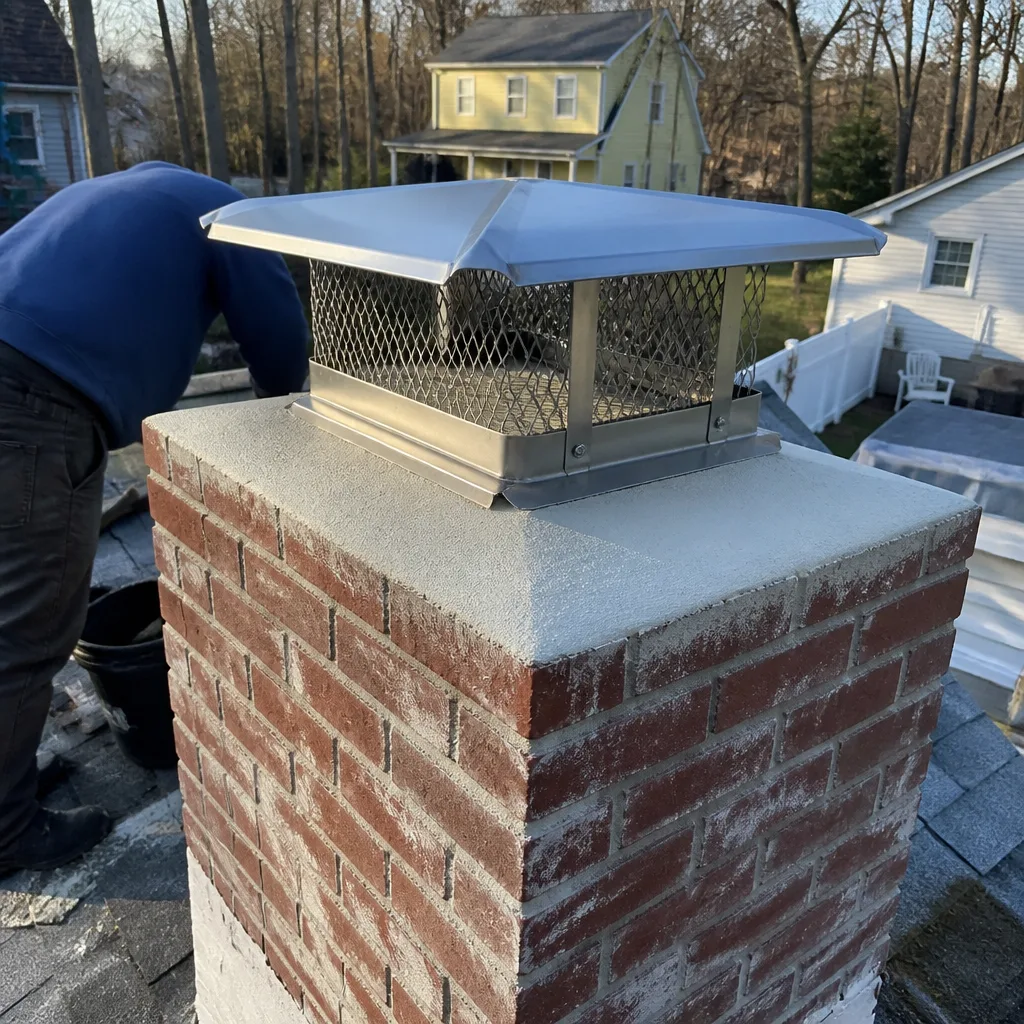 After
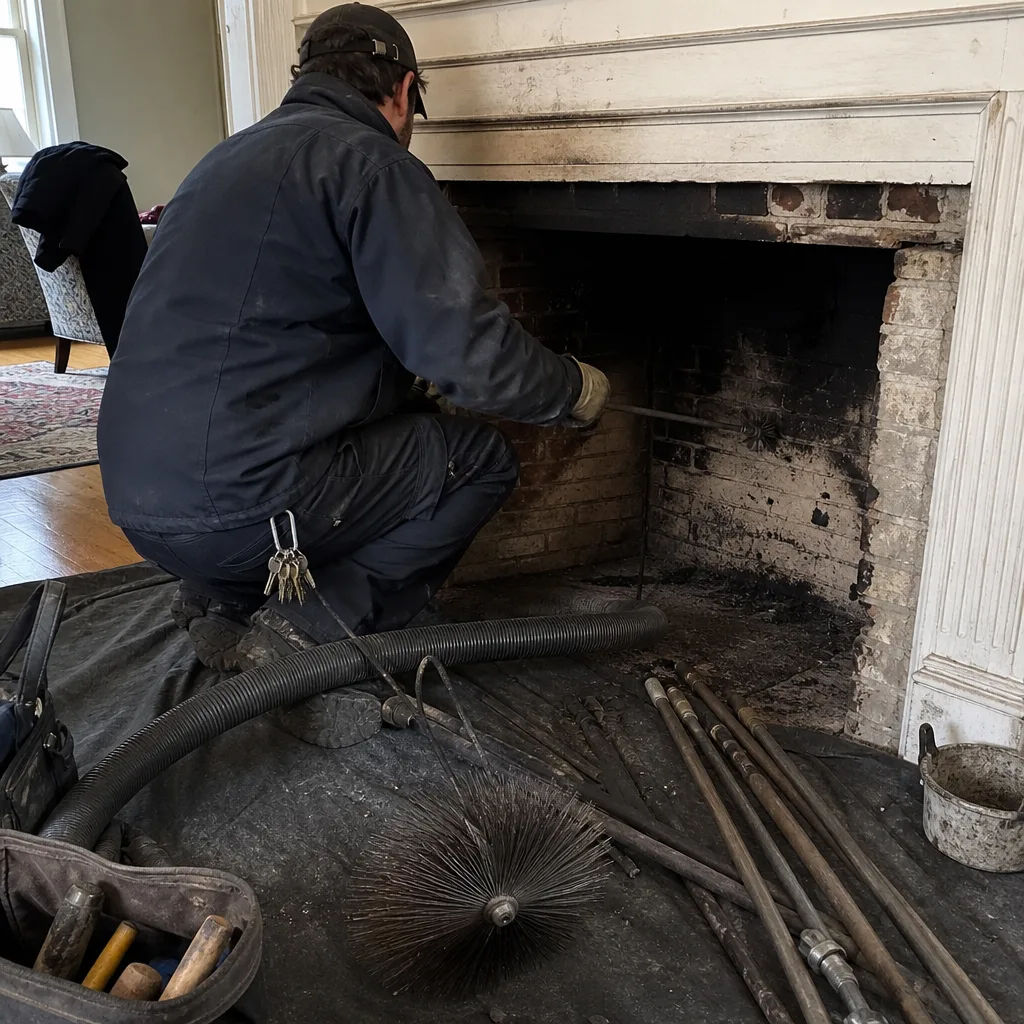 Before
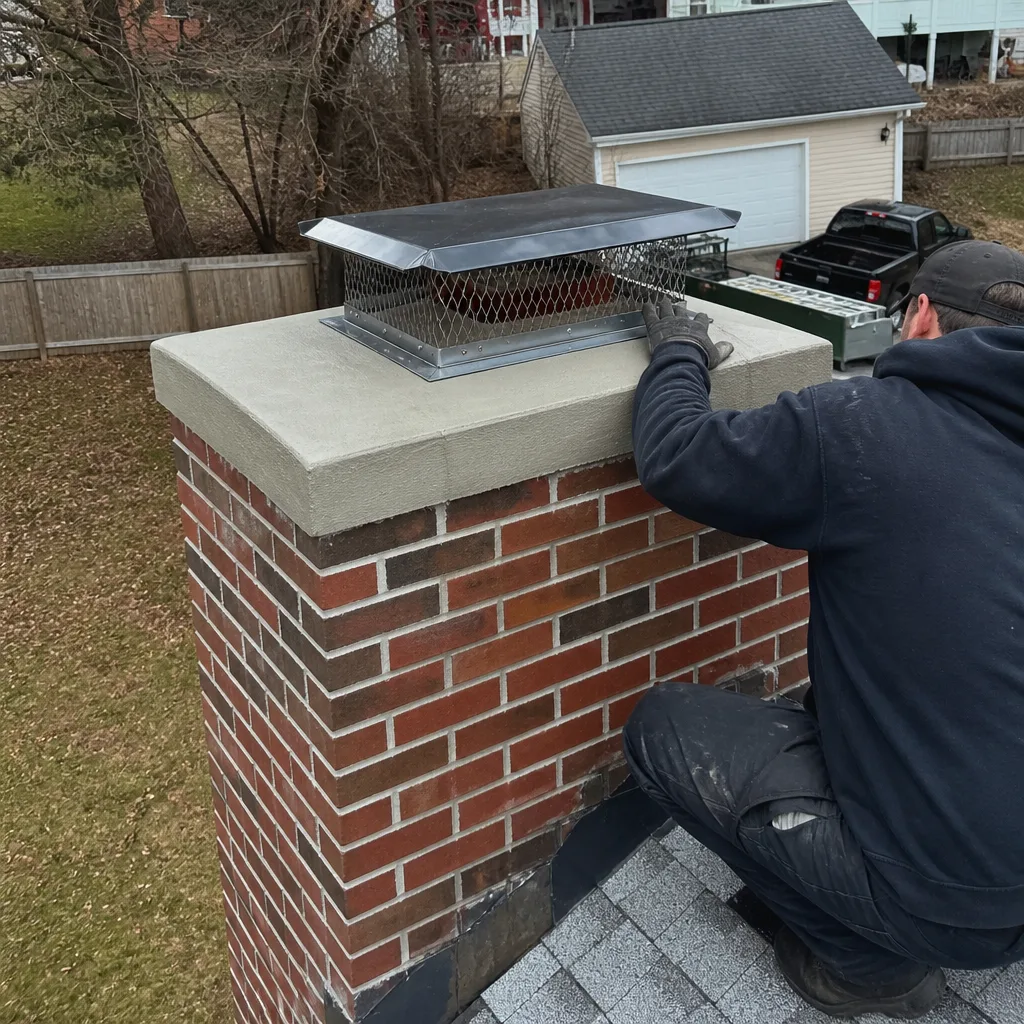 After
Chimney Cleaning Permits, Codes & Inspections in MA: What You Need to Know
Here’s the line most Boston homeowners miss: a routine chimney cleaning requires no permit whatsoever, but the liner replacement that gets pitched during that same visit can trigger full building department review. We’ve pulled permits in Back Bay brownstones where a simple sweep turned into a $4,200 liner job, and we’ve seen sellers in Jamaica Plain scramble to retroactively permit work done by a previous owner three years prior. The gap between sweeping and structural repair is where insurance claims get denied and real estate closings stall. Our Complete Guide to Chimney Cleaning in Boston maps exactly where that line sits, what Massachusetts code says about it, and how to protect yourself before anyone lights a match.
Quick Answer
Chimney cleaning and sweeping in Massachusetts requires no permit. Chimney liner replacement, structural rebuilds, and new appliance connections typically require a Boston building permit under the Massachusetts State Building Code (780 CMR). NFPA 211 provides the inspection standard, but local enforcement falls to your city or town’s building department, not the fire department, though fire officials may conduct separate occupancy inspections in multi-family buildings.
Table of Contents
- Cleaning vs. Permitted Work: Where the Line Sits
- Massachusetts Chimney Codes: 780 CMR and NFPA 211
- The Boston Permit Process: ISD, Fire Department, and What Actually Gets Enforced
- Insurance Claims, Real Estate Sales, and Unpermitted Work
- How to Pull Your Chimney’s Permit History Before Hiring Anyone
- Level 1, 2, and 3 Inspections: What Massachusetts Requires
- Common Mistakes to Avoid
- When to Call a Professional
- Frequently Asked Questions
- The Bottom Line
Cleaning vs. Permitted Work: Where the Line Sits
The distinction matters because it determines whether your job needs a permit, an inspection, and licensed trade involvement. In our 42 years serving Boston, we’ve watched homeowners assume “chimney work is chimney work” and end up with unpermitted installations that complicate everything from insurance renewals to condo board approvals - often missing chimney cleaning warning signs until it’s too late.
No permit required:
- Routine sweeping and cleaning of flue passages
- Removal of creosote, debris, and animal nests
- Exterior brick washing and cosmetic crown sealing (non-structural)
- Chimney cap installation that does not alter structure or draft configuration
- Level 1 and Level 2 inspections
Permit typically required in Boston:
- Chimney liner replacement or new liner installation (stainless steel, aluminum, or cast-in-place)
- Structural rebuilds, partial or full
- Crown replacement involving formwork and concrete pouring
- New appliance connections (inserts, stoves, boilers venting into existing chimney)
- Relining for conversion from oil to gas or wood to pellet
- Any work involving modification of fire-rated assemblies in multi-family buildings
The Massachusetts State Building Code, 780 CMR, governs these thresholds. Specifically, 780 CMR 53.00 (Chimneys, Fireplaces, and Solid Fuel-Burning Appliances) references NFPA 211 for installation standards but defers to local building officials for permit triggers. Boston’s Inspectional Services Department (ISD) interprets liner replacement as structural modification requiring permit because it alters the chimney’s engineered venting capacity.
We’ve seen this play out differently across neighborhoods. In South Boston triple-deckers, ISD routinely flags unpermitted liner work during certificate of occupancy transfers. In single-family Roslindale homes, enforcement often depends on whether the work was visible from the exterior or triggered a separate inspection. The rule is consistent; the enforcement varies. That’s why we document every liner installation with permit numbers and final inspection sign-offs, even when homeowners initially push back on the timeline.
One more distinction: Massachusetts plumbing and gas code (248 CMR) separately governs gas appliance venting. A gas insert installation in your Dorchester fireplace may require both a building permit for the chimney modification and a gas permit for the appliance connection. We coordinate both, but many operators don’t. Ask before anyone starts.
Massachusetts Chimney Codes: 780 CMR and NFPA 211
Massachusetts operates under a unified state building code with local amendments. For chimneys, two documents intersect: the state’s 780 CMR and the National Fire Protection Association’s NFPA 211, Standard for Chimneys, Fireplaces, Vents, and Solid Fuel-Burning Appliances.
780 CMR (Massachusetts State Building Code)
The state code adopts NFPA 211 by reference, meaning NFPA’s provisions become legally enforceable throughout Massachusetts. Key sections for homeowners:
- 780 CMR 53.00: Chimneys, fireplaces, and solid fuel-burning appliances. Requires compliance with NFPA 211 for construction, installation, and maintenance.
- 780 CMR 120.00: Energy conservation provisions affecting chimney draft and appliance efficiency standards.
- 780 CMR R105.1: Work requiring permit - explicitly includes “construction, erection, alteration, repair, removal, or demolition of a chimney” with exceptions for “ordinary repairs” that don’t affect structural integrity or fire rating.
NFPA 211 (The Inspection Standard)
NFPA 211 is where inspection levels originate. It mandates annual inspection for chimneys, fireplaces, and vents, with more frequent inspection for heavy-use systems. The standard defines three inspection levels and specifies when each applies:
- Level 1: Annual inspection of readily accessible portions; no tools or damage to building required. Appropriate for continued use under unchanged conditions.
- Level 2: Required upon sale or transfer of property, after chimney fire or operational malfunction, or when adding/modifying an appliance. Includes accessible portions in attics, crawl spaces, and basements; camera inspection of flue interior; evaluation of clearance to combustibles.
- Level 3: Required when Level 1 or 2 indicates hidden hazard. Involves removal of building components (walls, chimney breasts) to access concealed areas. Destructive and expensive; justified only by specific suspicion.
Here’s what competitors rarely clarify: NFPA 211 is a standard, not a law. Massachusetts makes it law by adoption. But enforcement mechanisms differ. NFPA compliance is inspected by your building department for permitted work, or by your insurance adjuster after a loss, or by a buyer’s home inspector at closing. There’s no annual NFPA police force. The consequence of non-compliance is denial of claim, failed sale, or voided coverage, not a ticket.
Boston’s coastal climate adds wrinkles NFPA doesn’t address directly. Salt air accelerates stainless steel liner corrosion in waterfront neighborhoods like East Boston and Charlestown. Freeze-thaw cycles in unheated flues - common in winterized summer properties or poorly insulated triple-deckers - cause crown cracking that standard inspection intervals may miss. We inspect these properties more frequently than NFPA’s annual minimum, following our Chimney Cleaning & Sweep Maintenance Checklist for Boston Homeowners, and we document why in our reports.
The Boston Permit Process: ISD, Fire Department, and What Actually Gets Enforced
Boston’s enforcement structure confuses homeowners because two agencies touch chimney work, with different jurisdictions and different powers.
Inspectional Services Department (ISD)
ISD is your building department. They issue permits, review plans, conduct inspections, and sign off on completion. For chimney work, ISD’s structural division handles:
- Permit application and fee collection (currently $75 base for residential chimney work, plus $50 per inspection)
- Plan review for liner sizing, appliance connection, and structural modification
- Field inspection of installed work against approved plans
- Certificate of completion or correction notices
ISD does not conduct routine chimney safety inspections for operational use. That’s not their mandate. They verify that permitted work meets code, not that your chimney is clean or safe to burn.
Boston Fire Department
The Fire Department’s role is narrower and more specific:
- Annual inspection of chimneys in commercial occupancies, boarding houses, and some multi-family buildings under Boston Fire Prevention Code
- Response to chimney fires and post-fire safety evaluation
- Enforcement of open-burning restrictions and wood stove installation clearances in rental properties
- Issuance of permits for open burning and certain recreational fires
For single-family homeowners in Boston, Fire Department chimney involvement is typically reactive: they show up after a fire, or when a neighbor reports smoke, or during rental property inspection programs. They do not review your liner installation for code compliance. That’s ISD.
What gets enforced where
In practice, Boston’s enforcement geography matters. The Back Bay and Beacon Hill have historic district overlays (BRC, Beacon Hill Architectural Commission) that add design review to any exterior-visible chimney modification. You could have a code-compliant liner installation that still requires BRC approval for crown height or cap visibility. We’ve navigated this for brownstone clients where the chimney is legally non-conforming and any modification triggers historic review.
Multi-family buildings in Allston and Brighton fall under Boston Housing Court’s aggressive code enforcement. Unpermitted chimney work discovered during housing inspection can result in ISD violation notices, Fire Department orders to cease use, and fines that escalate weekly until permitted and inspected.
Single-family homes in West Roxbury and Hyde Park see lighter touch enforcement, typically triggered only by sale, renovation, or complaint. But “lighter touch” doesn’t mean safe. An unpermitted liner voids your insurance regardless of whether ISD ever discovered it.
We pull permits for every job that requires one, schedule ISD inspections, and don’t close our work order until sign-off is documented. It adds two to five business days, sometimes more for plan review. Homeowners who want it faster should know what they’re trading away.
Insurance Claims, Real Estate Sales, and Unpermitted Work
This is where abstract permit requirements become concrete financial loss. We’ve testified in insurance disputes and consulted with real estate attorneys on chimney-related closing delays. The patterns are consistent.
Homeowner’s insurance claims
Standard Massachusetts homeowner’s policies (HO-3 form) cover “sudden and accidental” fire damage. They exclude damage caused by “faulty, inadequate, or defective” construction, maintenance, or repair. An unpermitted chimney liner installation fits this exclusion squarely if the insurer can demonstrate it contributed to the loss.
Scenario we’ve encountered: A Jamaica Plain homeowner had a stainless steel liner installed by a sweep who pulled no permit. Three years later, a chimney fire occurred. The insurer’s adjuster requested permit history from ISD, found none, and denied the $47,000 damage claim on the basis of unpermitted, uninspected work. The homeowner sued; the court upheld the denial because Massachusetts courts defer to policy language excluding defective construction, and unpermitted work creates a rebuttable presumption of defect.
Not every claim denial is upheld, but the burden shifts to the homeowner to prove the unpermitted work was not defective. That’s expensive litigation with uncertain outcome. The permit itself, with passed inspection, creates a presumption of code compliance that insurers must overcome to deny.
Real estate sales
Massachusetts standard purchase and sale agreements require disclosure of “any work performed without required permits.” Sellers who fail to disclose face post-closing liability. Buyer’s attorneys in Boston’s competitive market increasingly order ISD permit history searches as standard due diligence.
We’ve been called to inspect chimneys in Roslindale and Dorchester where the buyer’s inspector flagged unpermitted liner work, the seller had no documentation, and the closing stalled for six weeks while we pulled a retroactive permit, exposed the liner for ISD inspection, and corrected installation defects the original sweep had made.
Retroactive permits cost more than original permits. ISD charges double fees, may require destructive inspection (opening walls to verify clearance to combustibles), and can mandate removal and reinstallation if the original work doesn’t meet current code. The 2021 code updates changed liner sizing requirements for high-efficiency appliances; pre-2021 unpermitted installations often fail under current standards.
Condominium and co-op complications
Boston’s condo market adds another layer. Master insurance policies for associations often exclude unit-owner modifications to common elements. Chimneys in multi-unit buildings are frequently common elements. A Back Bay condo owner who installs a liner without association approval and proper permitting may find their unit uninsured and in violation of condo bylaws. We’ve mediated these disputes; they’re expensive and personal.
How to Pull Your Chimney’s Permit History Before Hiring Anyone
This step costs nothing and takes twenty minutes. Most homeowners skip it. Don’t.
Step 1: Gather your property information
You’ll need your Boston parcel ID (found on your property tax bill) or your street address with unit number if applicable. Condos and multi-families need the specific unit, not just the building address.
Step 2: Access Boston ISD online records
- Navigate to the City of Boston’s Inspectional Services Department website
- Select “Online Permits and Licenses” or access through the Boston Open Data portal
- Search by address or parcel ID
- Filter for permit types: “Building,” “Chimney,” “HVAC,” or “Renovation/Alteration”
Step 3: Interpret what you find
Permit records show application date, permit type, scope description, contractor listed, inspection dates, and status (issued, expired, completed, failed). Look for:
- Any permit with “chimney,” “liner,” “fireplace,” or “solid fuel” in the scope
- Permits issued to contractors you don’t recognize (previous owners’ work)
- Open or expired permits that were never closed with final inspection
- Permits with “failed” inspection status that show no subsequent correction
Step 4: Request missing documentation
If work was done but no permit appears, or if permits show as open or failed, contact ISD directly at their Boston City Hall office. Request a “permit research” appointment. Bring your property records. Ask specifically whether any work was done under a general renovation permit that might not show in chimney-specific searches.
Step 5: Verify contractor licensing
Massachusetts requires construction supervisors for structural chimney work. Check the Massachusetts Division of Professional Licensure for active CSL (Construction Supervisor License) status. Chimney sweeps performing only cleaning need no state license, but anyone performing structural work, liner installation, or appliance connection should hold appropriate credentials.
We’ve found permits pulled in our clients’ names by unlicensed contractors who disappeared after taking deposits. The permit remains open, the work incomplete, and the homeowner liable for correction. Verify before you sign.
Level 1, 2, and 3 Inspections: What Massachusetts Requires
NFPA 211’s three levels create confusion because they’re inspection depths, not permit requirements. Massachusetts doesn’t mandate any specific level by statute. But practical requirements emerge from insurance, real estate, and local enforcement contexts.
Level 1: The baseline
Appropriate for annual maintenance when nothing has changed. We perform Level 1 inspections during routine Chimney Cleaning & Sweep in Boston appointments. Scope includes:
- Visual examination of readily accessible portions of chimney exterior and interior
- Firebox, damper, and smoke chamber evaluation
- Basic flue condition assessment from below
- Clearance check to visible combustibles
No tools damage building finishes. No camera enters the flue. Level 1 is sufficient for “same fuel, same appliance, same use” continuity. It’s not sufficient after a chimney fire, for new appliance installation, or at property transfer.
Level 2: The deep look
Required by NFPA 211 upon sale or transfer of property, after chimney fire or malfunction, or when adding or replacing an appliance. Our Level 2 inspections include:
- Everything in Level 1, plus
- Video camera scan of entire flue interior, from firebox to crown
- Attic, basement, and crawl space access to evaluate concealed clearances
- Documentation with date-stamped photos and plain-English verdict
- Evaluation of liner condition, joint integrity, and proper sizing for connected appliances
In Boston’s older housing stock, Level 2 often reveals surprises. We’ve found unlined brick flues still in service in 1890s South End rowhouses, improper gas appliance venting into coal-era chimneys in Mission Hill, and HeatShield ceramic resurfacing that was deteriorating unseen in a Brookline Victorian. The camera doesn’t lie, and the photos give homeowners evidence they can show any contractor, attorney, or insurance adjuster.
Level 3: The invasive investigation
Required only when Level 1 or 2 indicates concealed hazard that cannot be evaluated otherwise. Level 3 may involve:
- Removal of wall sections to access chimney structure
- Dismantling of chimney breast or surrounding finishes
- Structural probing of masonry and foundation attachment
We recommend Level 3 only with clear justification, written homeowner authorization, and typically after consultation with a structural engineer. It’s rare. We’ve initiated fewer than twenty Level 3 inspections in forty-two years, always with specific cause: suspected pyrolysis of adjacent framing, structural movement visible in Level 2, or post-fire integrity verification.
What Massachusetts law actually requires
No Massachusetts statute mandates annual chimney inspection for single-family homeowners. The requirement is practical, not legal: your insurance policy may require “reasonable maintenance,” your mortgage may reference NFPA compliance, and your conscience should require knowing your chimney won’t burn your house down. Boston’s rental properties face stricter requirements under state sanitary code and Boston Housing Court precedent, but single-family enforcement remains complaint-driven.
Common Mistakes to Avoid
- Assuming your sweep handles permits. Many don’t. Ask explicitly: “Will you pull the permit, schedule inspection, and provide final sign-off documentation?” Get it in writing. We include this in every proposal for permitted work.
- Accepting “permit not needed” at face value. In Boston, liner replacement almost always needs a permit. If your sweep says otherwise, verify with ISD directly. We’ve corrected dozens of unpermitted installations where the previous contractor either didn’t know or didn’t care.
- Skipping permit history before purchase. Boston buyers who don’t check ISD records inherit the previous owner’s permit problems. In a fast market, this step gets cut. Don’t cut it. The twenty minutes saves months of headache.
- Confusing cleaning with inspection. A sweep removes creosote. An inspection evaluates safety. They’re related but distinct. We’ve cleaned chimneys that passed visual examination but failed camera inspection, revealing liner gaps invisible from below.
- Ignoring neighborhood-specific requirements. Historic district overlays in Beacon Hill, Back Bay, and parts of Charlestown add design review to structural work. Standard permits don’t satisfy BRC or BHAC. We’ve seen homeowners complete ISD-permitted work only to face historic commission cease orders.
- Hiring based on lowest price without permit verification. Unpermitted work is cheaper because it skips fees, inspection, and often proper materials. We’ve removed $800 “bargain” liners that used builder-grade aluminum in a wood-burning application, creating immediate fire hazard. Our Fireplace Services in Boston use specified professional-grade materials with documentation.
- Failing to document completed work. Keep permits, inspection sign-offs, contractor invoices, and warranty documents permanently. Transfer them to buyers at sale. We’ve reconstructed permit histories for clients who discarded paperwork, costing hours of ISD research and delay.
When to Call a Professional
Call when the work crosses from maintenance to modification. If you’re burning the same fuel in the same appliance and scheduling annual cleaning, a qualified sweep handles it - browse our more guides & resources to learn what to ask. If you’re changing anything - fuel type, appliance, liner condition, or structural elements - you need a company that understands permits, codes, and documentation.
Specific scenarios: visible cracking in crown or brickwork; water staining on interior walls near chimney; draft problems after weather events; purchase of a home with no chimney documentation; any recommendation for liner replacement without camera evidence you can see; smell of smoke or combustion gases in living spaces.
Hearthstone Chimney Co. offers free estimates in Boston. We’ll review your situation, check permit requirements, pull history if needed, and give you plain numbers before any work begins. No surprises on the bill. Call (857) 597-5950. A live person answers, every hour of every day.
Frequently Asked Questions
No. Routine chimney cleaning, sweeping, and creosote removal requires no building permit anywhere in Massachusetts. The work is maintenance, not construction. If a sweep tells you a permit is needed for basic cleaning, verify with your local building department. We perform Chimney Cleaning & Sweep in Boston without permit requirements, though we always document our work with photos and a written condition report.
Most residential stainless steel liner installations in Boston range from $2,800 to $5,500, depending on flue length, diameter, number of appliance connections, and access difficulty. Triple-deckers with straight vertical runs cost less; historic homes with offset flues or tight attic access cost more. This includes permit, inspection, and our 90-Day Done Right Promise. Call (857) 597-5950 for an exact quote based on your specific chimney. Estimates are free.
Unpermitted chimney work in Boston creates three risks: insurance claim denial if the work contributes to a loss, real estate sale complications when disclosure reveals the omission, and potential ISD enforcement if discovered through complaint or inspection. The remedy is typically a retroactive permit, which costs double standard fees and may require exposing installed work for inspection. We handle retroactive permitting regularly and can assess your specific situation.
Massachusetts has no statutory inspection frequency for single-family homeowners. NFPA 211 recommends annual inspection, which most insurers reference in policy language. Boston rental properties face more frequent inspection under housing code. In practice, we recommend annual Level 1 inspection for regular wood burners, and Level 2 inspection at every property transfer or after any chimney fire or significant weather event. Boston’s freeze-thaw cycles and coastal moisture make conservative scheduling prudent.
Massachusetts law does not prohibit homeowner-installed liners, but Boston ISD requires the same permit and inspection regardless of who performs the work. Homeowner installations fail inspection at higher rates due to improper sizing, inadequate clearance to combustibles, and missing support methods. We do not recommend DIY liner installation. The safety stakes are significant, and failed inspection triggers costly rework. Our background-checked technicians complete most liner installations in a single visit with permit coordination included.
Building department (ISD in Boston) inspects permitted construction for code compliance: proper materials, correct installation, adequate clearances. Fire department inspects operational safety in certain occupancies and responds to incidents. For single-family homeowners, Fire Department involvement is typically post-fire or complaint-driven. Building department involvement is permit-driven. Both can order cessation of use, but their jurisdictions differ. We coordinate with ISD for all permitted work and maintain documentation for any future inquiry.
The Bottom Line
Chimney cleaning needs no permit. Chimney modification always should have one. The gap between those two sentences is where Boston homeowners lose insurance coverage, delay real estate sales, and pay twice for the same work. Massachusetts code is clear: 780 CMR adopts NFPA 211, Boston ISD enforces it, and insurers deny claims when it’s ignored. Pull your permit history before you hire. Demand camera evidence you can see. Get every promise in writing. And work with a company that’s been answering the phone long enough to know what happens when shortcuts catch up. Done right, and we stand behind it.
Written by Russell Haines, Owner at Hearthstone Chimney Co., serving Boston since 2014.