
Last updated September 10, 2026
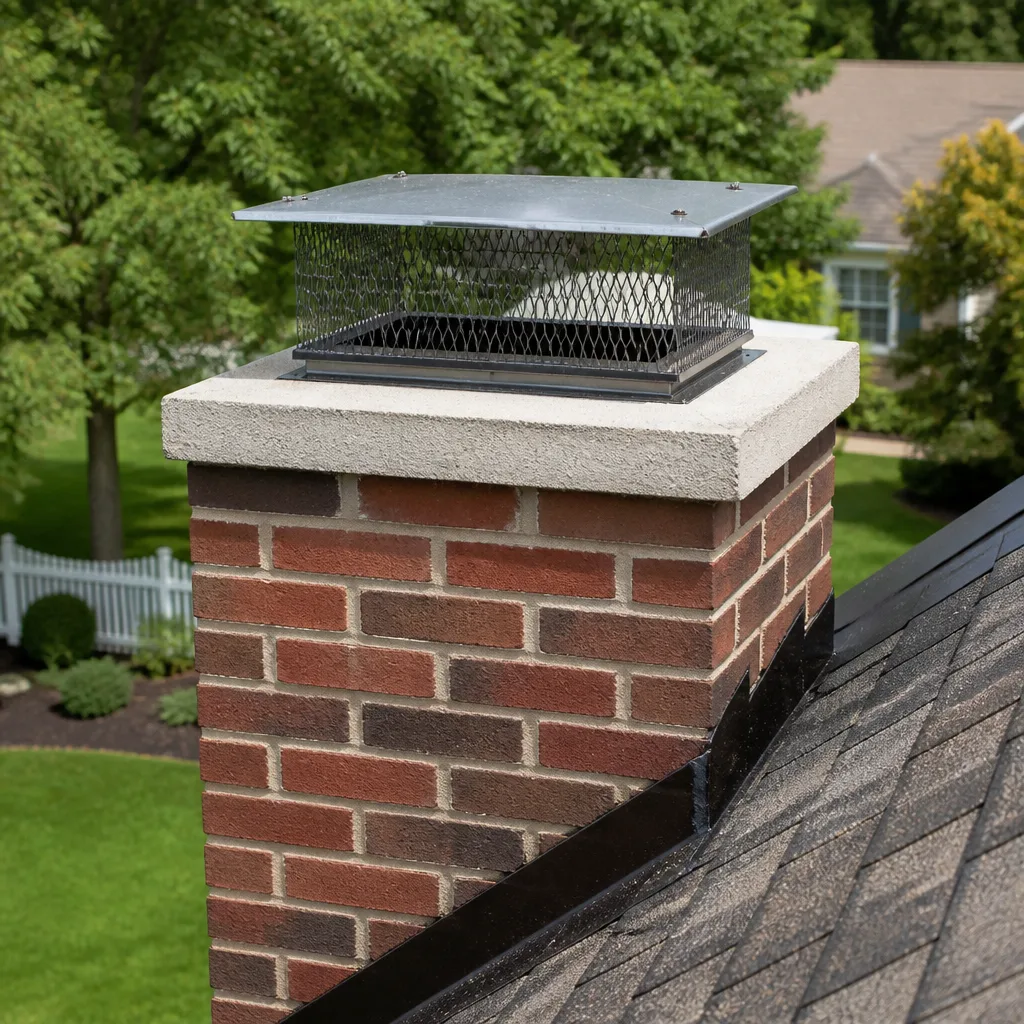
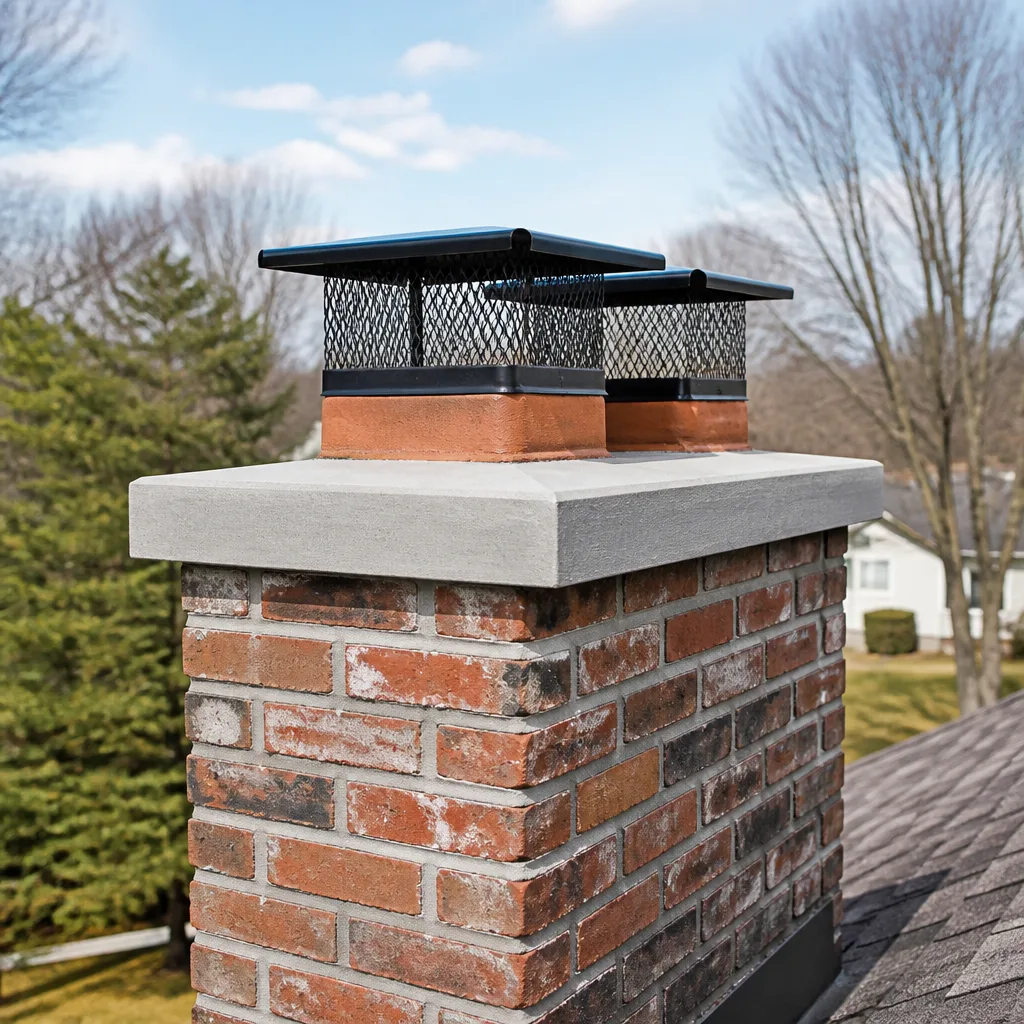
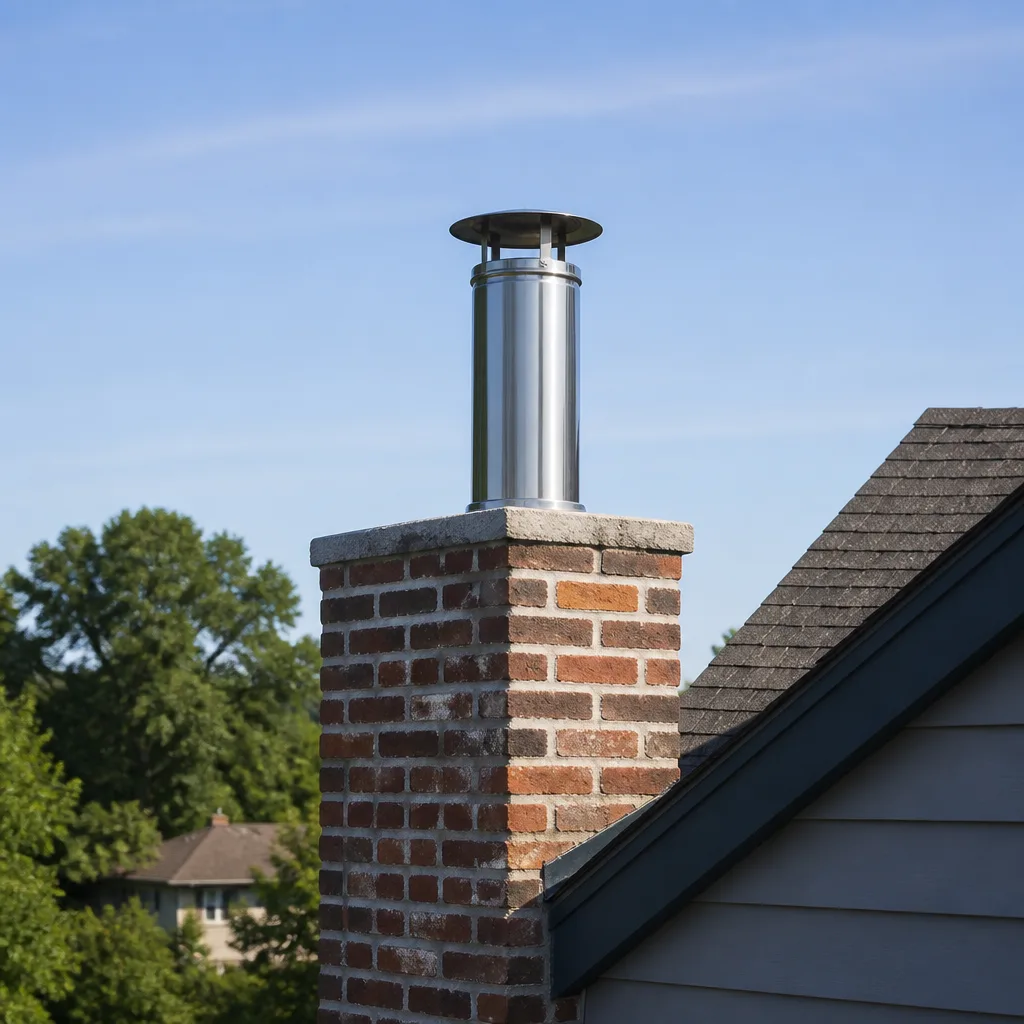
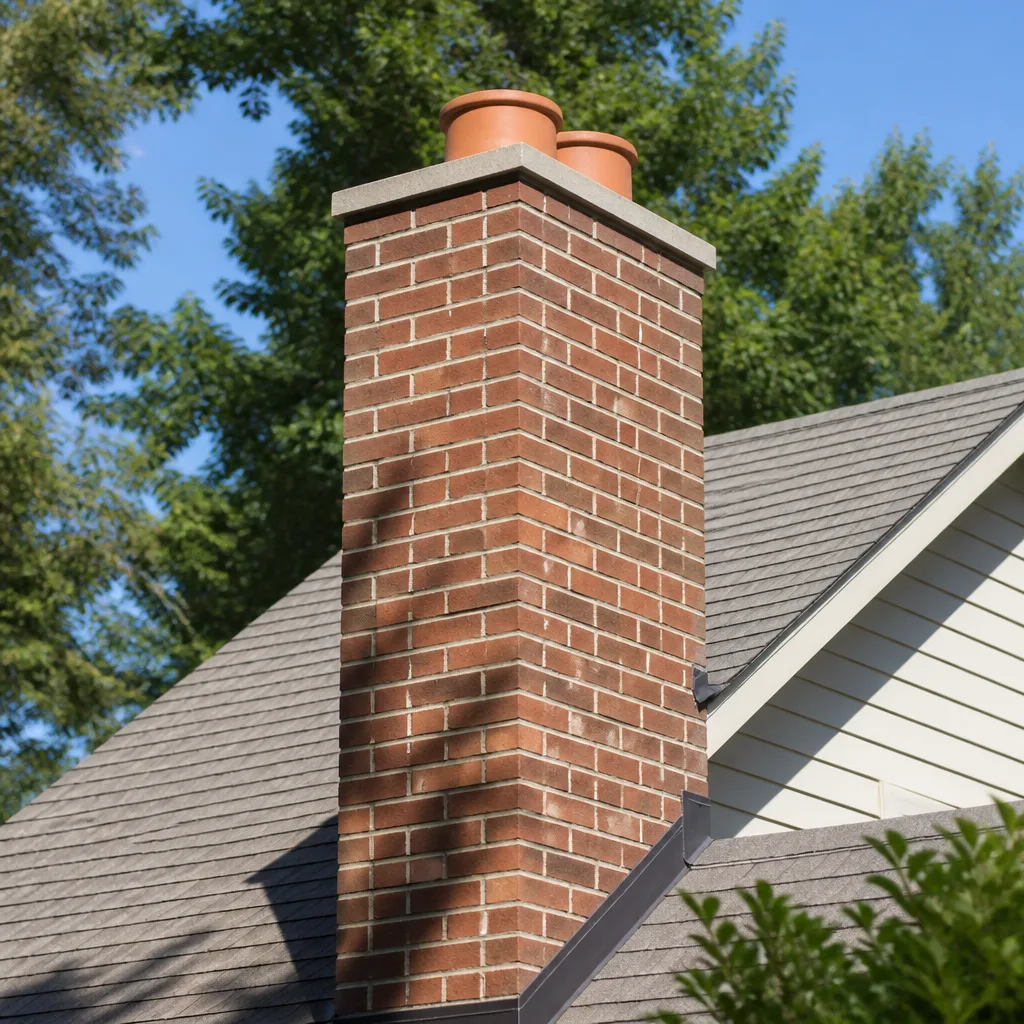
Level 1 sweep and inspection to the NFPA 211 annual standard - flue, crown, cap, and flashing checked and photographed
Chimney sweep logs do not sweep chimneys. They loosen some creosote - which then falls where a brush and vacuum still have to collect it.
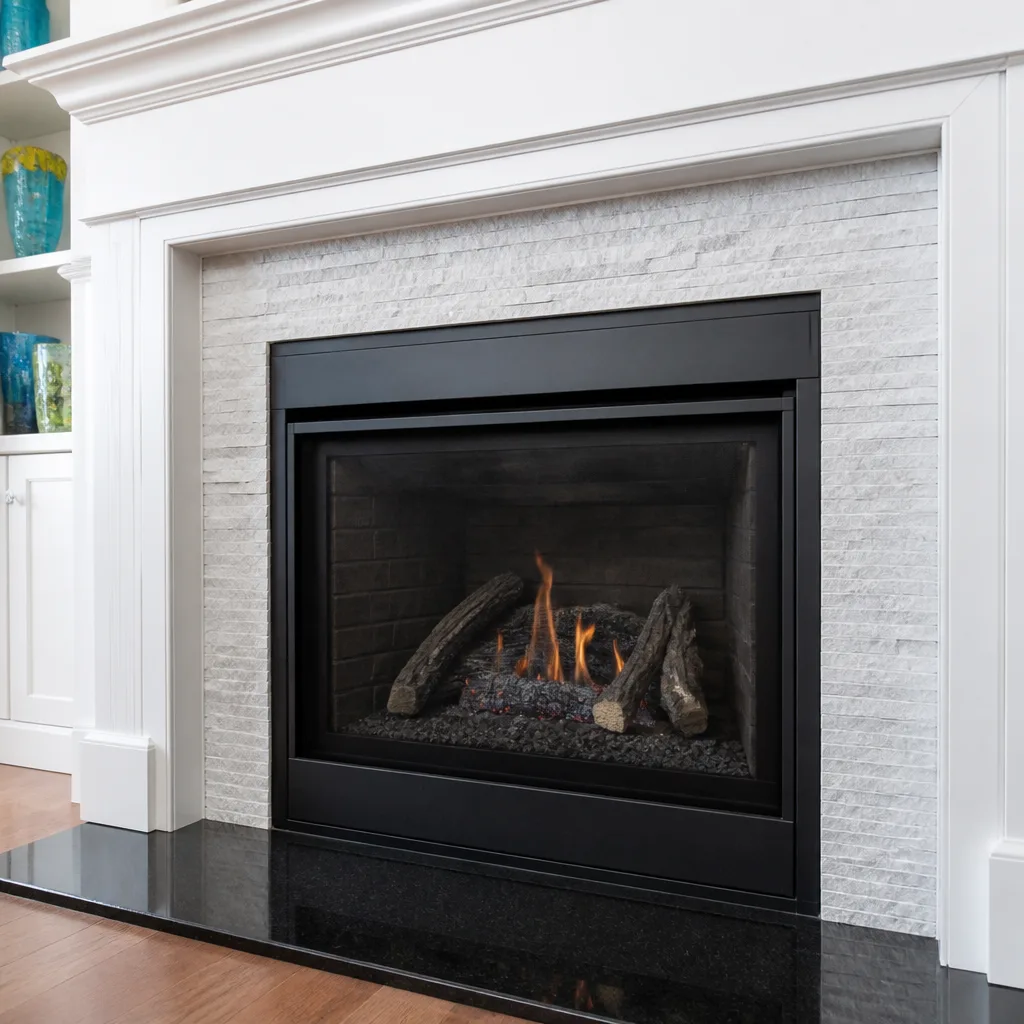
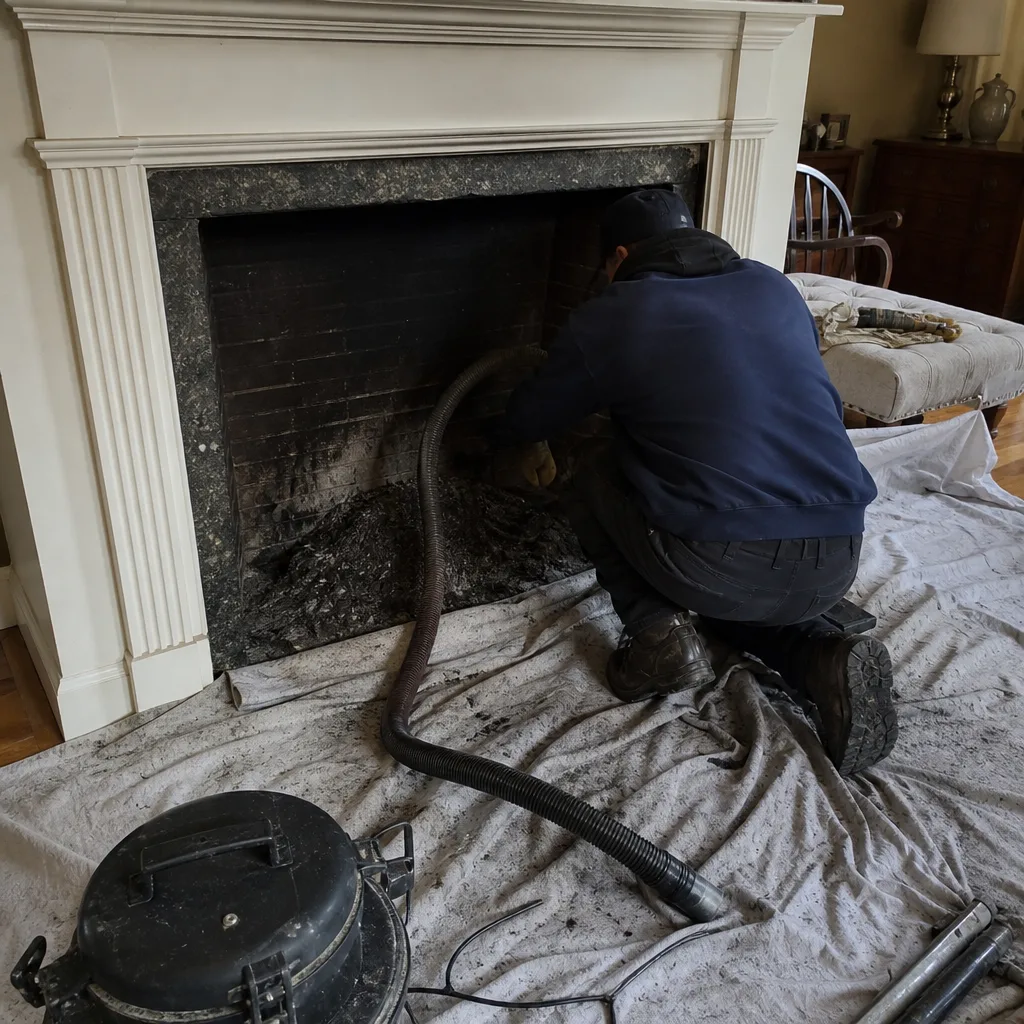 Before
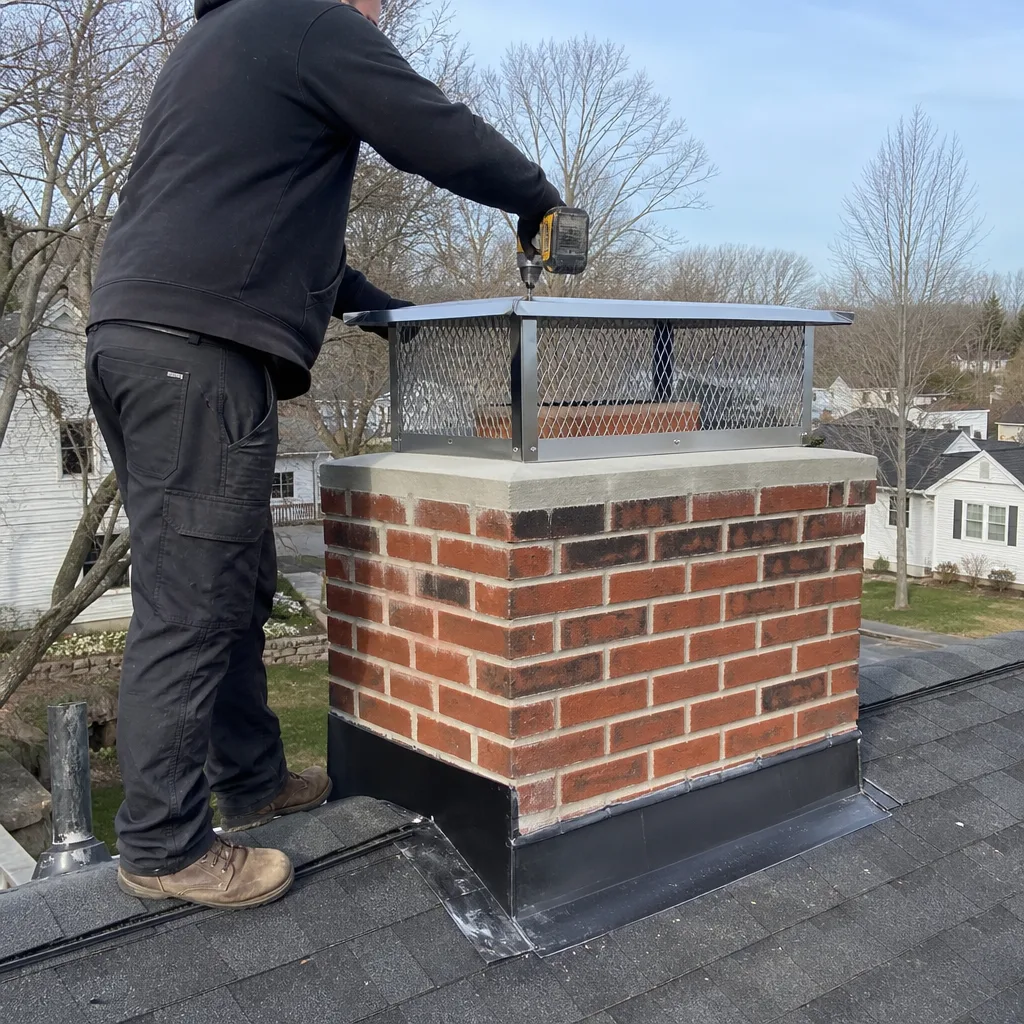 After
After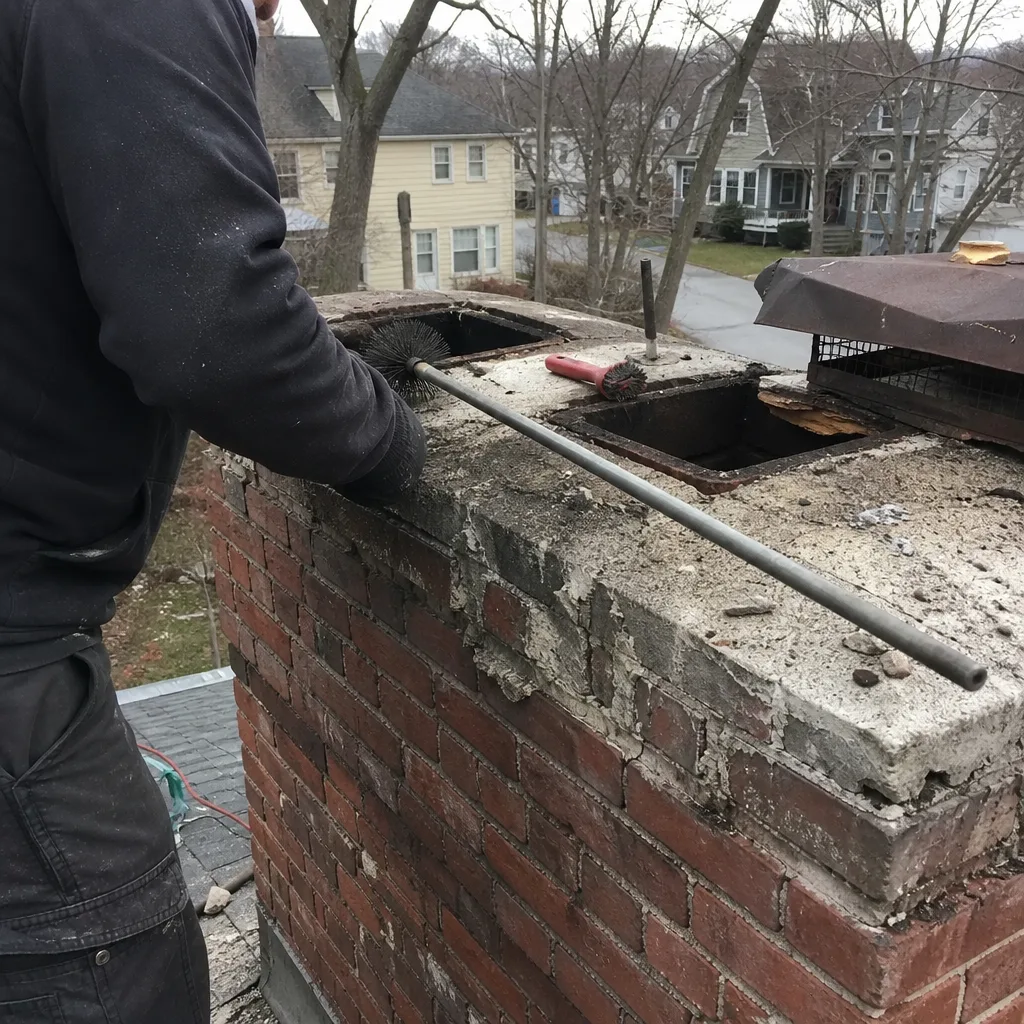 Before
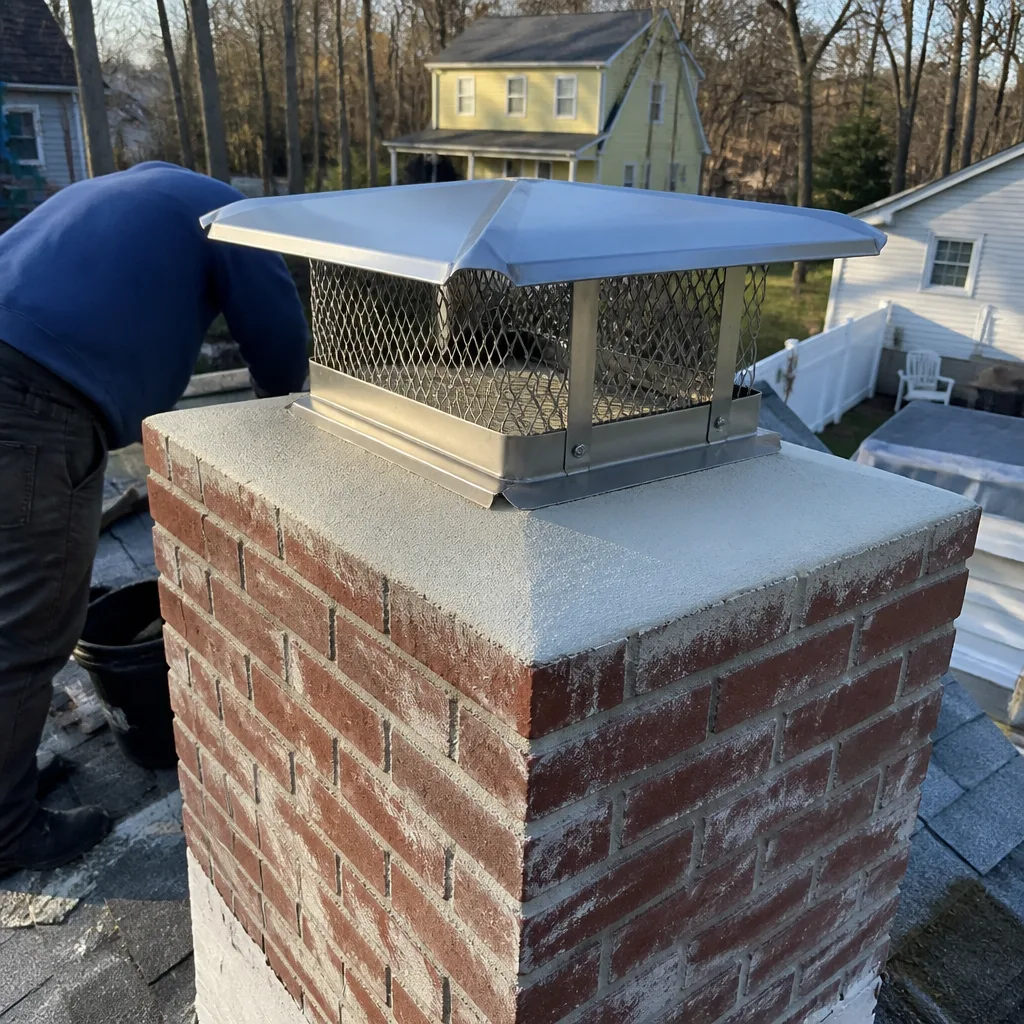 After
After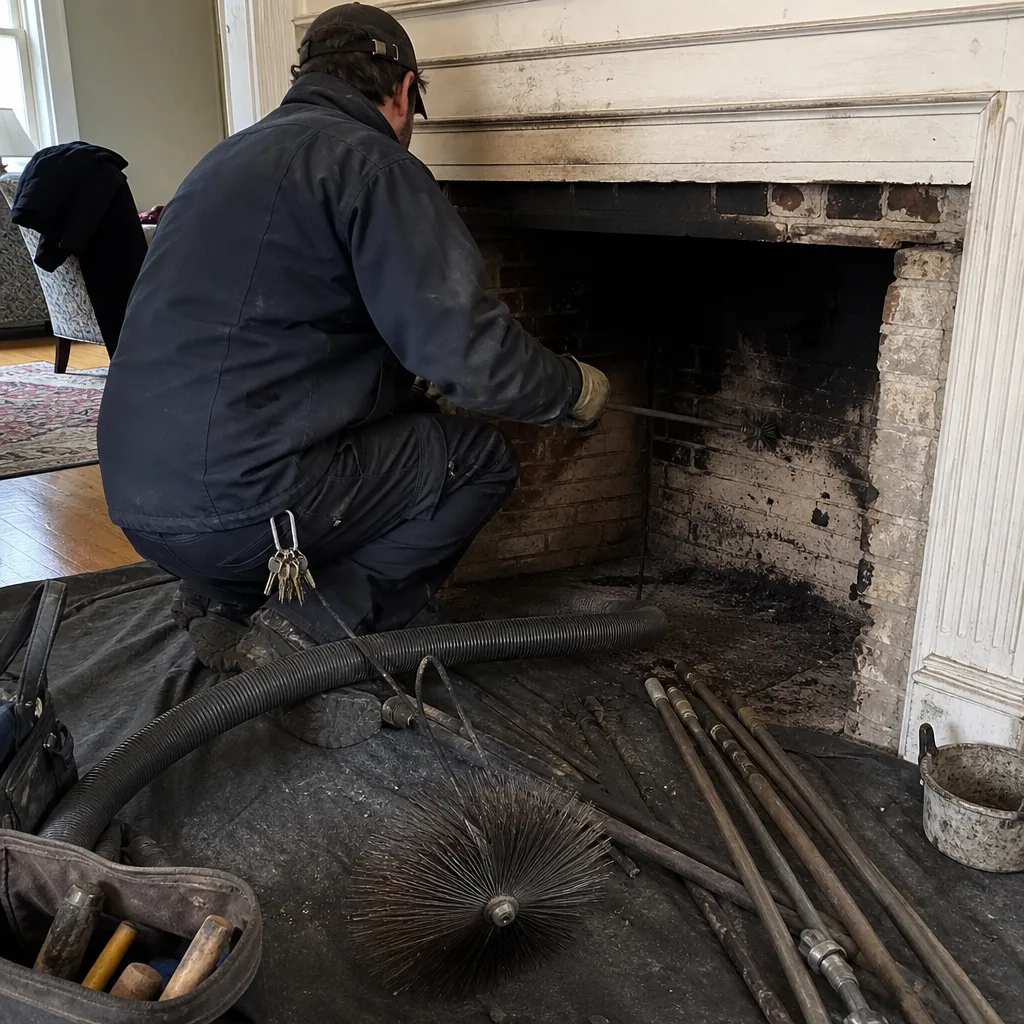 Before
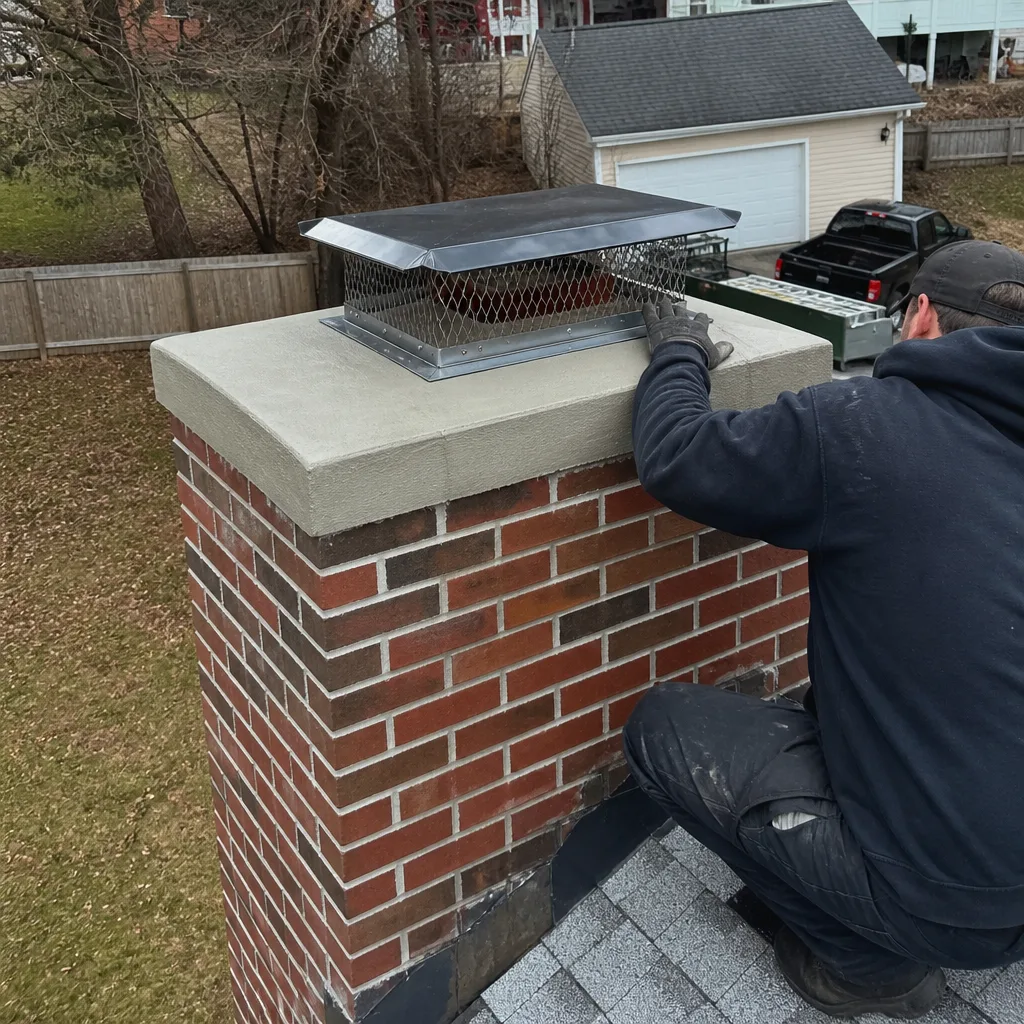 After
AfterDIY vs Professional Chimney Cleaning: The Boston Homeowner’s Decision Guide
You can buy every tool a professional chimney sweep uses for under $200 and watch a tutorial in 20 minutes. What you cannot buy is the trained eye that knows the difference between normal glazing and stage-three creosote that requires chemical treatment before a brush ever touches it. In Boston, where the median home age exceeds 100 years and chimneys have survived coal conversions, oil burner tie-ins, and decades of freeze-thaw cycles, that trained eye matters more than most homeowners realize. This guide draws a clear line between what you can safely handle yourself and what demands professional assessment - without condescension, and with specific attention to the conditions we see in Boston homes from Back Bay to Dorchester.
Quick Answer
Most Boston homeowners with a modern fireplace, basic DIY skills, and a chimney cleaned within the last two years can perform a surface-level brush cleaning themselves for roughly $75-$150 in materials. However, if your Boston home was built before 1950, your chimney has not been professionally inspected in three or more years, or you burn more than two cords of wood per winter, professional cleaning with a Level-2 camera inspection is the safer and more cost-effective choice. For homeowners unsure where they fall, our How to Hire a Chimney Cleaning Contractor in Boston: A Step-by-Step Guide explains what to look for in professional accountability, documentation, and the capacity to identify conditions that a brush alone cannot fix.
Table of Contents
- What Homeowners Can Safely Do Themselves
- Three Scenarios Where DIY Becomes a Liability
- What Professionals Document That Homeowners Cannot
- The Real Cost Comparison: DIY vs Professional in Boston
- How Boston’s Older Housing Stock Raises the Risk Profile
- Tools, Techniques, and Safety Protocols Compared
- Common Mistakes to Avoid
- When to Call a Professional
- Frequently Asked Questions
- The Bottom Line
What Homeowners Can Safely Do Themselves
Let’s start with what is genuinely possible. A homeowner with a straight-run masonry chimney, a modern factory-built fireplace, or a freestanding wood stove can perform a basic cleaning that removes loose soot and first-stage creosote. This is not nothing. First-stage creosote is flaky, dusty, and brushes off readily. If you burn well-seasoned hardwood, maintain hot fires with adequate air supply, and have your chimney professionally inspected every two to three years, supplementary DIY cleaning between professional visits is a reasonable maintenance practice.
The conditions that make DIY cleaning viable:
- The chimney was professionally cleaned and inspected within the last 24 months. You need confirmation that no hidden damage, liner deterioration, or creosote buildup beyond stage one exists.
- You have a straight flue with no offsets or bends. Boston’s older homes often do not meet this standard. A chimney with a coal-era offset or a clay tile liner with shifted joints cannot be cleaned effectively from below with a standard brush.
- You burn fewer than two cords of seasoned hardwood per heating season. Higher burn volumes accelerate creosote accumulation beyond what DIY tools can manage.
- You can access the roof safely or clean from the bottom using a rotary system with proper rods. In Boston, where roofs are steep, slate is common, and winter ice persists, roof access is often the most dangerous part of the job.
The basic tool kit runs $75-$150: a poly or wire brush sized to your flue diameter, flexible fiberglass or poly rods, a drop cloth, a shop vacuum with HEPA filtration, and personal protective equipment including a respirator rated for fine particulate. Do not skip the respirator. Creosote particulate is a known carcinogen, and the confined space of a Boston row house basement or living room concentrates exposure.
The procedure is straightforward in theory. Seal the fireplace opening. Assemble rods and brush. Work the brush up the flue in short, firm strokes, adding rods as you go. Vacuum fallen debris. Inspect the firebox and smoke chamber visually for cracks or spalling. The entire process takes two to four hours for a first-timer, including setup and cleanup.
What this accomplishes: removal of loose, first-stage creosote and surface soot. What it does not accomplish: assessment of liner condition, detection of hidden moisture damage, measurement of creosote thickness, identification of structural cracks, or documentation for any purpose beyond your own notes.
Three Scenarios Where DIY Becomes a Liability
There are three conditions we encounter regularly in Boston where DIY cleaning shifts from cost-saving to genuine risk. Each one is common enough that we treat it as routine, and each one is invisible to the homeowner working from below with a brush.
Stage-Two or Stage-Three Creosote
Stage-two creosote is crunchy, porous, and adheres to flue walls like tarry popcorn. Stage-three is glossy, hardened, and nearly impervious to mechanical brushing. Both require chemical treatment - typically a powder or spray applied over one or more heating cycles to alter the creosote’s composition before mechanical removal is attempted. Attempting to brush stage-three creosote with standard tools is ineffective and can damage clay tile liners or stainless steel liners by concentrating force on a surface that will not yield.
In Boston, stage-three creosote is common in chimneys venting older, non-EPA-certified wood stoves or fireplaces where homeowners burn unseasoned wood or restrict air supply overnight. The cold-start cycles of Boston’s shoulder seasons - October and April, when fires are intermittent - exacerbate the problem, which is why Seasonal Chimney Cleaning Care for Boston: Year-Round Homeowner’s Guide matters for prevention. We see this frequently in neighborhoods like Jamaica Plain and Roslindale, where wood heat supplements oil or gas systems and firing practices vary widely.
Any Sign of Liner Damage
A damaged liner cannot be diagnosed from the firebox. Hairline cracks in clay tile, corrosion spots in stainless steel, and gaps at liner joints are all above the smoke chamber, invisible without a camera. A homeowner brushing a damaged liner can dislodge fragments, worsen gaps, or simply leave the hazard unaddressed while gaining false confidence from a “clean” flue.
The stakes are specific and serious. A compromised liner allows heat, sparks, and combustion gases to reach combustible framing. In Massachusetts, the state building code requires listed chimney liners for all new installations and repairs, and insurance adjusters increasingly request documentation of liner condition after chimney fires. A DIY cleaning provides no such documentation.
Chimneys Last Cleaned More Than Three Years Ago
The three-year threshold is not arbitrary. Beyond this interval, the accumulation pattern becomes unpredictable. Moisture intrusion, animal nesting, freeze-thaw damage, and prior partial cleanings all create conditions that a basic brush pass cannot address safely. We have opened chimneys in Boston’s South End and Charlestown that appeared clean from below but contained compacted debris, collapsed tile fragments, or active water damage that rendered the flue unsafe for use.
The liability extends beyond personal safety. In Massachusetts, a chimney fire that can be traced to negligent maintenance may affect insurance coverage. A professional sweep carries liability insurance, maintains certification records, and provides written documentation. A homeowner has none of these protections.
What Professionals Document That Homeowners Cannot
The gap between DIY and professional chimney cleaning is widest not in the brushing itself but in what happens before and after. A professional Chimney Cleaning & Sweep in Boston includes documentation that serves legal, financial, and safety functions a homeowner cannot replicate.
Level-2 camera inspection. This is the standard we follow at Hearthstone Chimney Co. A high-resolution camera traverses the entire flue, capturing images of liner condition, creosote thickness, mortar joint integrity, and any obstructions. The homeowner receives photos they can see and a plain-English verdict on what requires attention, what can be monitored, and what is in good condition. In our experience, roughly 30% of Boston chimneys that appear sound from below show camera-detected defects that affect safety or require repair planning.
Written condition report. This document specifies creosote stage, liner type and condition, recommended cleaning interval, and any repair recommendations with priority ranking. For Massachusetts homeowners, this report serves as evidence of due diligence for insurance purposes and as a disclosure document for home sales. A buyer’s inspector will ask for it; a seller without it faces negotiation pressure or delayed closing.
Combustion clearance verification. Professionals measure clearances to combustibles, confirm proper connector installation, and verify that factory-built components remain in their original listed configuration. These measurements require training and specialized tools, not guesswork.
Code compliance assessment. Massachusetts follows the International Residential Code with state amendments, and Boston has additional historic district requirements in neighborhoods like Beacon Hill and Back Bay. A professional sweep identifies code deficiencies that affect insurance, resale, or permitted use.
The documentation we provide at Hearthstone Chimney Co. home is governed by our K.E.Y.S. values code: Krafted right, Every time, Your home first, Standing behind it. The 90-Day Done Right Promise backs every job in writing with no arguing - if it’s not right, we make it right. That accountability structure exists because we have served local communities for over 42 years and plan to be here for thirty more.
The Real Cost Comparison: DIY vs Professional in Boston
Cost comparisons that only list material prices mislead homeowners. The full accounting includes materials, time, risk premium, and the value of documentation. Here is the breakdown for Boston in 2024-2025.
| Cost Component | DIY Cleaning | Professional Cleaning + Inspection |
|---|---|---|
| Materials / Service Fee | $75 - $150 (brush, rods, vacuum, PPE) | $250 - $400 (sweep + Level-2 inspection) |
| Time Investment | 3 - 5 hours (first attempt, including cleanup) | 1.5 - 2.5 hours (technician on site) |
| Documentation | None | Written report with photos, warranty record |
| Liability Coverage | Homeowner assumes all risk | Insured, bonded, with 90-Day Done Right Promise |
| Hidden Condition Detection | None (cannot see above smoke chamber) | Camera inspection of full flue length |
| Repair Coordination | Self-diagnosed, self-contracted | Integrated with Chimney Repair in Boston if needed |
The break-even analysis depends on your situation. If you have a newer home in West Roxbury with a straight stainless steel liner, burn two fires per week, and had a professional inspection last year, DIY cleaning between professional visits is economically rational. Your annual cost is roughly $75 in materials plus your time, with a professional inspection every third year.
If you live in a pre-1940s home in Dorchester, Somerville, or Cambridge with original clay tile, burn daily through Boston’s heating season, or cannot recall your last professional inspection, the professional route is less expensive when total risk is priced in. A single undetected liner defect that leads to a chimney fire produces costs - deductible, temporary housing, potential injury, insurance premium increases - that dwarf decades of professional service.
Our standing offers include an $89 Seasonal Tune-Up, $50 off any repair over $250, a free second opinion on any written estimate, and a permanent 5% senior and veteran discount. No-hassle upfront pricing means the number on the estimate is the number on the invoice. Call (857) 597-5950 for exact pricing for your chimney type and location.
How Boston’s Older Housing Stock Raises the Risk Profile
Boston’s housing stock is not merely old; it is architecturally diverse, climatically stressed, and historically adapted in ways that complicate chimney maintenance. Understanding these factors is essential to assessing whether DIY cleaning is appropriate for your specific home.
Deteriorated clay tile liners. Boston’s pre-1950s housing stock predominantly features unlined or clay tile-lined chimneys. Clay tile deteriorates through thermal cycling, moisture intrusion, and the corrosive byproducts of coal and oil combustion. A clay tile liner that appears intact from the firebox may have shifted joints, cracked segments, or missing sections above the smoke chamber. Only camera inspection reveals these conditions. We replace damaged liners with stainless steel systems from Olympia Chimney or DuraFlex, sized and listed for the specific appliance and fuel type.
Coal-era offsets and bends. Many Boston chimneys were built with offsets to navigate around structural elements or to serve multiple fireplaces from a single flue. These offsets create cleaning dead zones where brushes cannot maintain contact with all flue surfaces. A homeowner brushing from below may clean 60% of the flue surface while leaving concentrated creosote in the offset. Professional sweeps use rotary cleaning systems with flexible cables and whips designed to navigate these geometries.
Freeze-thaw masonry damage. Boston’s climate produces roughly 40 freeze-thaw cycles per winter. Water enters mortar joints, expands on freezing, and progressively degrades the chimney structure. Spalling brick, deteriorated crown wash, and failed flashing all allow water into the system, accelerating liner damage and creosote accumulation. A professional inspection identifies these conditions; a DIY cleaning does not.
Historic district constraints. Boston’s Landmark Commission and local historic districts in Beacon Hill, Back Bay, and Charlestown regulate visible alterations to chimneys. Professional sweeps familiar with these requirements can recommend repairs and materials - such as crown coatings from Gelco or custom caps from Famco - that preserve historic character while meeting modern safety standards.
Multi-unit and condominium chimneys. Many Boston homeowners do not own their chimney exclusively. Condominium associations, three-decker owner-occupants, and attached row house residents share flues or chimney structures. DIY cleaning in these contexts raises legal and liability questions beyond individual risk assessment. Professional service with written documentation protects all parties.
Tools, Techniques, and Safety Protocols Compared
The physical act of cleaning differs substantially between DIY and professional execution. Understanding these differences clarifies what each approach can and cannot achieve.
DIY Tools and Their Limitations
- Standard wire or poly brush with rods. Effective for straight flues with first-stage creosote. Ineffective for glazed or third-stage buildup, and potentially damaging if forced against resistant deposits.
- Shop vacuum with HEPA filter. Adequate for loose debris collection. Inadequate for fine particulate containment without proper sealing and negative air pressure setup. Most homeowners do not have equipment rated for hazardous particulate.
- Basic drop cloth and sealing materials. Protects flooring. Does not contain the fine dust that penetrates standard fabric and circulates through HVAC systems.
- Flashlight and mirror for visual inspection. Permits examination of firebox and smoke chamber throat. Cannot visualize flue interior above the first few feet.
Professional Tools and Capabilities
- Rotary cleaning systems. Motorized whips and chains at controlled speed adapt to flue diameter and creosote stage. Essential for Boston’s offset chimneys and glazed buildup.
- High-resolution video inspection cameras. Document full flue length with zoom and pan capability. Images are archived and provided to the homeowner.
- HEPA-contained vacuum systems with negative air pressure. Prevents dust migration into living spaces. Required for homes with respiratory-sensitive occupants.
- Combustion analyzers and draft gauges. Verify proper appliance operation and venting performance after cleaning. Identify conditions that cleaning alone cannot correct.
- Professional-grade repair materials. When defects are found, repairs use listed components from trusted brands - HeatShield for crown and firebox restoration, Copperfield for custom flashing, Gelco and Famco for caps and termination assemblies.
Safety protocol differences are equally significant. Professional technicians work with liability insurance, workers’ compensation coverage, and fall protection equipment for roof access. Boston’s slate and steep-pitch roofs, common in neighborhoods from Mattapan to East Boston, present fall hazards that most homeowners are not equipped to manage. Our background-checked, uniformed technicians complete most jobs in a single visit, with no-hassle upfront pricing so there are no surprises on the bill.
Common Mistakes to Avoid
- Assuming a clean firebox means a clean flue. The firebox is the easiest surface to see and clean. Creosote concentrates in the cooler upper flue and at offsets, precisely where DIY tools struggle to reach.
- Using a brush of incorrect diameter. An undersized brush fails to contact flue walls; an oversized brush can lodge in the flue or damage clay tile. Measure carefully or consult sizing charts from reputable manufacturers.
- Cleaning without inspecting first. In Boston’s older housing stock, we have found active bird nests, collapsed liner segments, and structural cracks that make chimney use unsafe. Cleaning without prior inspection can worsen these conditions or mask their severity.
- Neglecting the smoke chamber and damper. These areas accumulate creosote and require specific tools and access techniques. A brush pushed up the flue does not clean them.
- Improper debris disposal. Creosote is hazardous waste in Massachusetts. Bagging it with household trash violates municipal regulations in Boston and many surrounding communities. Professional sweeps dispose through licensed channels.
- Skipping respiratory protection. The fine particulate from creosote and soot is carcinogenic. Standard dust masks are inadequate. A properly fitted N95 or P100 respirator is minimum protection.
- Working on roofs without fall protection. Boston’s winter ice, steep pitches, and older roof structures create fall hazards. Roof work without proper harness and anchor systems is not worth the risk for any cleaning task.
When to Call a Professional
Call a professional sweep before attempting any DIY cleaning if your chimney has not been professionally inspected in three or more years, if you observe any of the following conditions, or if your home matches the Boston risk profile described above: pre-1950 construction, clay tile liner of unknown condition, coal-era offset or bend, or multi-unit shared flue.
Specific warning signs that require immediate professional assessment include: visible cracks in the firebox or smoke chamber, rust stains on the damper or firebox indicating moisture intrusion, smoke backup into the room during normal firing, a strong odor of creosote during humid weather, or any past chimney fire regardless of apparent damage.
Hearthstone Chimney Co. offers free estimates in Boston. A live person answers every call 24 hours a day, 7 days a week - not a voicemail, not a callback queue. Call (857) 597-5950 to schedule. We’ll be there when we say, with photos you can see and a plain-English verdict. For more guides & resources on keeping your chimney safe, visit our blog. Done right - and we stand behind it.
Frequently Asked Questions
A professional chimney cleaning with Level-2 camera inspection in Boston typically costs $250-$400, depending on flue accessibility, number of flues, and creosote stage. Our $89 Seasonal Tune-Up offers a limited-time entry point for standard conditions. Call (857) 597-5950 for an exact quote - estimates are free.
The National Fire Protection Association recommends annual inspection, with cleaning frequency determined by inspection findings. In Boston’s heating climate, most wood-burning chimneys require annual cleaning; gas and oil systems typically need inspection every one to two years. Homes with pre-1950 construction or unknown maintenance history should start with a professional assessment to establish baseline condition and interval.
You can remove loose, first-stage creosote from a straight, modern flue with basic tools if the chimney has been professionally inspected within two years. You cannot assess liner condition, detect hidden damage, or remove glazed creosote with these tools. For Boston’s older housing stock, this approach is insufficient as a standalone maintenance strategy.
A reputable sweep shows you camera evidence and explains the specific defect - cracked tile, corrosion, gaps at joints - before recommending replacement. At Hearthstone Chimney Co., nothing is recommended without photos you can see and a plain-English verdict. If a sweep cannot show you the problem, get a second opinion. We offer free second opinions on any written estimate.
Skipped cleaning allows creosote accumulation, which restricts flue draft and increases chimney fire risk. Stage-three creosote ignites at approximately 451°F, a temperature reached in normal operation. The resulting chimney fire can damage liners, crack masonry, and spread to combustible framing. Carbon monoxide risk increases if the flue is obstructed or draft is compromised. In Massachusetts, insurance adjusters may reduce or deny claims if maintenance records show negligence.
DIY cleaning is legal for single-family homeowners maintaining their own property. However, Massachusetts building code requires listed liners for new installations and repairs, and Boston’s fire code prohibits use of unsafe heating appliances. Condominium associations and multi-unit buildings typically require licensed professionals for shared systems. Documentation from a certified sweep supports compliance and insurance claims in ways DIY cleaning cannot.
The Bottom Line
The DIY versus professional chimney cleaning question in Boston is not about capability. Most homeowners can learn to run a brush up a flue. It is about what lies beyond reach of that brush: the deteriorated liner segment above the smoke chamber, the stage-three creosote glazing in a coal-era offset, the moisture intrusion that spalls brick from within. These conditions are specific to Boston’s housing stock and climate, and they demand the trained eye, camera documentation, and accountability that professional service provides.
For newer homes with straight flues and recent professional inspection, DIY cleaning between visits is reasonable maintenance. For Boston’s century-old housing stock, for chimneys with unknown history, and for any homeowner who values documentation, warranty protection, and the certainty that nothing is hidden, professional service is the sound investment. A square deal: no surprises on the bill. Done right - and we stand behind it.
Written by Russell Haines, Owner at Hearthstone Chimney Co., serving Boston since 2014.