
Last updated September 10, 2026
Level 1 sweep and inspection to the NFPA 211 annual standard - flue, crown, cap, and flashing checked and photographed
Chimney sweep logs do not sweep chimneys. They loosen some creosote - which then falls where a brush and vacuum still have to collect it.
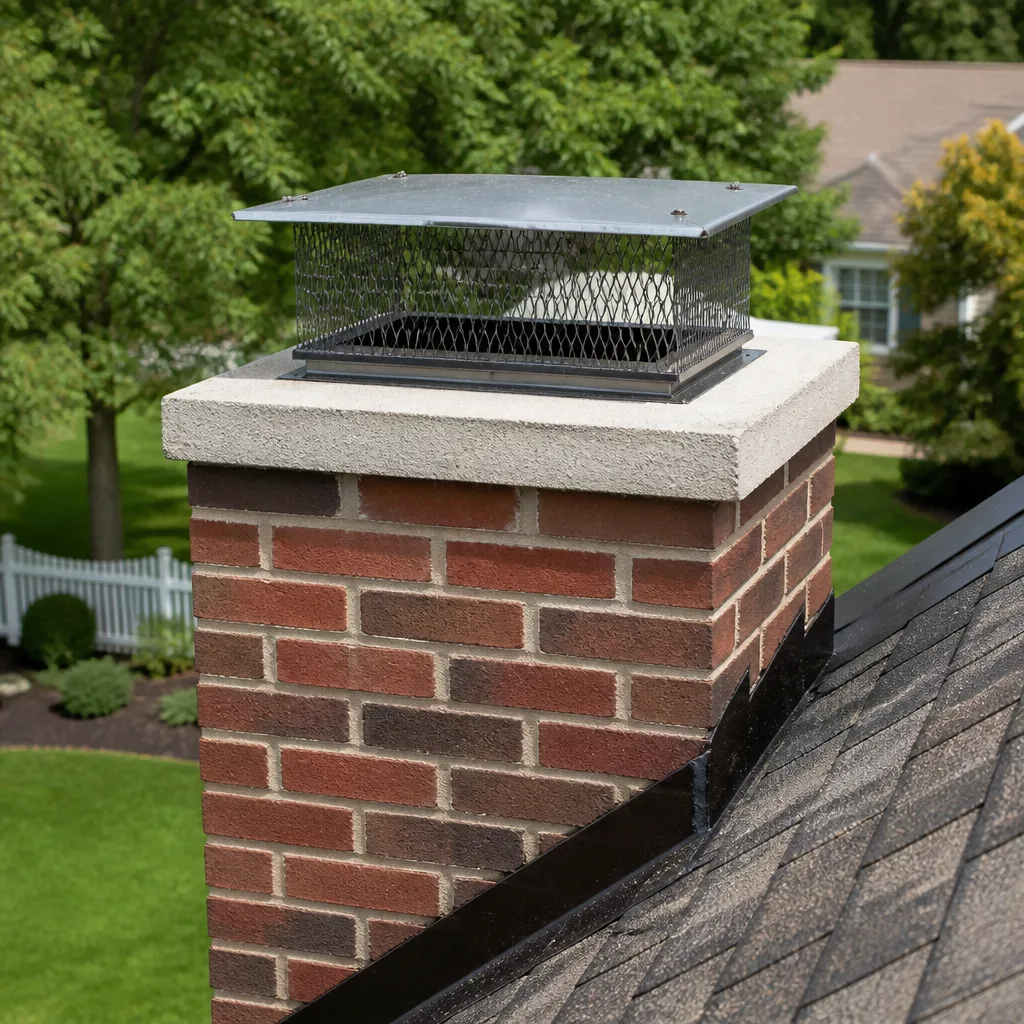
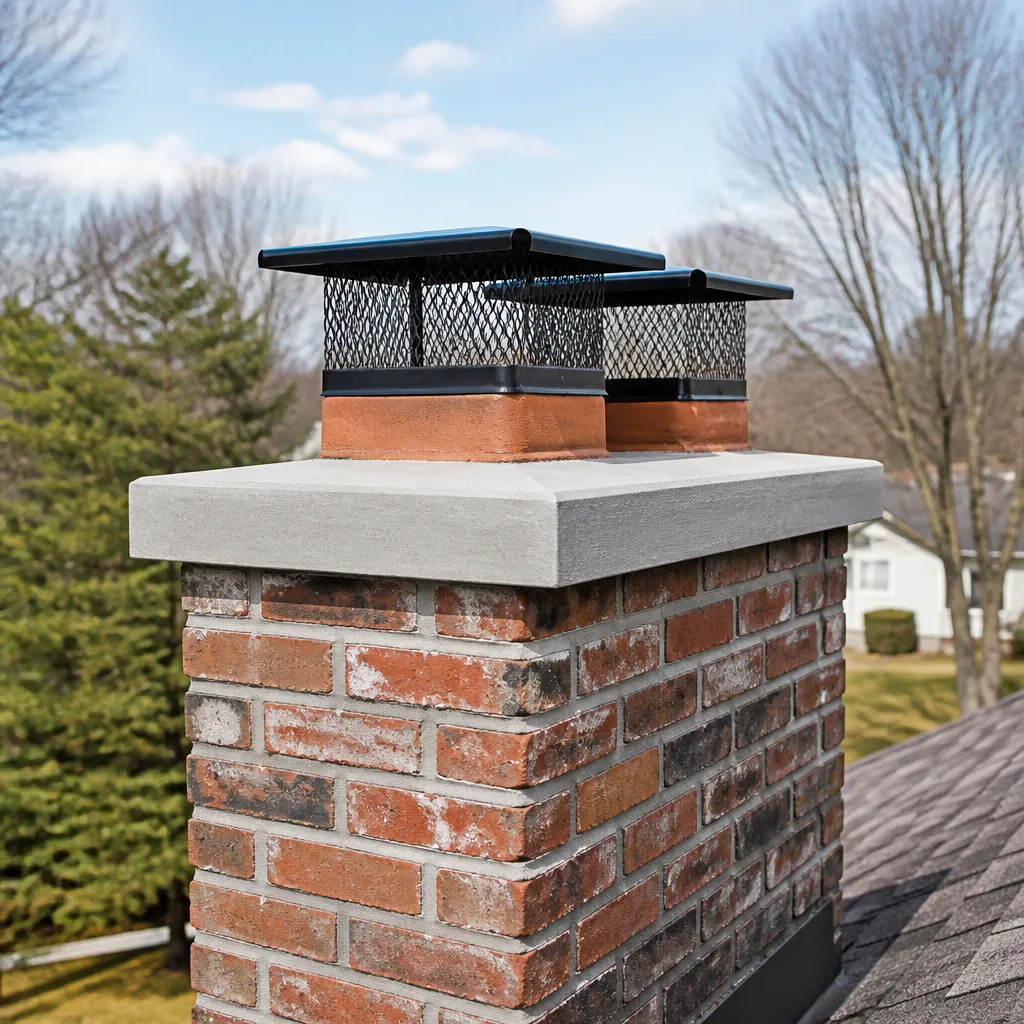
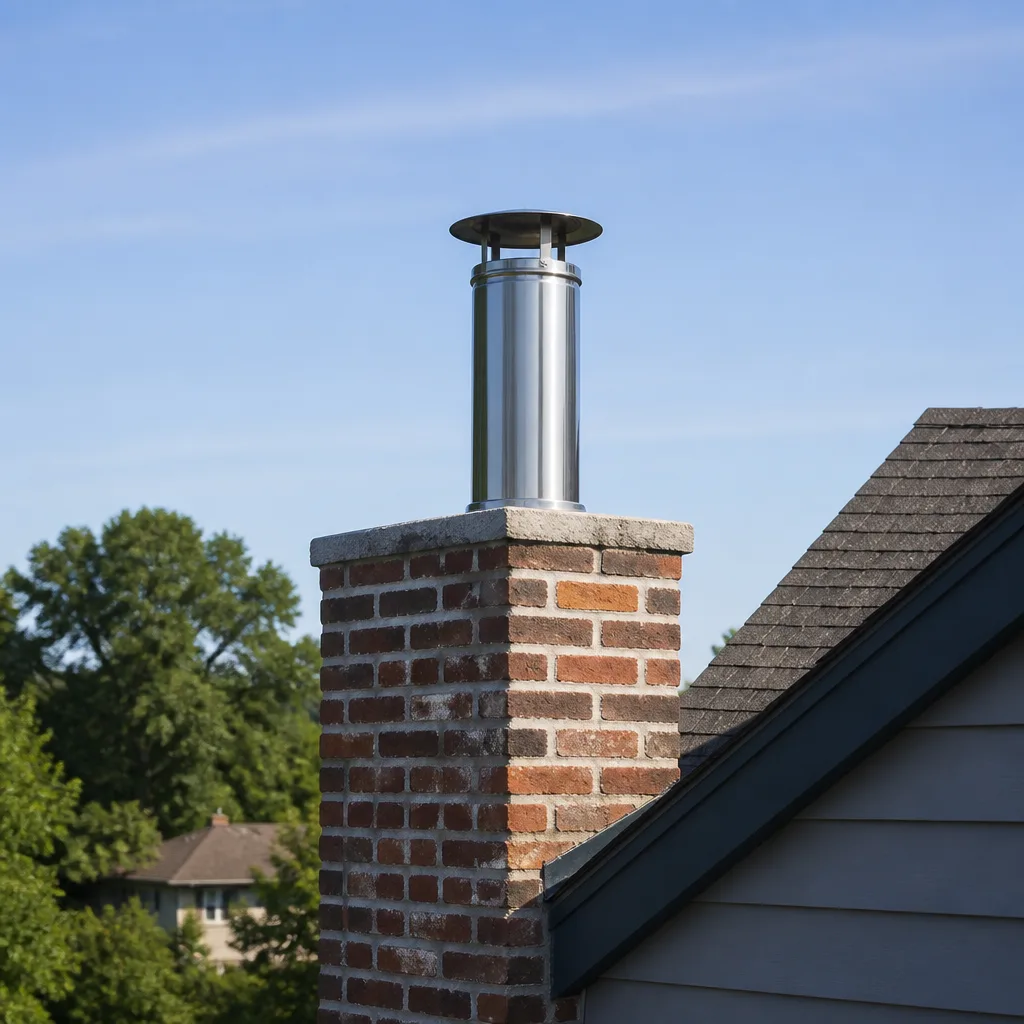
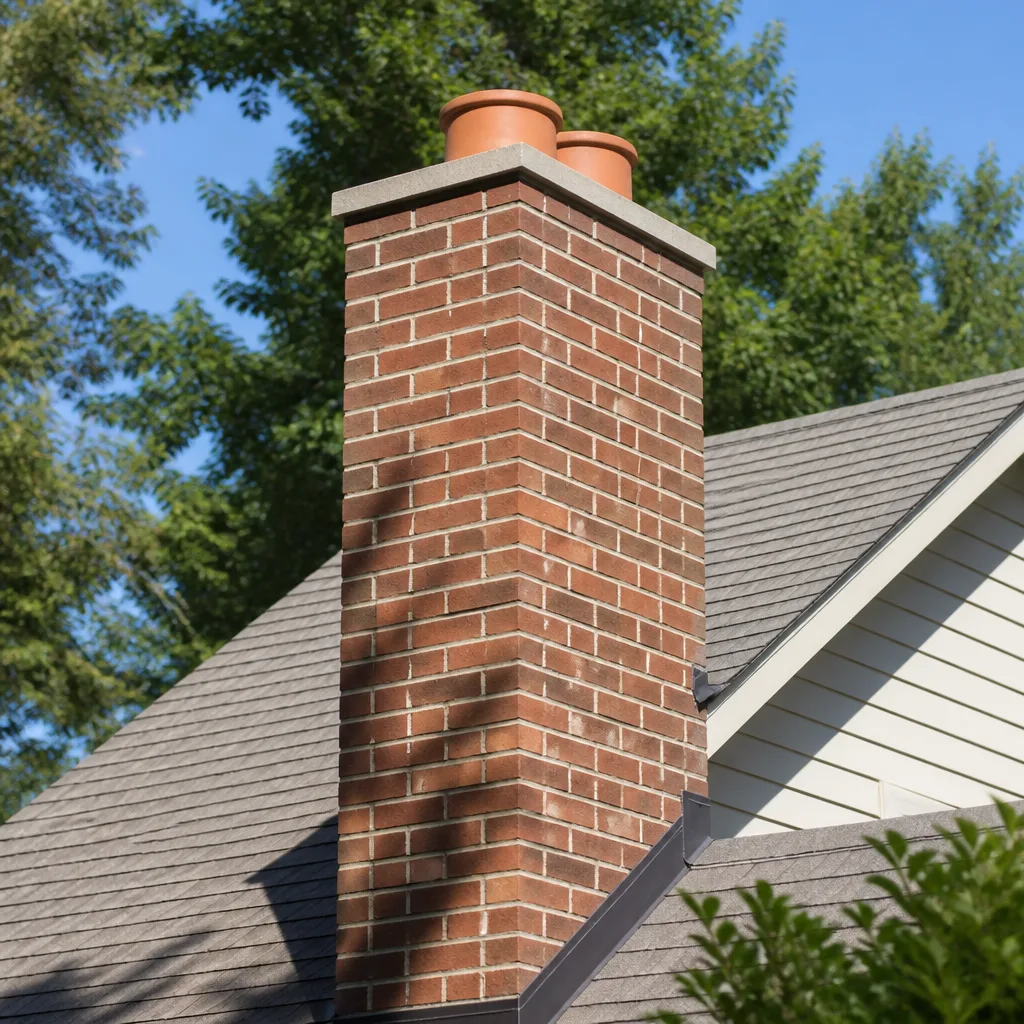
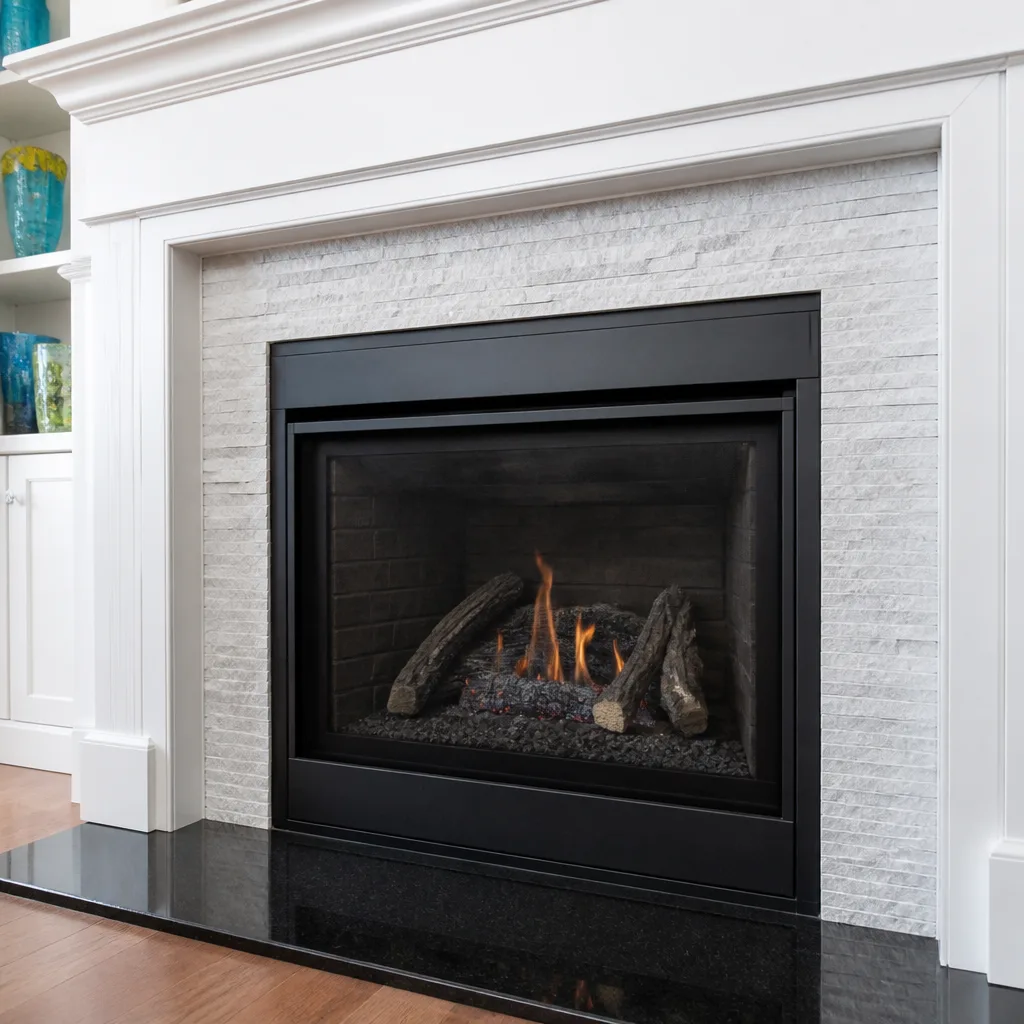
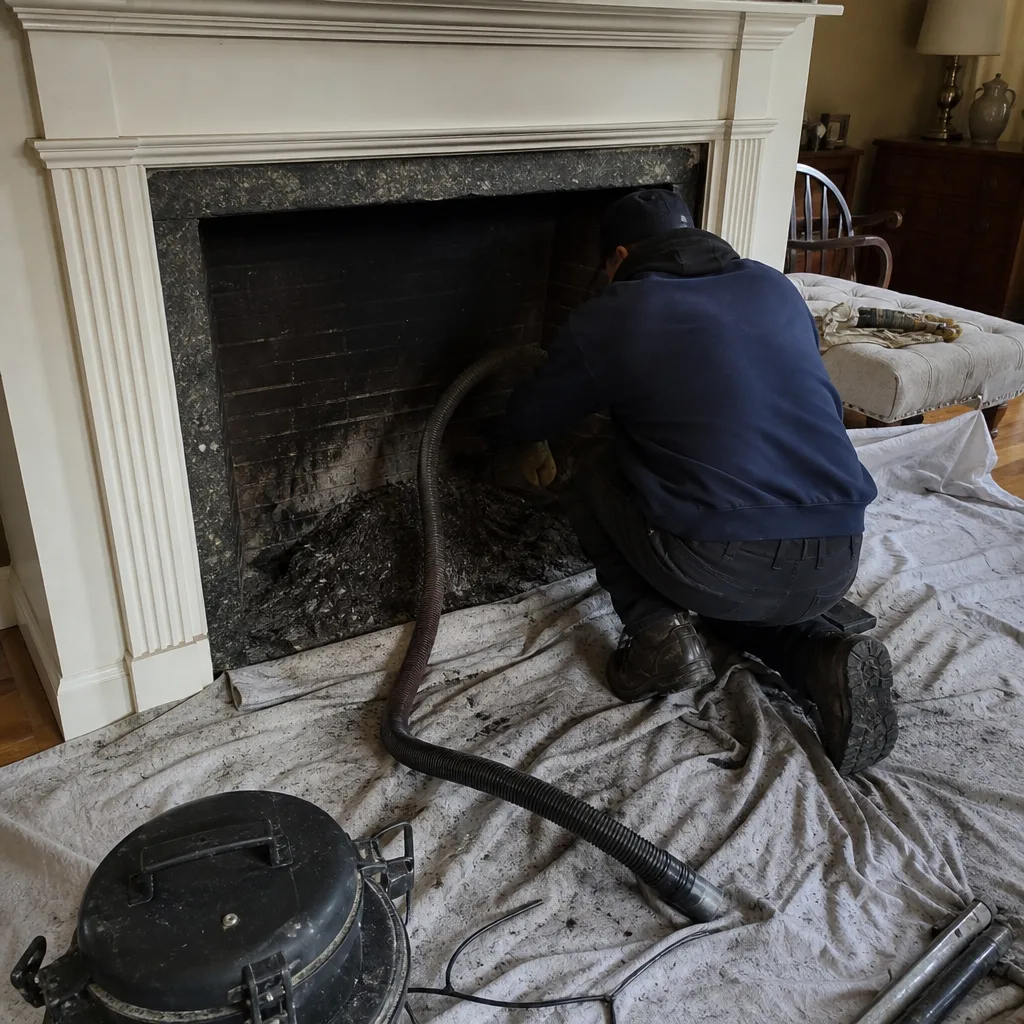 Before
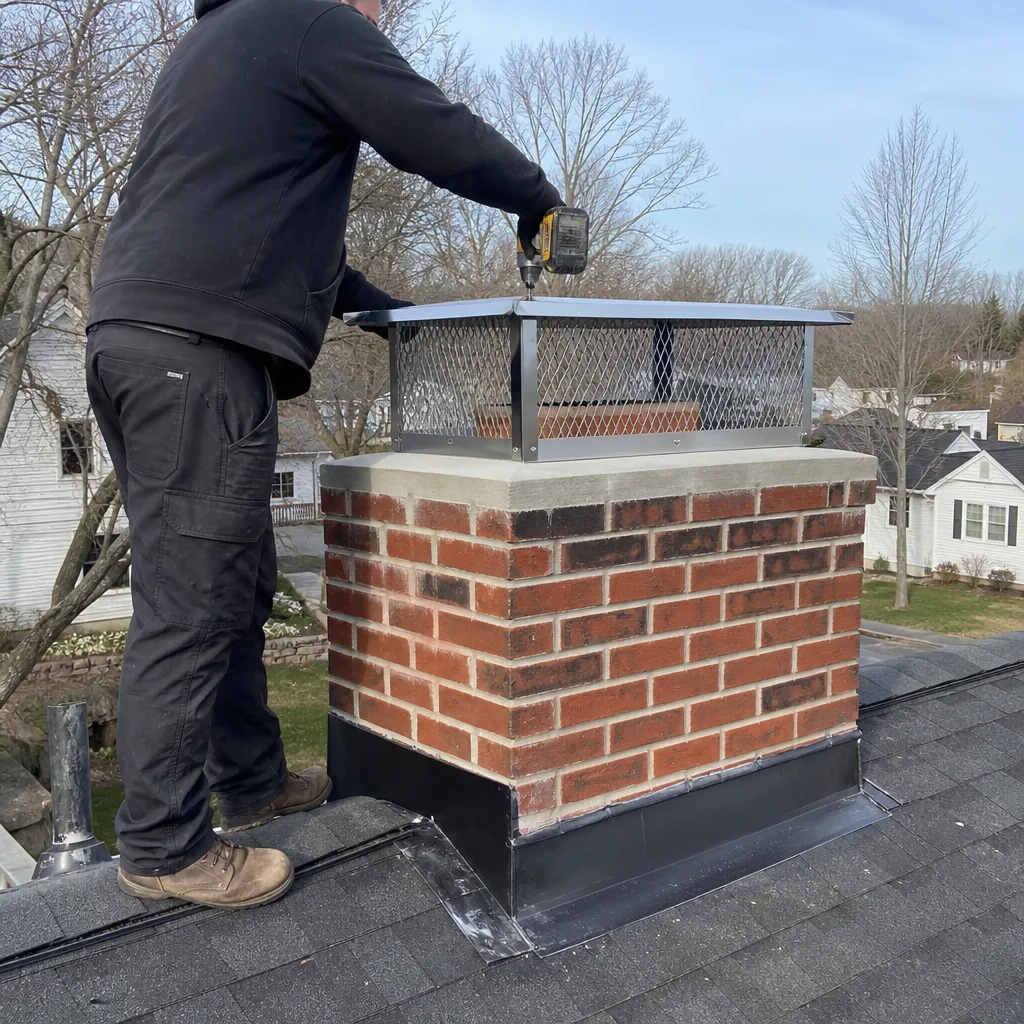 After
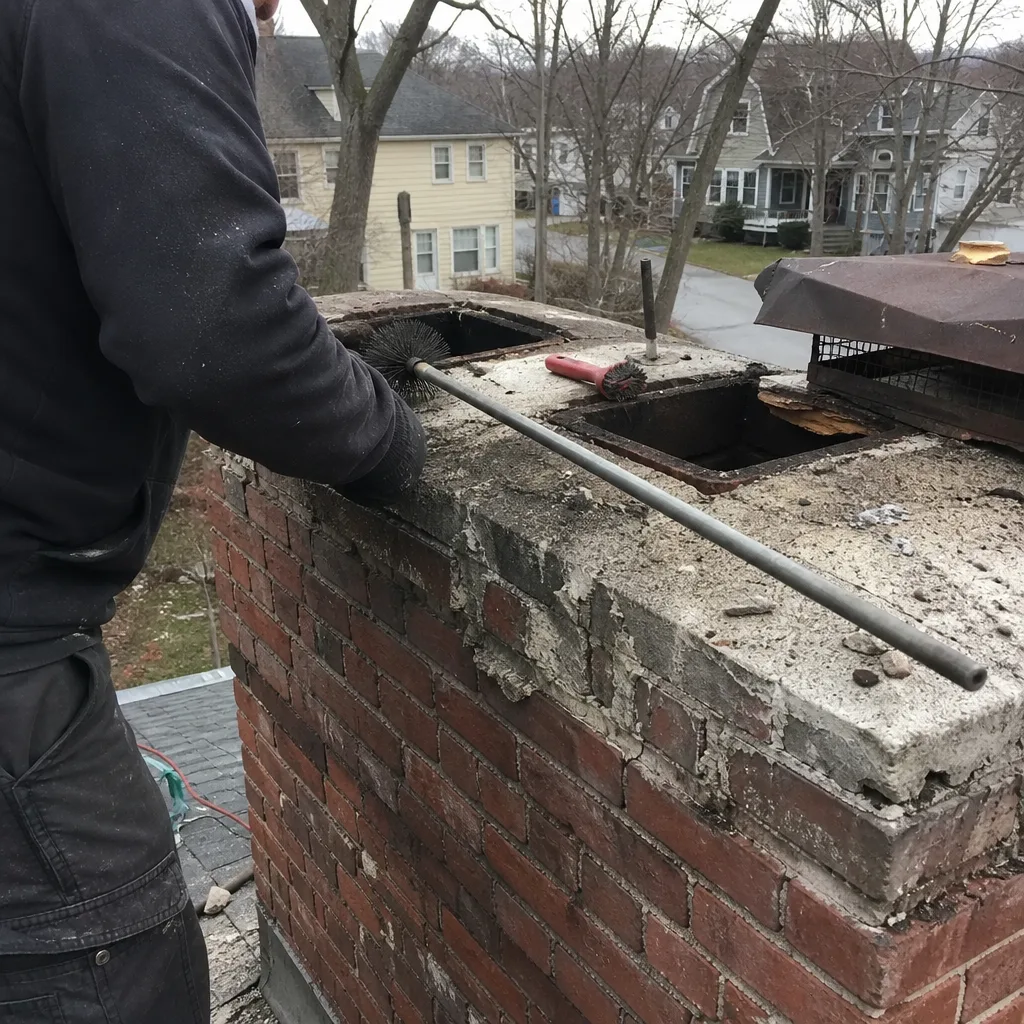 Before
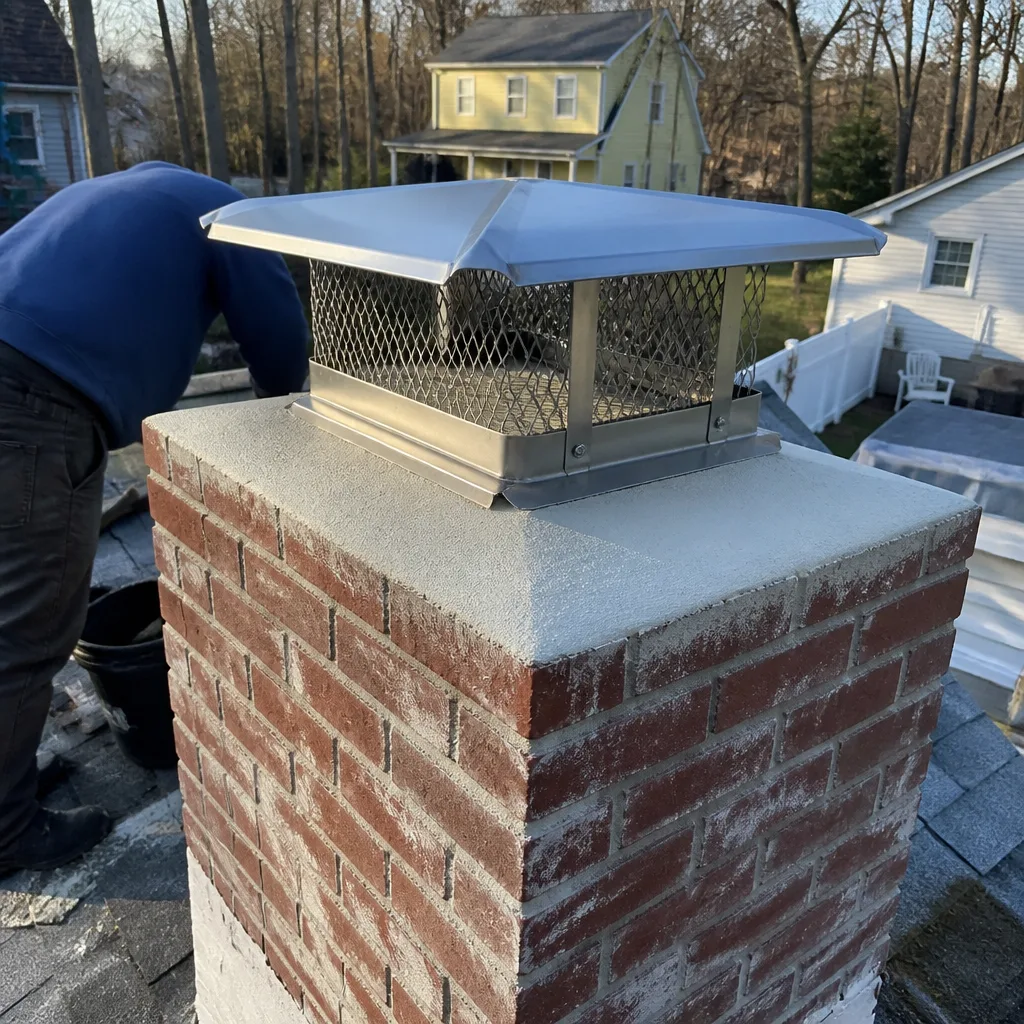 After
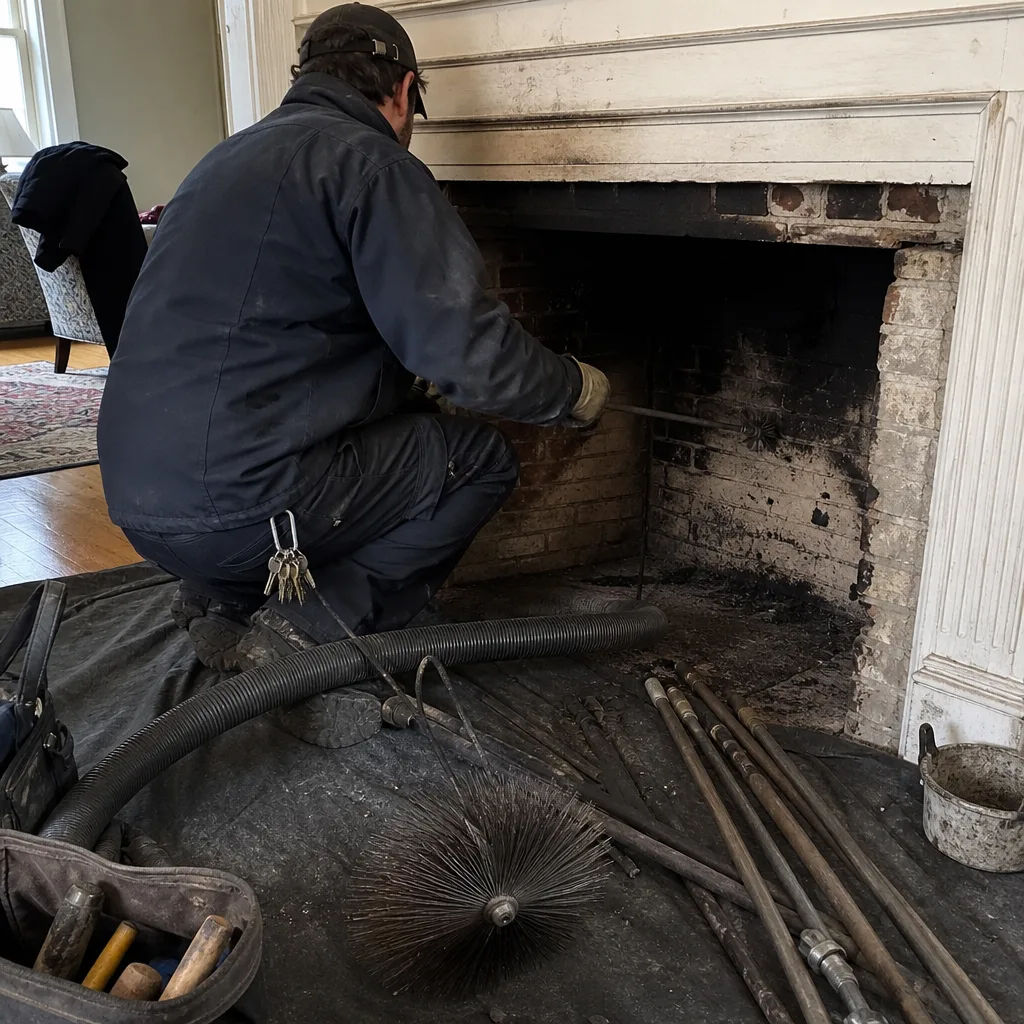 Before
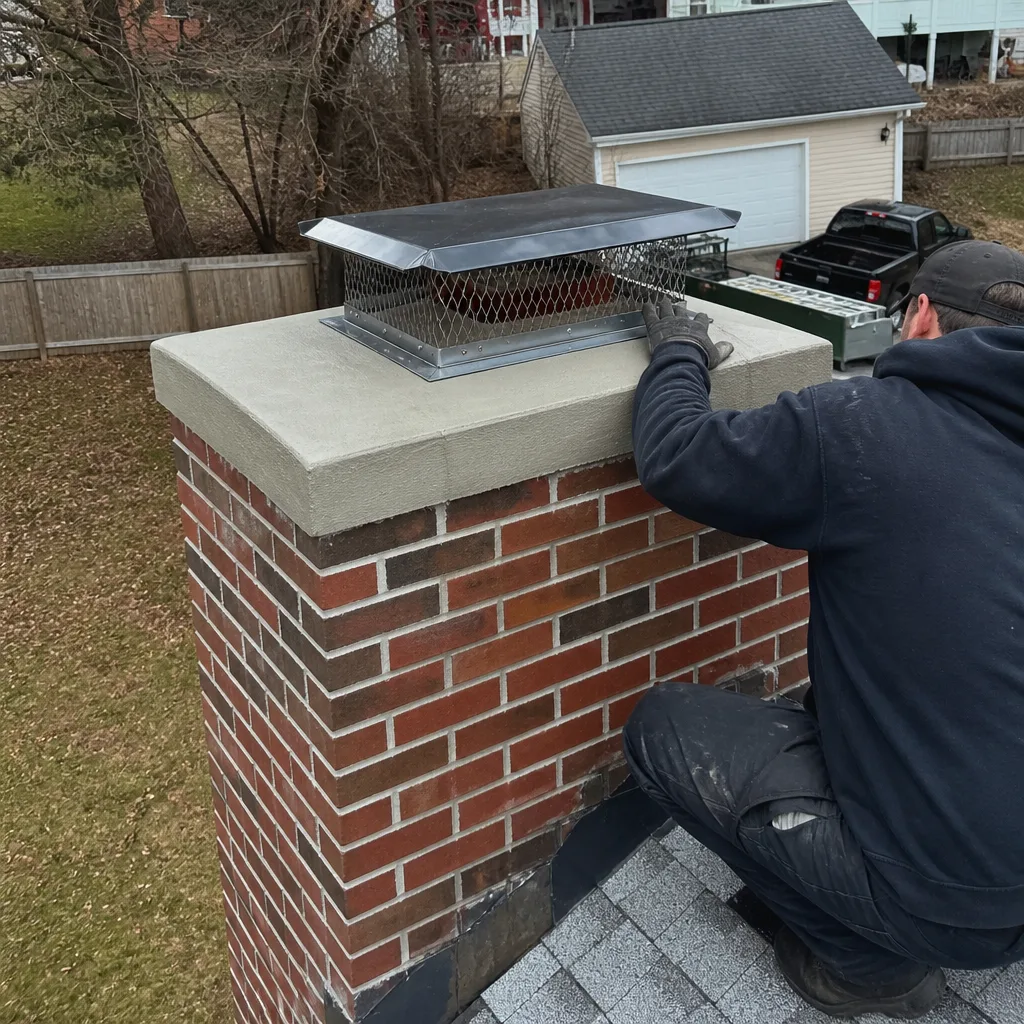 After
Seasonal Chimney Cleaning Care for Boston: Year-Round Homeowner’s Guide
The worst time to schedule a chimney cleaning in Boston is October. Not because sweeps are booked solid, though they are. Because by then you’ve already lost the summer window to catch what winter broke. In our 42 years serving this city, the homeowners who get the best service every year - the ones who never face a cold night with a failed draft or a January emergency call - schedule their Level-2 inspection in late July. This guide will show you why Boston’s chimney calendar runs year-round, what summer moisture and nesting actually do to your flue, and how to build a maintenance rhythm that costs less and catches more.
Quick Answer
Homeowners in Boston should schedule their annual chimney sweep and inspection in late July or early August, before fall bookings fill and after summer moisture damage has had time to show. Between professional visits, perform monthly visual checks of the cap, crown, and firebox, with extra attention to draft performance during April-May and September-October shoulder seasons when temperature inversions are most common. A properly maintained chimney in Boston’s freeze-thaw climate should last decades with only routine sweeping, but deferred maintenance accelerates mortar failure and liner deterioration by 3-5 years.
Table of Contents
- Why the Summer Inspection Window Beats October Booking
- Boston’s Freeze-Thaw Damage Calendar: What Breaks When
- The Hidden Danger of Shoulder Seasons: Carbon Monoxide Risk
- Your Seasonal Monthly Checklist: What to Check, When
- Building a Multi-Year Maintenance Schedule That Costs Less
- What a Professional Boston Chimney Sweep Includes
- What Chimney Maintenance Costs in Boston
- Common Mistakes to Avoid
- When to Call a Professional
- Frequently Asked Questions
Why the Summer Inspection Window Beats October Booking
Most Boston homeowners think of chimney sweeping as a fall ritual, something to check off between Labor Day and the first frost. That timing is backwards, and it costs them.
Here’s what happens to a Boston chimney between March and August that an October sweep cannot fully address:
- Moisture migration. Spring rains and summer humidity drive water into hairline cracks in the crown and mortar joints. By July, that moisture has had time to penetrate, and any freeze-thaw damage from the previous winter has opened enough to become visible. Wait until October, and you’re discovering problems at the moment you need to burn.
- Nesting season. Chimney swifts, starlings, and squirrels are active in Boston from April through July. A cap that was intact in March may be partially dislodged or clogged by August. We’ve pulled nests from flues in Back Bay brownstones and Somerville triple-deckers alike - always in summer, always discovered too late by the homeowner who waited for fall.
- Mortar cure and inspection visibility. Any tuckpointing or crown repair done in spring needs 28-60 days of cure time before hard use. Schedule in August, and repairs cure through September. Schedule in October, and you’re either burning on uncured mortar or waiting until December.
The July-August window also means your sweep has time to do the job properly. Our technicians at Chimney Cleaning & Sweep in Boston can spend the full time on a Level-2 camera inspection without the pressure of five more emergency calls behind it. Photos you can see, a plain-English verdict - documented like an engineer, explained like a craftsman. That’s the Keystone Standard.
In Dorchester and Roslindale, where we see the highest concentration of pre-1940 masonry, summer moisture penetration is particularly aggressive. The soft brick and lime mortar common in those neighborhoods absorbs water like a sponge. An August inspection catches crown deterioration before it channels water into the wythe, the gap between flue liner and brick that destroys chimneys from the inside out.
Boston’s Freeze-Thaw Damage Calendar: What Breaks When
Boston averages 24 freeze-thaw cycles per winter, with temperatures swinging above and below 32 degrees repeatedly from November through March. Each cycle is a miniature demolition event inside your chimney.
November-December: Early freeze-thaw attacks the crown first. Water that entered through summer cracks expands, opening new paths. The crown’s concrete or mortar cap - your chimney’s umbrella - begins to spall. We’ve replaced crowns in Jamaica Plain homes where the owner noticed nothing wrong until December rain started dripping into the firebox. By then the damage had been progressing since March.
January-February: Deep cold concentrates stress on the flue liner. Clay liners expand and contract at a different rate than surrounding brick. Thermal shock from a very cold start - lighting a fire after a week of disuse during a cold snap - can crack a liner that was already compromised. A cracked liner in a gas appliance is a carbon monoxide pathway. In a wood-burning fireplace, it’s a route for creosote to reach combustible framing. Both are serious. Neither gives warning.
March: The most destructive month. Days above freezing, nights below, repeated daily. Mortar joints in the top third of the chimney - the part most exposed - begin to crumble. We’ve rebuilt chimney tops in Cambridge and Brookline where March alone accounted for 60% of the annual mortar loss. The homeowner who skips spring inspection misses this entirely, because the damage is above eye level and the chimney “worked fine all winter.”
Which components fail when:
| Component | Peak Risk Months | Typical Failure Mode |
|---|---|---|
| Chimney crown | Nov-Dec, Mar | Spalling, cracking, water intrusion |
| Flue liner (clay) | Jan-Feb | Thermal shock cracking |
| Mortar joints (top third) | Mar | Freeze-thaw disintegration |
| Chimney cap | Year-round | Wind damage, corrosion, nesting |
| Flashing | Nov-Apr | Ice dam lifting, seal failure |
Professional-grade materials matter here. We use Copperfield stainless caps and Gelco screen assemblies on Boston installations because they withstand salt air from the harbor and the mechanical stress of freeze-thaw without the corrosion we see in builder-grade products. A cap that rusts through in three years is no bargain.
The Hidden Danger of Shoulder Seasons: Carbon Monoxide Risk
April-May and September-October are the most dangerous months for carbon monoxide events in Boston homes with chimneys. Not January. Not the depths of winter. The shoulder seasons.
The reason is draft physics. A chimney draws because warm flue gases are lighter than cold outside air. The greater the temperature difference, the stronger the draft. In deep winter, the stack effect is robust - gases rise, the flue stays warm, combustion byproducts exit. In mild shoulder seasons, the temperature differential collapses. The flue is slow to warm. Combustion gases linger, and spillage into the living space becomes possible.
Compounding this in Boston:
- Temperature inversions. Common in April and October, especially with coastal fog or after a cold front. Dense cold air traps warmer air below, including your chimney exhaust. The flue that drafted perfectly in January struggles in October.
- Intermittent use. Homeowners fire the system for the first “cozy” evening, not realizing the flue has been cold and damp for six months. Creosote has absorbed moisture, narrowing the passage. The first fire is the test run, and it’s happening with reduced draft margin.
- Competing appliances. Modern tight homes with range hoods, bathroom fans, and dryers create negative pressure. In shoulder season, with windows closed but no continuous heating, these appliances can overpower a weak draft.
We check draft performance in every Level-2 inspection, but the homeowner who understands shoulder-season risk behaves differently. They crack a window when first firing the system. They verify that carbon monoxide detectors are functional - not just present, but with fresh batteries and less than seven years on the manufacture date. They call when they smell anything unusual, rather than assuming it’s “just starting up.”
Our Fireplace Services in Boston include draft testing and combustion analysis for gas systems, because a blue flame that burned clean in December may not burn clean in October. The numbers tell the story. We measure them.
Your Seasonal Monthly Checklist: What to Check, When
Between professional visits, these checks take ten minutes and catch problems while they’re small. We’ve organized them by what actually happens in Boston’s climate, with more guides & resources for local homeowners.
March-April: Post-Winter Assessment
- From the ground, binoculars in hand, scan the chimney top for missing mortar, crown cracks, or cap displacement. Don’t climb. Don’t lean a ladder against the chimney - it damages flashing. If you can’t see clearly, that’s information too.
- Check the firebox for white efflorescence or damp stains, signs that water has entered the system.
- Test your carbon monoxide detector. Press the button. Note the manufacture date. Replace at seven years regardless of function.
- Schedule your summer inspection now, before May vacations absorb your attention.
May-June: Nesting Season Vigilance
- Listen for bird activity at the chimney top, especially morning and evening. Chimney swifts are protected; if they’re in, you must wait until they leave. Prevention is the only control.
- Check the attic or upper-floor ceilings near the chimney for water stains. Spring rains reveal winter crown damage.
- Verify that your chimney cap screen is intact. A quarter-sized hole admits a starling.
July-August: Professional Inspection Window
- Book your Level-2 inspection and sweep. This is not a DIY month - the camera inspection and combustion analysis require training and equipment.
- Review last year’s report. Has recommended work been completed? Is warranty documentation accessible?
- Order cordwood if you burn wood. Seasoned hardwood needs six months minimum; green wood burned this winter is a creosote factory.
September-October: Pre-Season Verification
- Visually confirm the cap is present and secure after summer storms.
- Open the damper fully. Verify it moves freely and seals reasonably when closed - some leakage is normal, binding is not.
- Light a small test fire or run the gas system briefly. Smell for unusual odors. Check that smoke or exhaust drafts upward, not into the room.
November-February: Safe Burning Practices
- Burn only seasoned hardwood. No Christmas wrapping paper, no pressure-treated lumber, no “just this once” green wood.
- Empty ash containers into metal with a lid, stored away from combustibles. Boston’s old framing is dry as tinder.
- Never close the damper with embers present. Never.
- If you notice reduced draft, smoke spillage, or detector alarms, stop burning and call. These are not “wait and see” symptoms.
Building a Multi-Year Maintenance Schedule That Costs Less
A chimney that is caught up - liner sound, crown intact, mortar tight - requires less intervention over time. A chimney that is behind - deferred crown repair, patched liner, spalling brick - accelerates into expensive territory. The difference is not luck. It’s scheduling.
Here’s the maintenance arc we see in Boston homes that stay ahead of problems:
Year 1: Baseline. Full Level-2 inspection with camera documentation. Sweep. Address any deferred maintenance from previous owners. Establish the condition of liner, crown, flashing, and masonry. This is the most expensive year if the chimney has been neglected, but it sets the foundation.
Years 2-5: Maintenance rhythm. Annual sweep and inspection. Minor crown sealing or tuckpointing as needed. Cap replacement if corroded. The chimney is stable; costs are predictable and modest.
Year 6-10: Component renewal. Depending on exposure and materials, the crown may need resurfacing (we use HeatShield crown coat systems where appropriate). Liner inspection becomes critical; clay liners in heavy-use wood systems may show thermal fatigue. Flashing replacement if original installation is aging.
Year 10+: Long-horizon planning. With proper care, a masonry chimney in Boston lasts 50-100 years. Without it, rebuilds start at year 25. The difference is the maintenance schedule above.
Neighborhood context matters. In South Boston and Charlestown, where salt air accelerates metal corrosion, caps and flashing need more frequent attention. In Newton and Brookline, where mature trees drop debris and harbor squirrels, cap screens require annual verification. In Roxbury and Mattapan, with significant pre-war housing stock, original clay liners are often unlined or lined with deteriorated terra cotta that needs careful monitoring.
We document every inspection with dated photos and a written verdict. Over years, this creates a condition history that reveals trends - crown degradation rate, liner movement, mortar loss pattern - and allows informed decisions about timing. No one likes surprises on the bill. A multi-year schedule eliminates them.
What a Professional Boston Chimney Sweep Includes
The term “chimney sweep” covers varying levels of service. In Boston, where housing stock ranges from 18th-century Beacon Hill chimneys to 1980s prefab fireplaces, the specifics matter.
Our standard sweep and inspection includes:
- Full interior flue sweep with professional-grade brushes and HEPA vacuum, protecting your home from soot dispersal
- Level-2 camera inspection: video documentation of the entire flue, firebox, smoke chamber, and accessible exterior
- Crown, cap, and flashing condition assessment from roof level
- Damper operation and seal check
- Combustion analysis for gas appliances (CO level, draft pressure, gas pressure where accessible)
- Written report with photos, plain-English verdict, and prioritized recommendations
We use Olympia Chimney professional sweep rods and brushes, sized to the flue, because mismatched tools damage liners. For stainless liner installations, DuraFlex and Famco components meet the standards we apply to our own homes.
The 90-Day Done Right Promise governs every job: Krafted right, Every time, Your home first, Standing behind it. In writing, no arguing. If it’s not right, we come back. That’s been our standard since 1984.
Chimney Repair in Boston becomes necessary when inspection reveals conditions beyond sweeping scope - cracked liners, deteriorated crowns, failed flashing, or structural concerns. We separate “must do now” from “watch and plan” so you can budget intelligently.
What Chimney Maintenance Costs in Boston
Pricing in Boston reflects labor costs, parking and access challenges in dense neighborhoods, and the condition of aging housing stock. These ranges are current for our market and based on actual invoices from the past 24 months:
| Service | Typical Range | Notes |
|---|---|---|
| Level-2 sweep and inspection | $249-$349 | Includes camera inspection, photos, written report |
| Crown repair / resurfacing | $450-$1,200 | Depends on accessibility and extent; minor sealing vs. full rebuild |
| Chimney cap replacement (stainless) | $280-$550 | Custom sizes or multi-flue caps higher |
| Tuckpointing (per square foot) | $18-$32 | Scaffold or boom access adds cost in tight Boston lots |
| Stainless liner installation | $2,800-$5,500 | Wood-burning systems; gas inserts lower |
| Fireplace damper replacement | $380-$750 | Top-sealing energy-efficient dampers at higher end |
Our standing offers: $50 off any repair over $250, free second opinion on any written estimate, $89 seasonal tune-up for gas fireplace systems, and a permanent 5% senior and veteran discount. No-hassle upfront pricing means the number on the estimate is the number on the invoice.
Call (857) 597-5950 for an exact quote - estimates are free.
Common Mistakes to Avoid
- Waiting for “burning season” to schedule. By October, quality sweeps in Boston are booked 3-4 weeks out. You’re choosing between delayed service and whoever still has availability. Neither serves you well.
- Ignoring the shoulder-season smell test. A faint exhaust odor when first firing the system in October is not “just dust burning off.” It’s incomplete combustion with reduced draft. Address it.
- Hiring based on coupon alone. The $99 sweep that skips the camera inspection, doesn’t go on the roof, and leaves soot on your mantel is not a deal. It’s a missed diagnosis that costs thousands later.
- Assuming gas fireplaces need no maintenance. Gas systems produce corrosive condensation, accumulate debris, and suffer liner deterioration. They require annual inspection with combustion analysis, not just a visual glance.
- Deferring crown repair because “it’s not leaking yet.” In Boston’s climate, a cracked crown is already leaking. Water travels through masonry, not through your ceiling, until the damage is extensive. The drip into your firebox is the final symptom, not the first.
- DIY liner inspection with a hardware-store camera. Consumer bore scopes lack the lighting, articulation, and resolution to evaluate flue condition. Worse, they give false confidence. We’ve found cracked liners that homeowner cameras missed entirely because the crack was on the upper surface, invisible from below without proper equipment.
- Neglecting the attic inspection point. Water stains on attic sheathing near the chimney often appear before any interior symptom. Check annually, especially after March freeze-thaw cycles.
When to Call a Professional
Call when you see white efflorescence on exterior brick - it signals active water intrusion. Call when the damper sticks or won’t seal. Call when you smell exhaust, however faint, or when your CO detector alarms for any reason beyond a known battery issue. Call after any chimney fire, even one you believe was minor, because thermal damage to liners is often invisible and always serious.
Call before you need to. The homeowner who calls in July for an August appointment gets thorough service, documented condition, and time to plan any needed work. The homeowner who calls in November with no heat gets emergency rates, limited scheduling options, and the stress of a cold house.
Hearthstone Chimney Co. offers free estimates in Boston. A live person answers every call, 24 hours a day, 7 days a week - not a voicemail, not a callback queue. Call (857) 597-5950.
Frequently Asked Questions
A professional Level-2 chimney sweep and inspection in Boston typically costs $249-$349, including camera documentation, photos, and a written report. Prices vary based on accessibility, number of flues, and appliance type. Call (857) 597-5950 for an exact quote - estimates are free.
The National Fire Protection Association recommends annual inspection for all chimney systems, with sweeping frequency based on use and fuel type. In Boston’s climate, we advise annual sweep and inspection for wood-burning systems, and annual inspection with biennial sweeping for gas systems that see moderate use. Heavy-use wood stoves may need mid-season sweeping. The 90-Day Done Right Promise covers every Hearthstone service.
You should never accept a liner replacement recommendation without seeing camera documentation of the damage. At Hearthstone, we show you the photos, explain the failure mode in plain English, and separate “must do now” from “watch and plan.” A cracked clay liner in a wood-burning system is a fire hazard - that’s not upselling, that’s physics. But you deserve to see the evidence yourself. Free second opinions on any written estimate are a standing offer.
Deferred maintenance accelerates deterioration by 3-5 years in Boston’s climate. Creosote accumulation increases chimney fire risk. Moisture intrusion destroys mortar from within. Cracked liners permit carbon monoxide migration or house fires. The cost pattern is predictable: skip $300 annual maintenance, face $3,000-$8,000 rebuild or liner replacement 10 years sooner than necessary. Call (857) 597-5950 to get back on schedule.
Reduced temperature differential between flue gases and outside air weakens draft during shoulder seasons. This is normal physics, but it can become dangerous if combined with a partially blocked flue, negative house pressure from exhaust fans, or a cold, damp flue that hasn’t been used in months. Annual inspection verifies that your system has adequate draft margin for all conditions.
We do not recommend DIY sweeping for Boston’s masonry chimneys. Proper evaluation requires roof access, camera inspection, and combustion analysis equipment that homeowners do not own, along with knowledge of chimney cleaning permits, codes & inspections in MA. More critically, DIY sweeping without proper technique can damage clay liners, compact rather than remove creosote, or miss conditions that a trained eye catches. This is skilled work. We’ve been doing it since 1984.
The Bottom Line
Boston’s chimney calendar rewards the homeowner who thinks in years, not seasons. Schedule your professional inspection in late July or early August, when summer damage is visible and fall pressure hasn’t begun. Perform seasonal checks that match our actual climate: moisture vigilance in spring, nesting awareness in early summer, draft caution in shoulder seasons, and safe burning discipline in winter. Build a multi-year maintenance rhythm that catches problems small and documents condition over time. The chimney that is kept up costs less, lasts longer, and never leaves you cold. Done right - and we stand behind it.
Written by Russell Haines, Owner at Hearthstone Chimney Co., serving Boston since 2014.