
Level 1 sweep and inspection to the NFPA 211 annual standard - flue, crown, cap, and flashing checked and photographed
Chimney sweep logs do not sweep chimneys. They loosen some creosote - which then falls where a brush and vacuum still have to collect it.
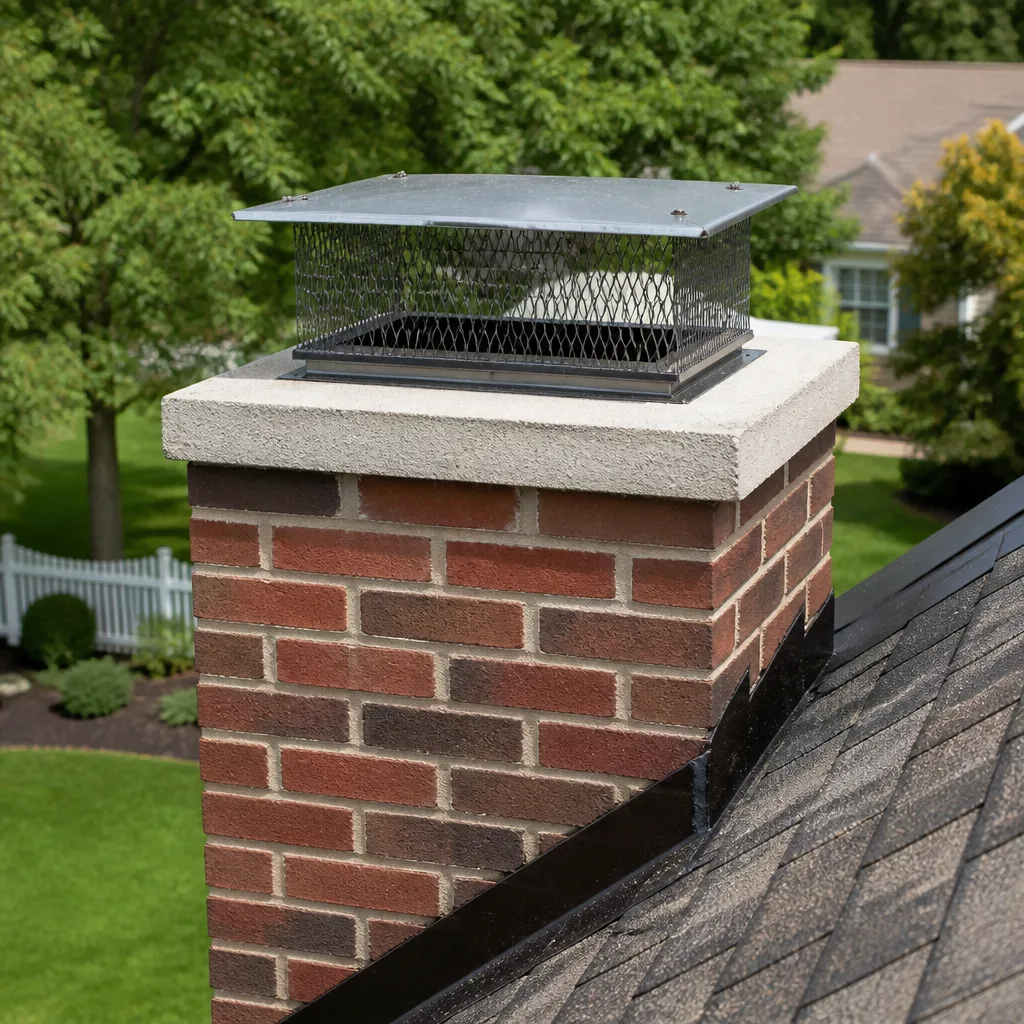
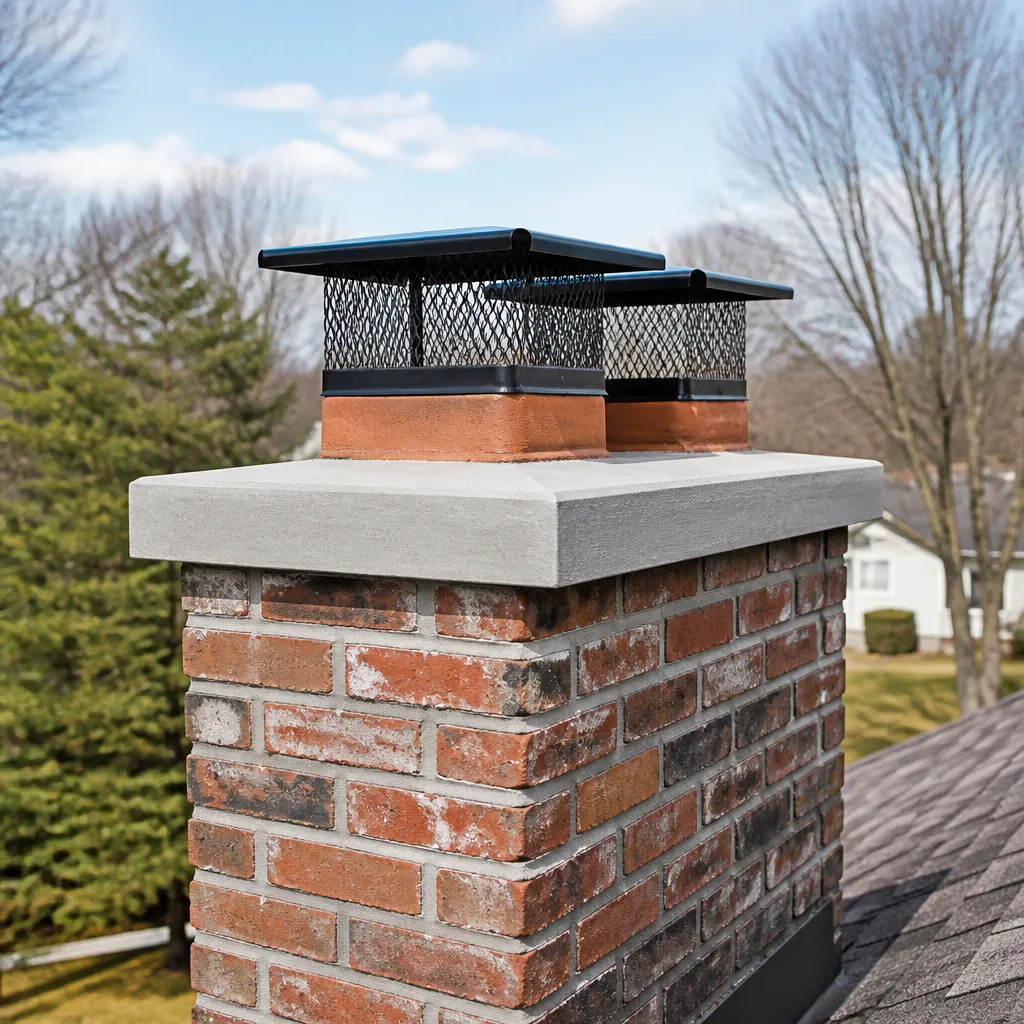
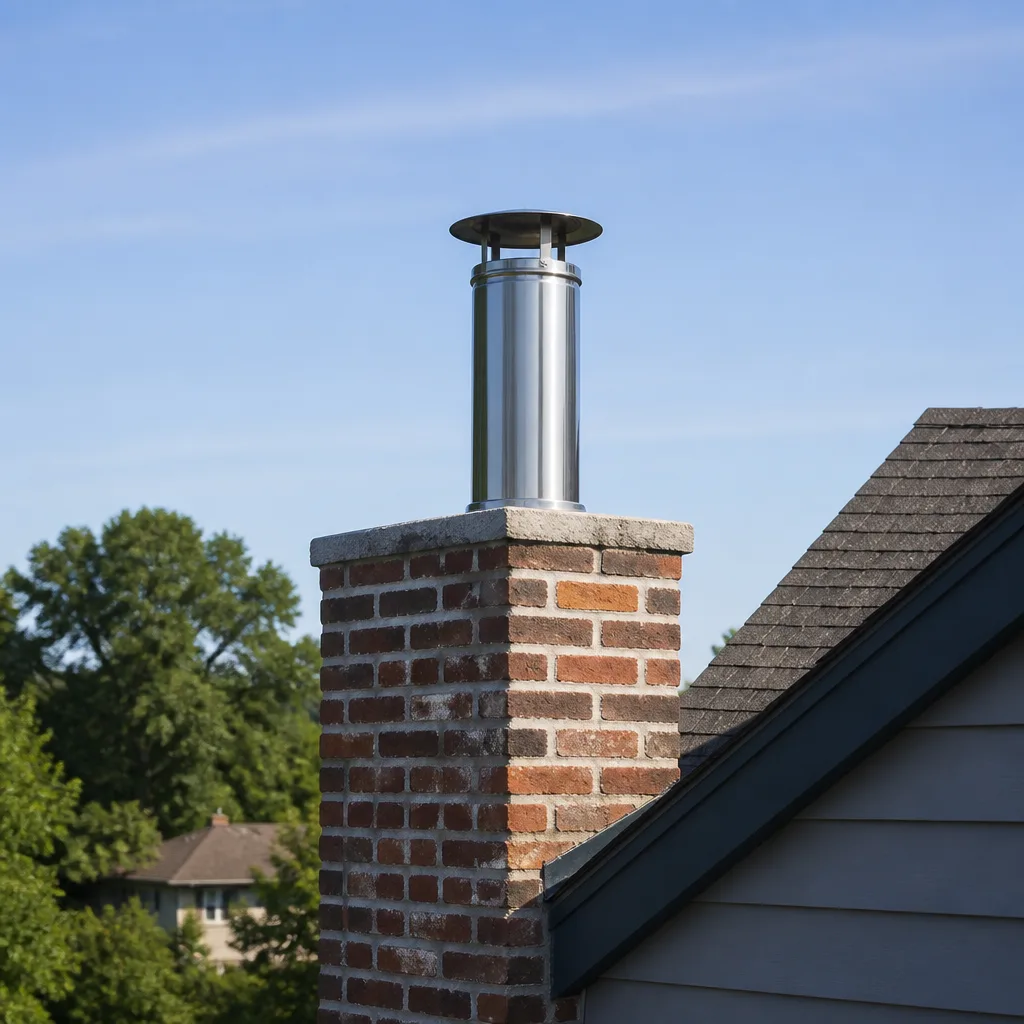
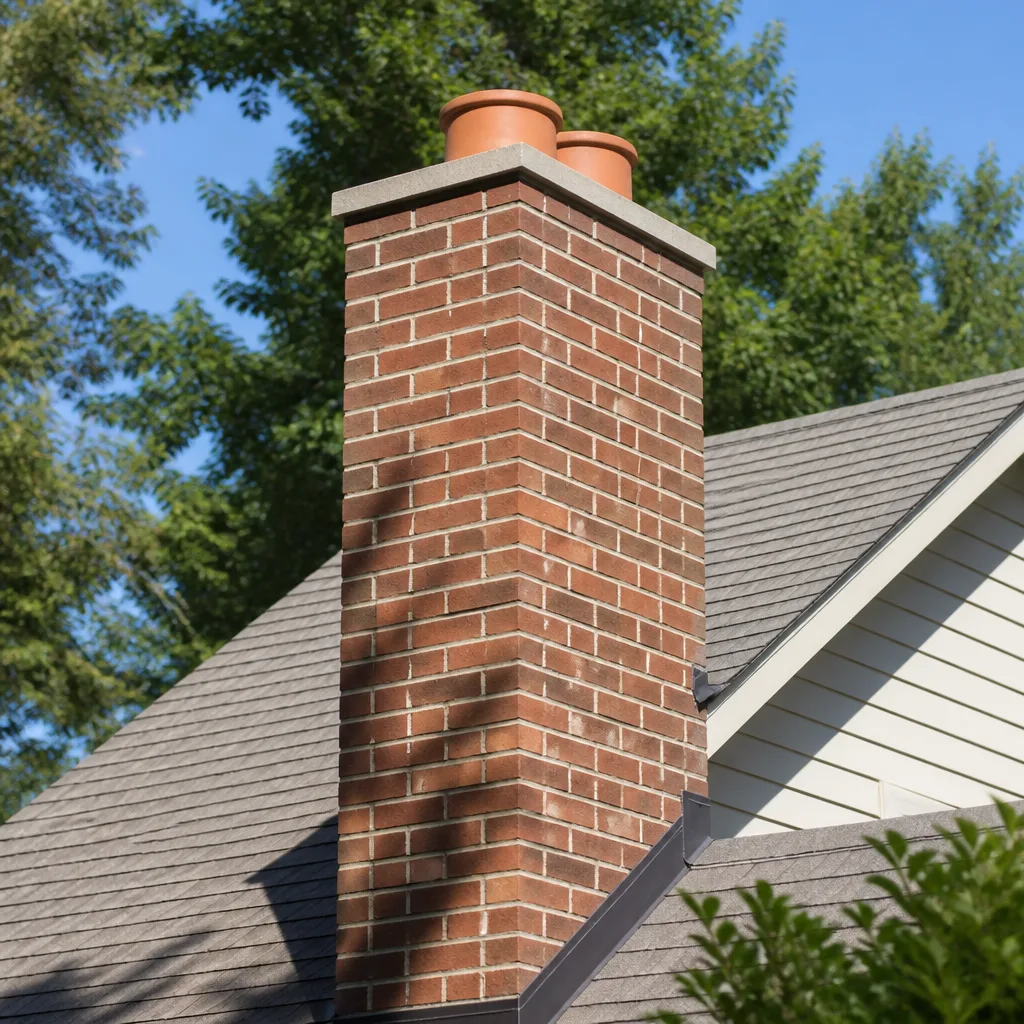
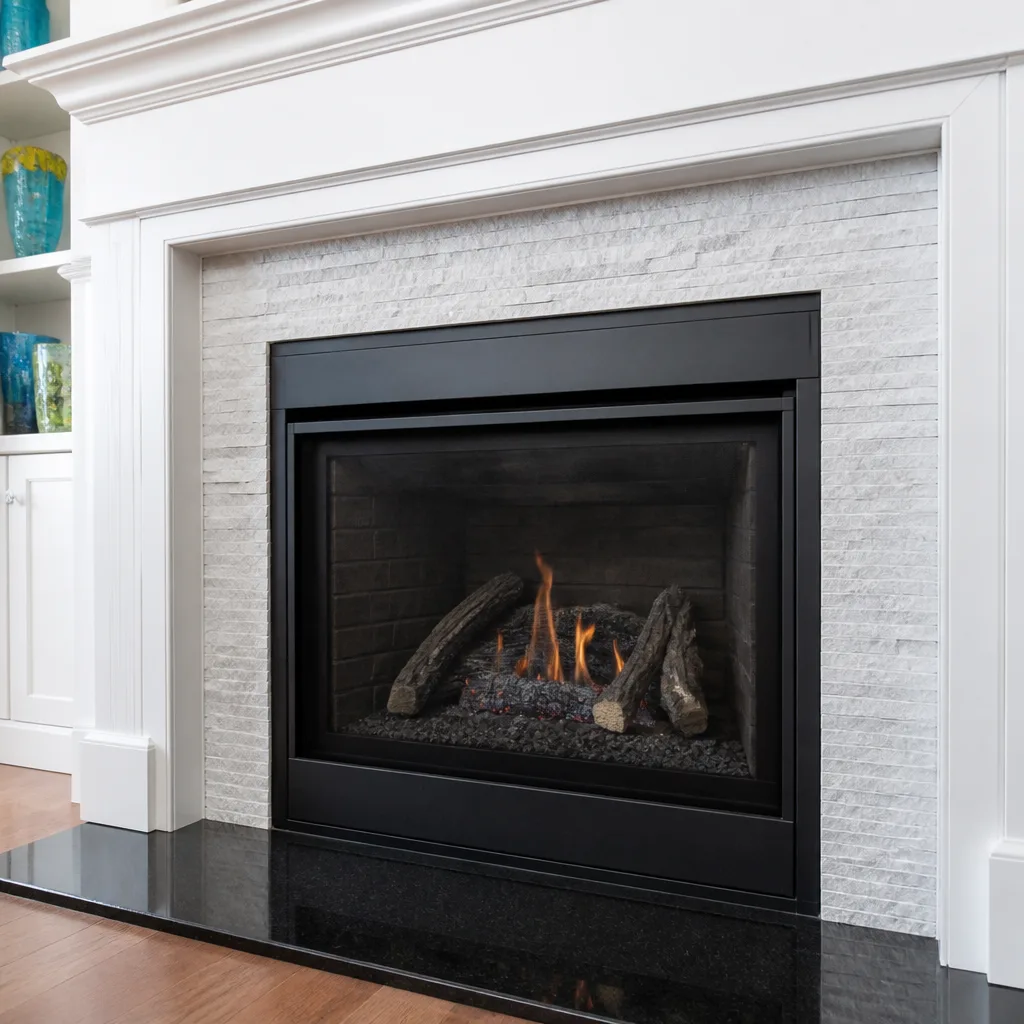
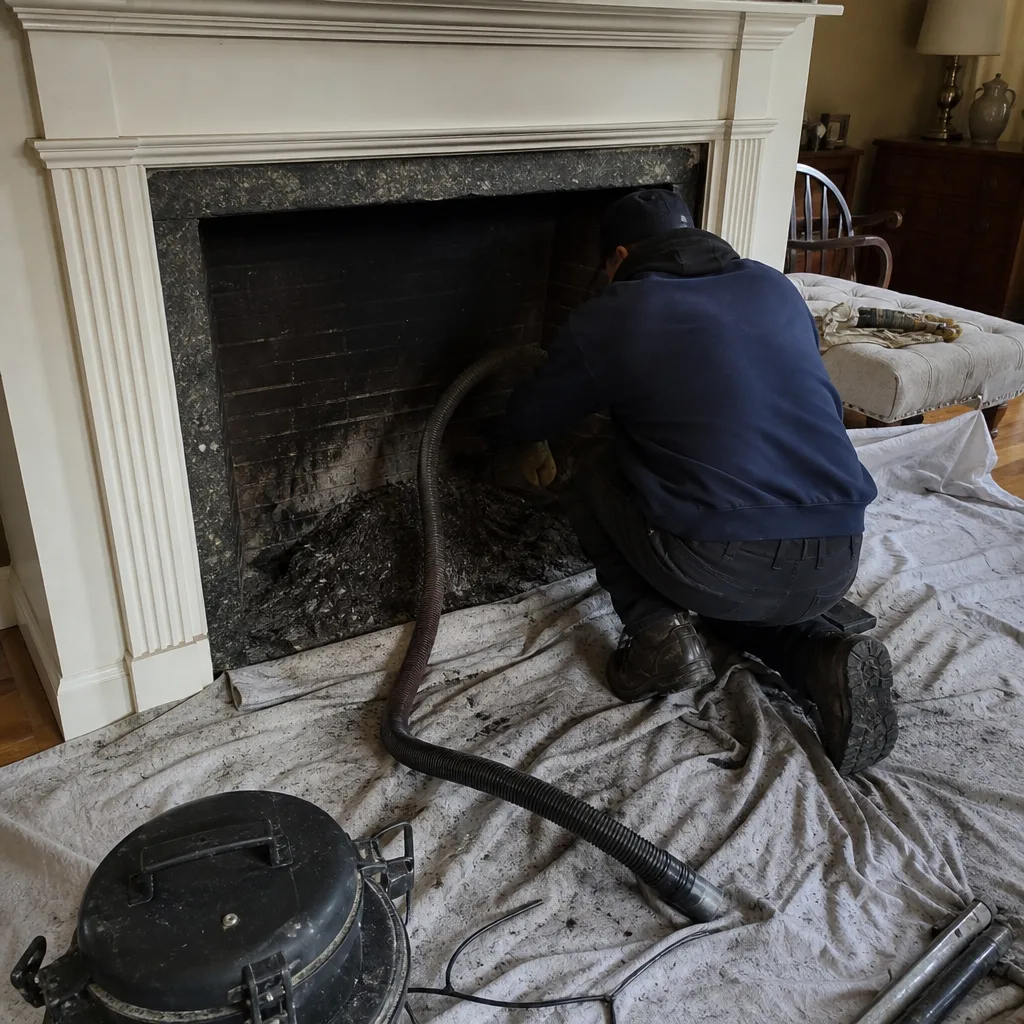 Before
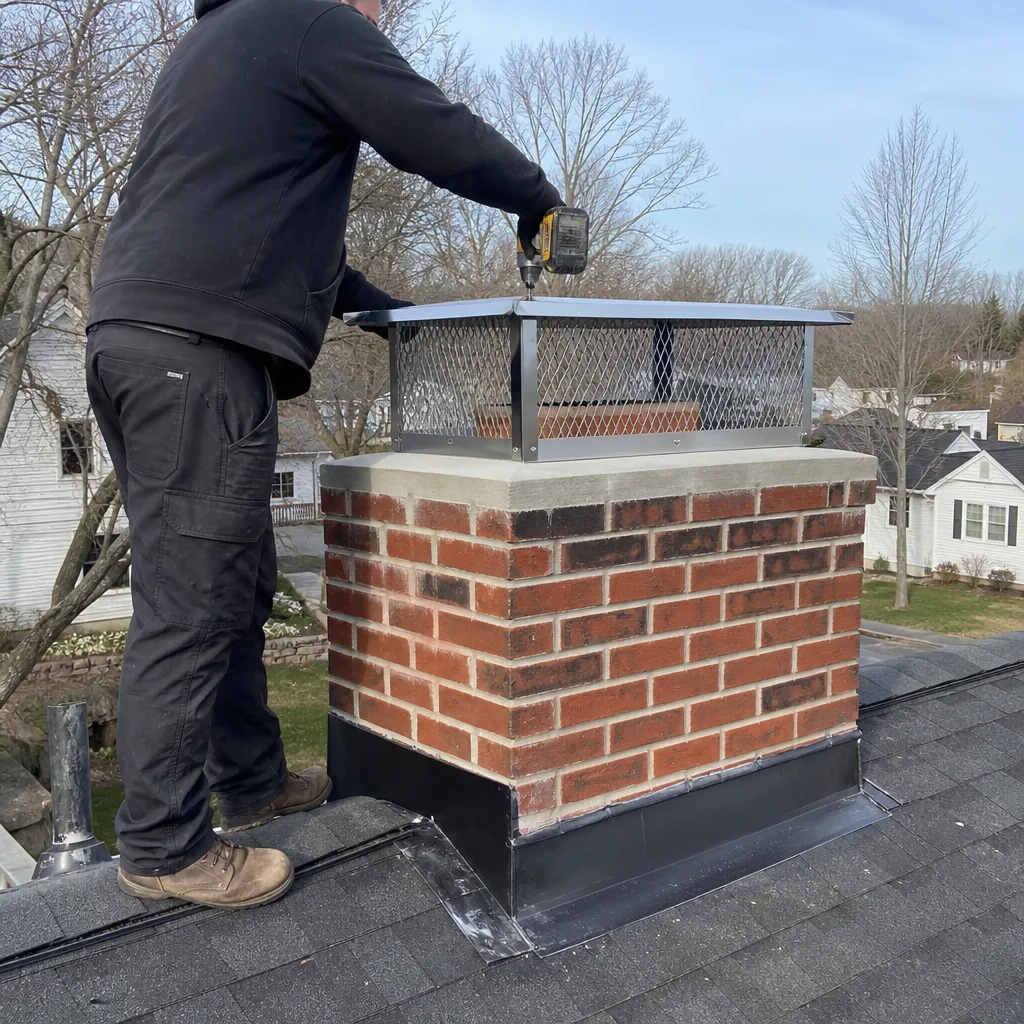 After
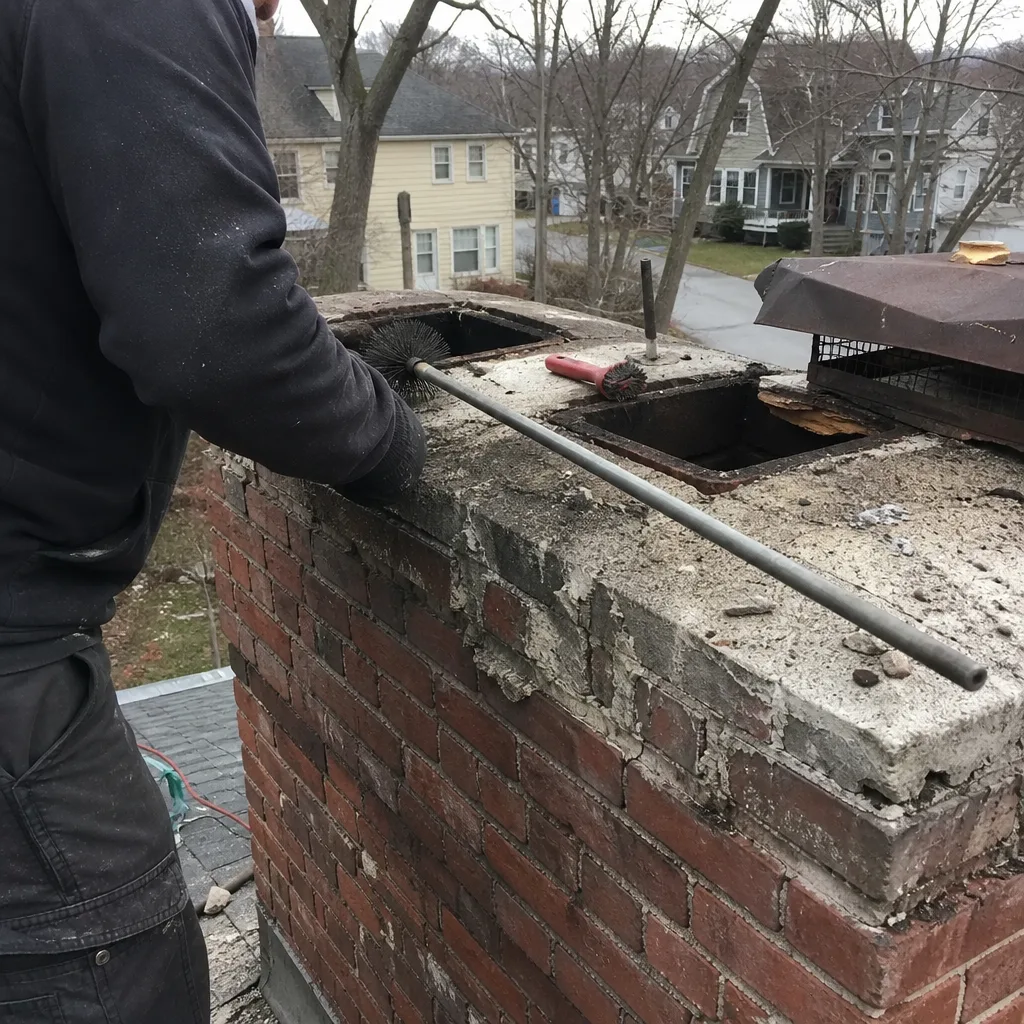 Before
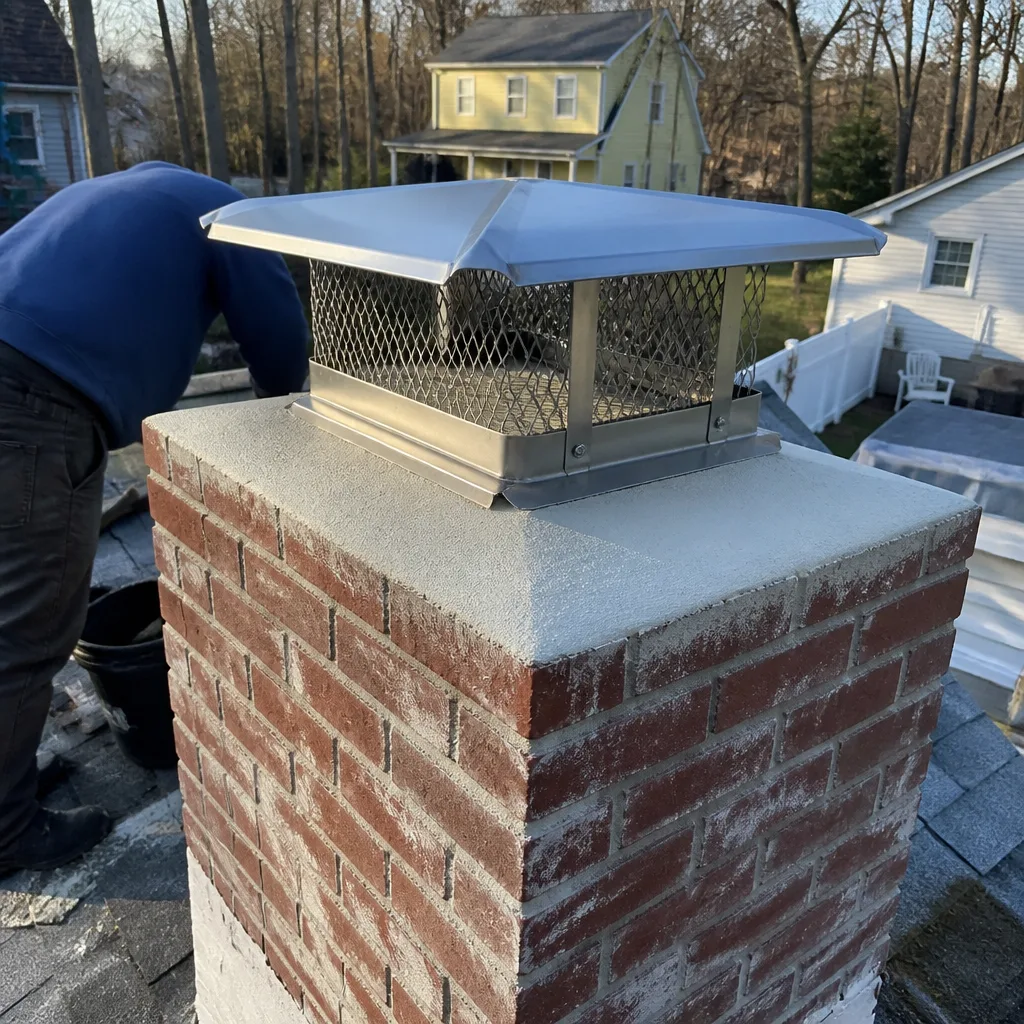 After
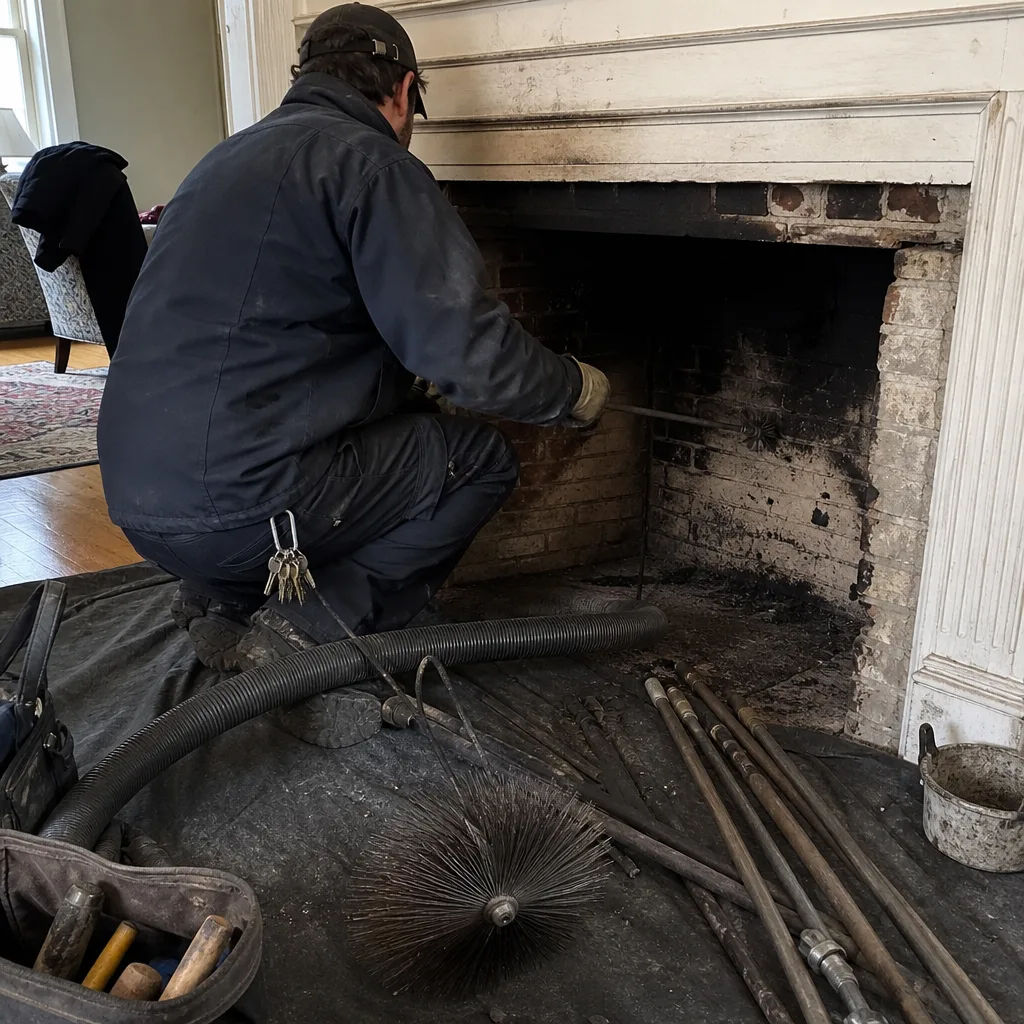 Before
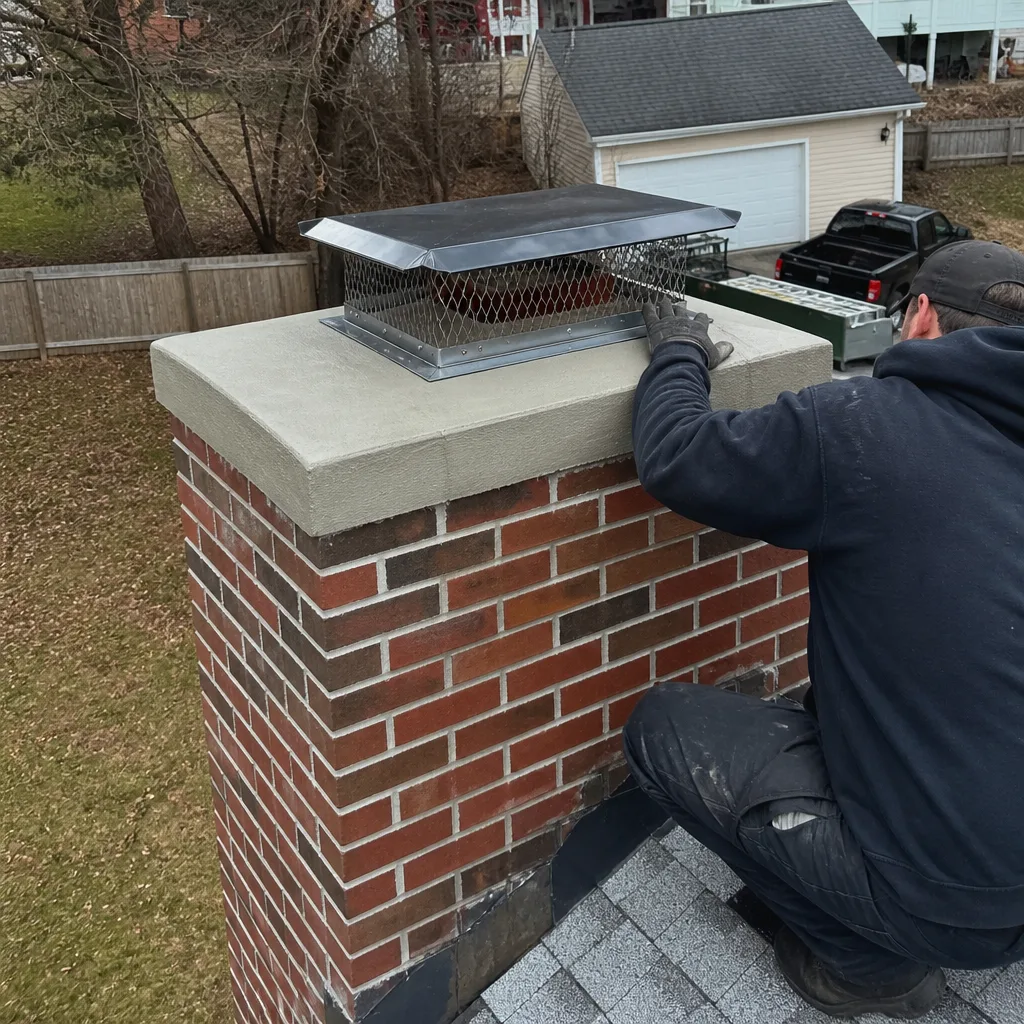 After
HeatShield Chimney Cap Installation: The Boston Owner’s Guide
HeatShield chimney cap installation in Boston typically runs $280-$520 for most single-flue setups, including the cap, mounting hardware, and labor. We stock HeatShield-compatible caps in common sizes and can usually install within a few business days once we confirm your flue dimensions. Most Boston homeowners discover the cap has failed after finding rust stains on the masonry, hearing animals in the flue, or noticing water in the firebox after a Nor’easter.
Which HeatShield Models This Applies To
HeatShield caps are not a standalone product line - they’re the termination component installed atop a HeatShield relined flue. The cap must match both the liner diameter and the specific HeatShield Cerfractory Foam application: standard spray coating, hybrid system with a stainless steel sleeve, or full liner replacement. We see the hybrid system most often in Boston’s pre-1940 housing stock, where clay flues have cracked from freeze-thaw cycles.
To identify your part, check the metal tag on the liner itself, usually visible from the firebox or crown level. The tag lists the liner diameter (typically 6″, 7″, or 8″ for residential), the HeatShield batch date, and whether the installation included a stainless connector. The cap must seat on the liner, not the clay surround, or you’ll have a gap that funnels water straight down. We carry Gelco and Olympia Chimney caps that mate precisely with HeatShield terminations, and we match OEM specs without charging OEM markup. Hearthstone Chimney Co. is an independent service provider, not affiliated with HeatShield.
Signs Your HeatShield Chimney Cap Installation Is Failing
- Rust streaks down the chimney face. HeatShield caps use 304 or 316 stainless steel, but the mounting collar can corrode where it meets a galvanized chase cover. In Boston, we see this accelerate within five to seven years when salt air from the harbor meets morning condensation.
- Water in the firebox after heavy rain. The cap’s mesh screen may be intact while the lid has shifted or the storm collar has separated from the flue. Water bypasses the cap entirely and runs down the liner exterior.
- Bird or squirrel noise in the flue. HeatShield mesh is 5/8″ weave, fine enough for most pests, but a detached cap leaves the flue open. We’ve pulled nests from Dorchester triple-deckers where the cap blew off in a March wind and nobody noticed until June.
- Smoke backup on windy days. The cap’s draft-induction design can clog with creosote or deform from heat cycling. A partially blocked cap creates pressure imbalance that pushes smoke into the room when the wind hits from the northeast.
- Visible gaps at the liner-cap joint. The compression band or silicone seal fails, usually from thermal expansion mismatch between the stainless liner and the cap base. This gap is invisible from the ground but obvious on our camera inspection.
Replacement Cost & What’s Included
For Boston homes, installed HeatShield-compatible chimney caps range from $280 for a basic 6″ single-flue cap with standard mesh to $520 for an 8″ model with wind-resistant lid and animal-proof screening. The price moves with liner diameter, roof access difficulty, and whether the crown needs resealing before we mount the new cap.
Every installation includes: removal and disposal of the failed cap, inspection of the liner termination with camera documentation, new stainless steel cap with matching storm collar, high-temp silicone seal, and compression-band fastening. We photograph before and after. The 90-Day Done Right Promise covers the work in writing, no arguing. A square deal: the number on the estimate is the number on the invoice.
DIY or Call Us?
You can safely check whether the cap is present from the ground with binoculars, and you can verify water in the firebox yourself. Do not climb the roof to measure or remove the cap. HeatShield liners terminate above the roofline, often on pitches steepened by Boston’s dense snow loads, and the compression-band tools require two hands while you’re anchored. We’ve seen homeowners drop caps onto skylights and worse. The inspection camera we run costs less than an ER visit.
Call (857) 597-5950 and we’ll confirm your liner size from the tag or a quick look. Most replacements take under two hours once we’re on site.
FAQs
How long does a HeatShield chimney cap last in Boston?
A properly installed stainless cap lasts 15 to 20 years, but the seal and mesh typically need attention at year 8 to 12. Salt air, freeze-thaw, and creosote buildup are the local wear factors. Call (857) 597-5950 for an exact quote - estimates are free.
Can the cap be repaired instead of replaced?
Mesh screens and storm collars can sometimes be replaced separately, but a warped lid or corroded base means full replacement. We don’t patch a cap that won’t last another five years. Call (857) 597-5950 for an exact quote - estimates are free.
How long does the swap take?
Most HeatShield cap replacements take 90 minutes to two hours, including camera inspection and documentation. Complex roof access or crown repair adds time. Call (857) 597-5950 for an exact quote - estimates are free.
Do you stock HeatShield-compatible caps?
We carry 6″, 7″, and 8″ caps in 304 and 316 stainless, wind-resistant and standard profiles, on every service truck. Odd sizes or custom finishes order in within two business days. Call (857) 597-5950 for an exact quote - estimates are free.
Russell Haines learned the trade at Los Angeles Trade-Technical College, where the instruction was hands-on and the instructors had no patience for shortcuts. That foundation stuck. If the chimney’s doing its job, you won’t notice it. You hire us so it stays that way.
Written by Russell Haines, Owner, Hearthstone Chimney Co. at Hearthstone Chimney Co., serving Boston and nearby areas.