
Level 1 sweep and inspection to the NFPA 211 annual standard - flue, crown, cap, and flashing checked and photographed
Chimney sweep logs do not sweep chimneys. They loosen some creosote - which then falls where a brush and vacuum still have to collect it.
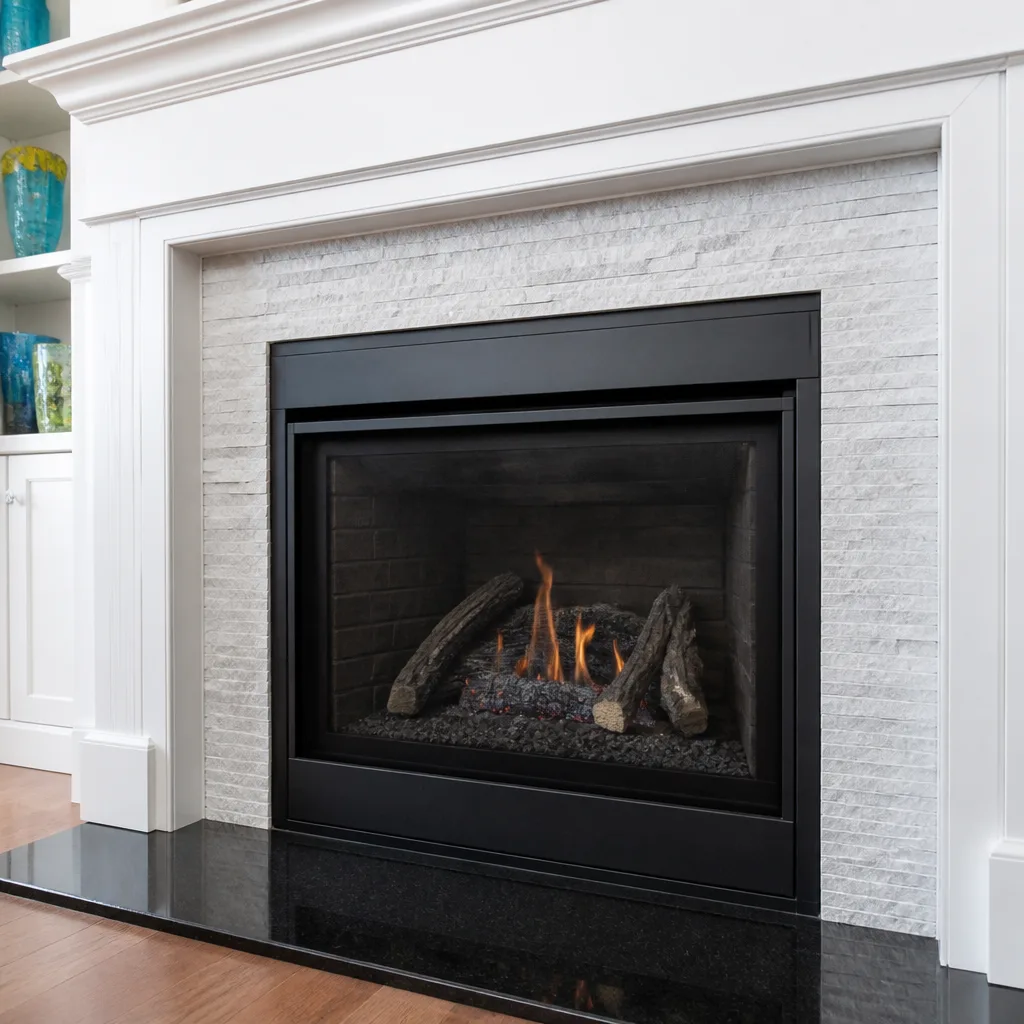
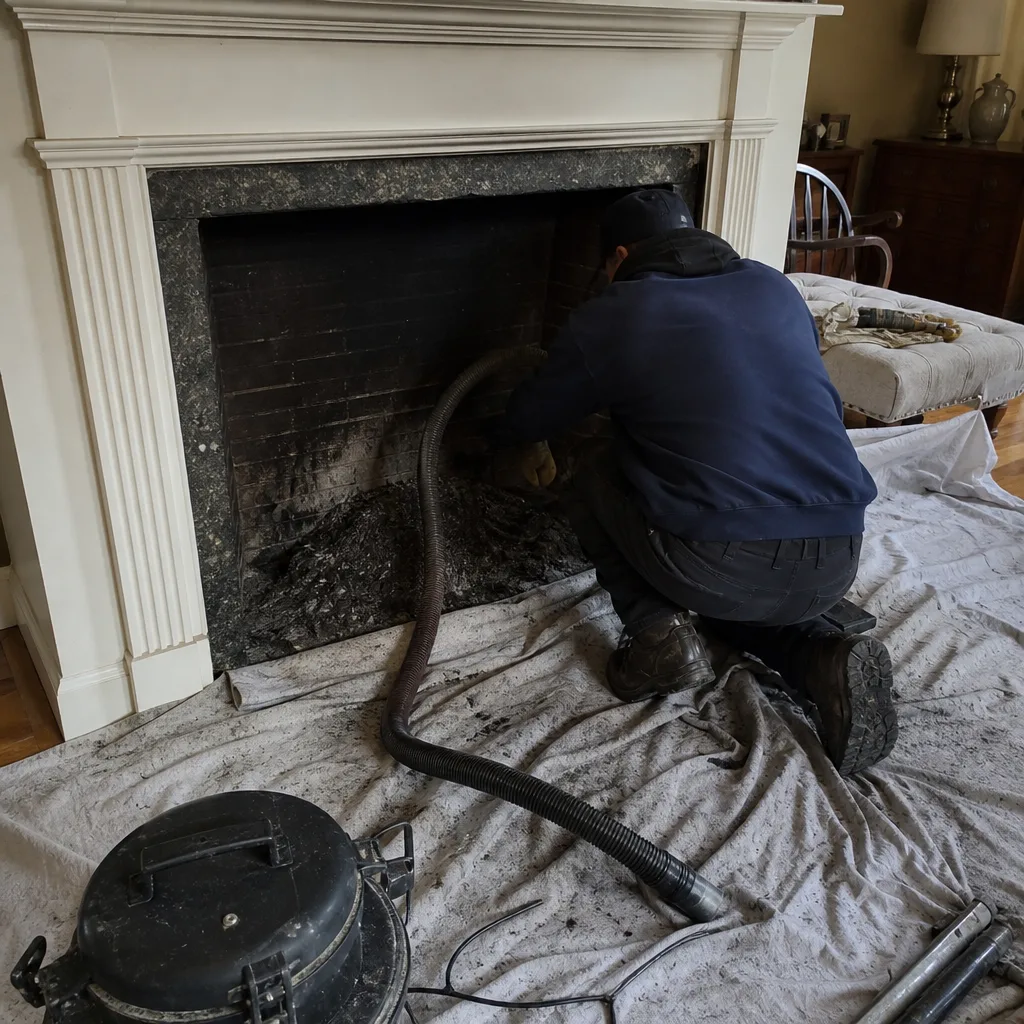 Before
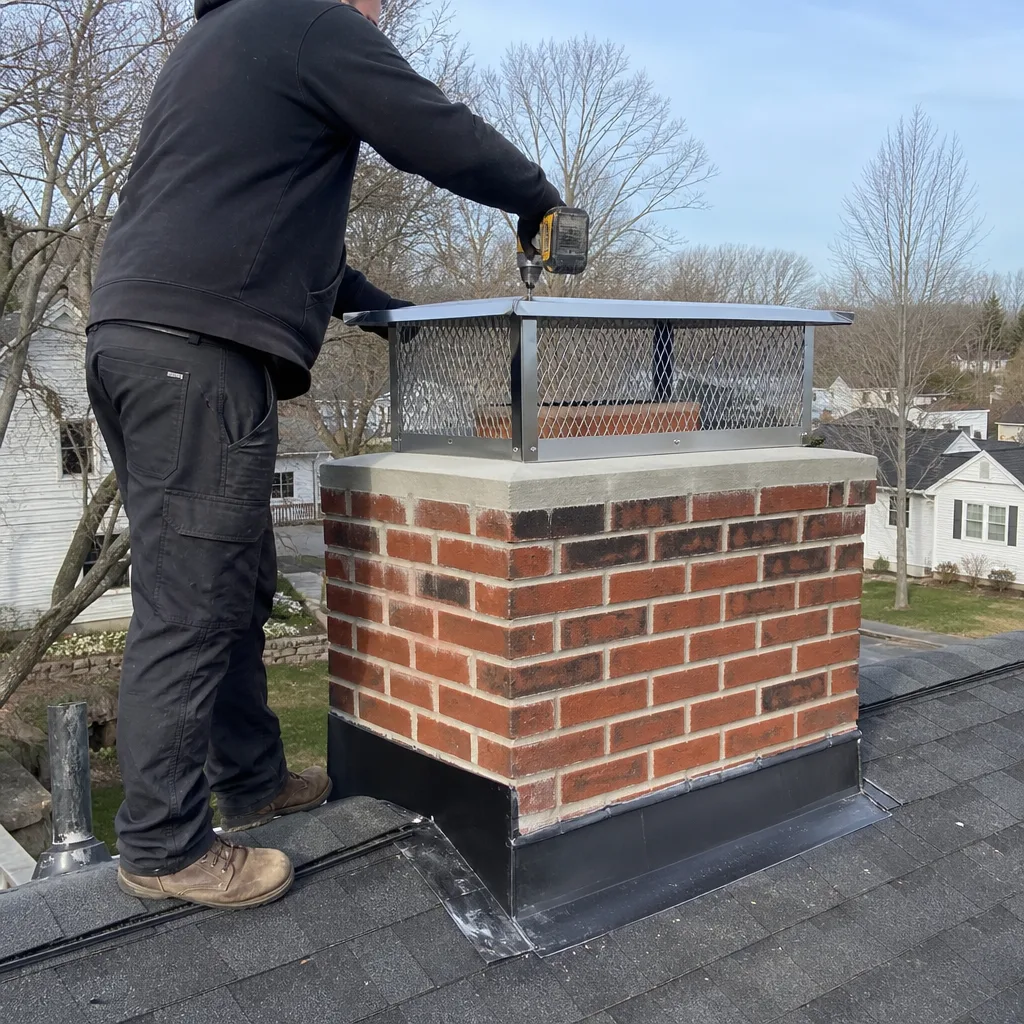 After
After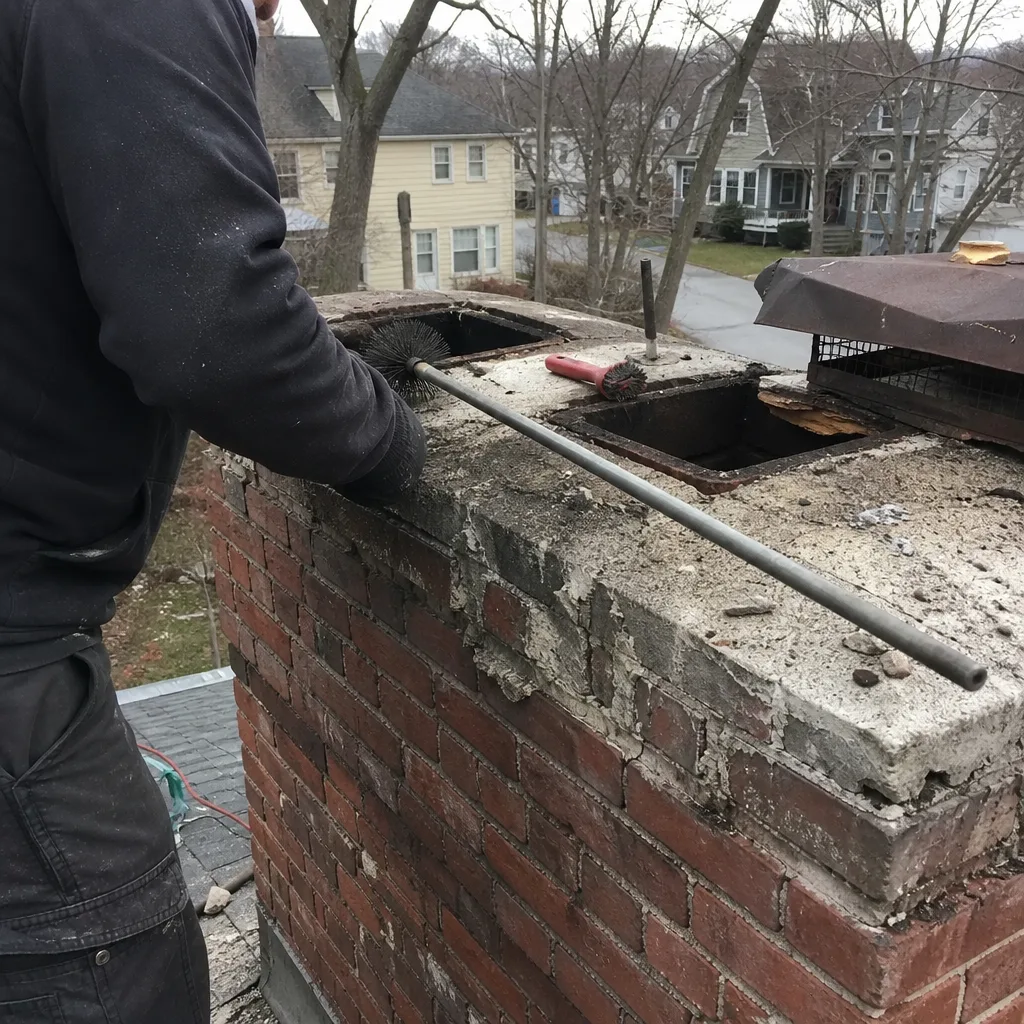 Before
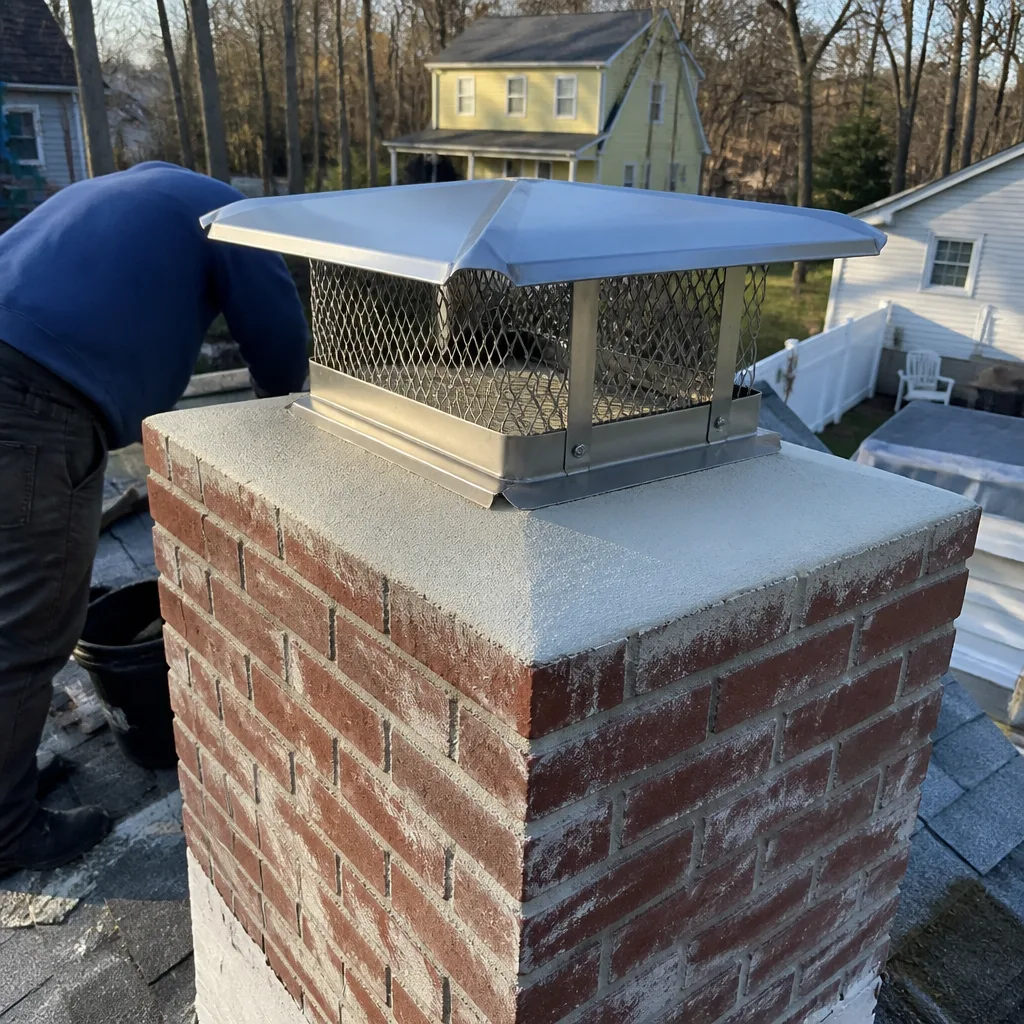 After
After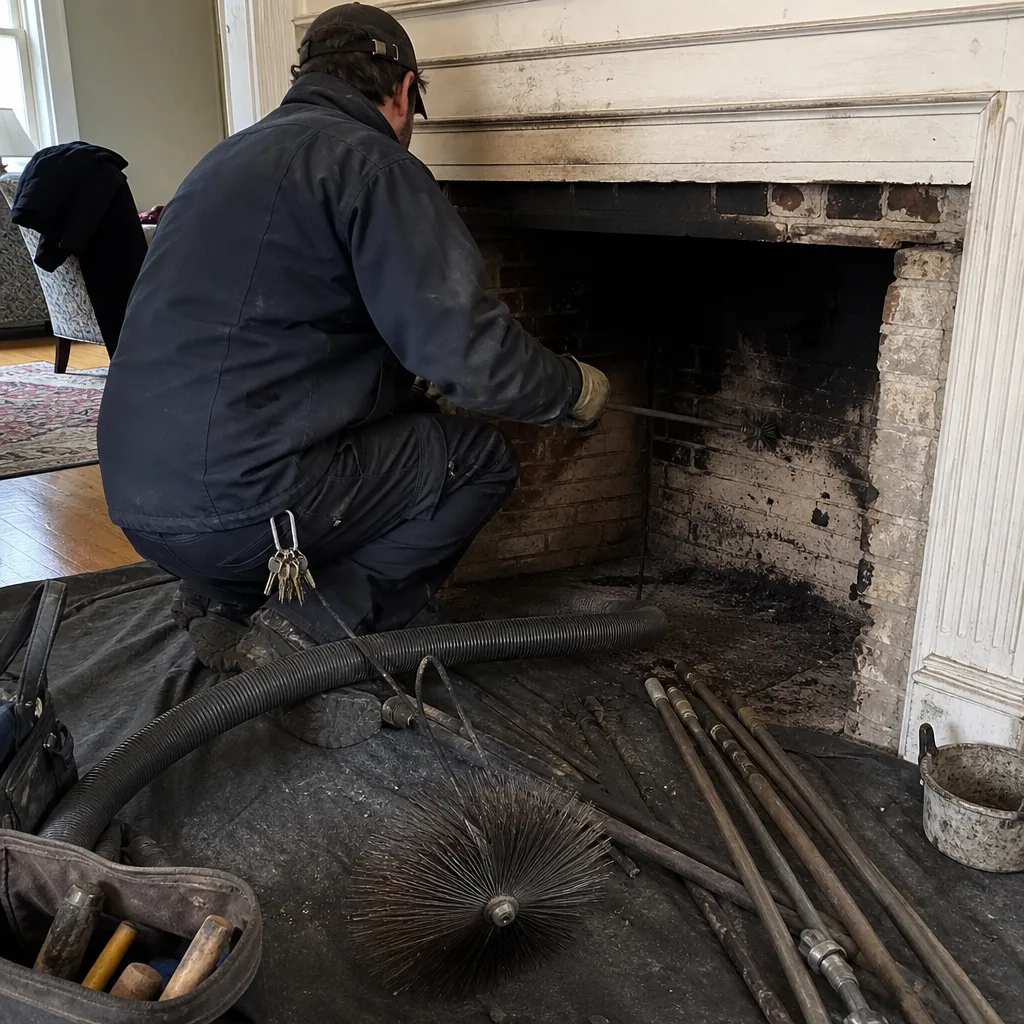 Before
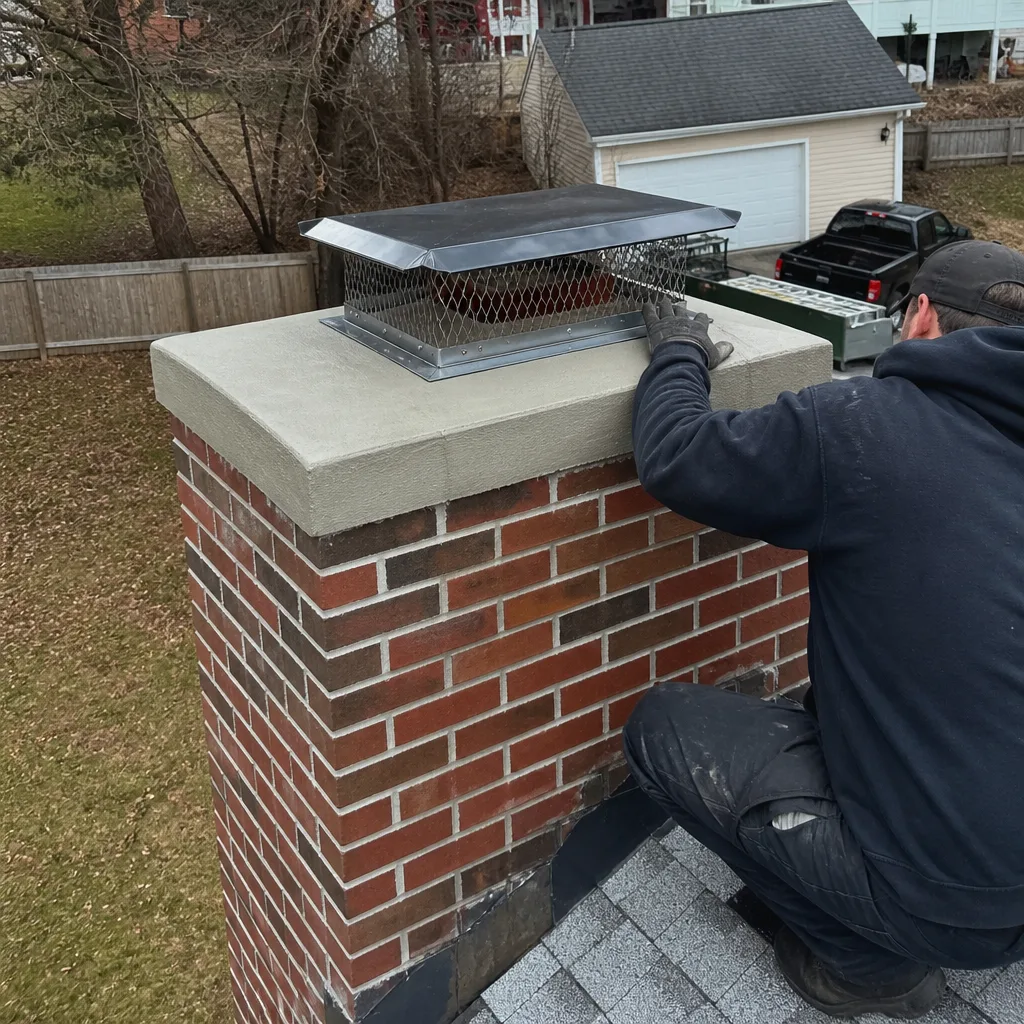 After
AfterChimney Cleaning Before & After in Boston, MA
We’re not big on talk. After 42 years in Boston, we’ve learned that a homeowner with a flashlight and a dirty flue can see the difference faster than we can explain it. The photos below are what we found, what we did, and how it looked after. No staging, no special lighting - just the work.
Recent Transformations
Heavy Creosote Buildup, Back Bay Brownstone
The homeowner in Back Bay noticed smoke backing up into the parlor on cold starts. We ran a Level-2 camera inspection and found glazed creosote packed from the smoke shelf to the crown - the hard, shiny kind that catches fire, not the fluffy stuff a standard brush touches. We used a rotary sweep with mechanical whipping heads and applied a creosote modifier first to break the glaze. Took about four hours. The camera pass after showed bare flue tile all the way up. No more smoke in the room, and the fire inspector’s report cleared them for the season.
Blocked Flue from Animal Nesting, Jamaica Plain Victorian
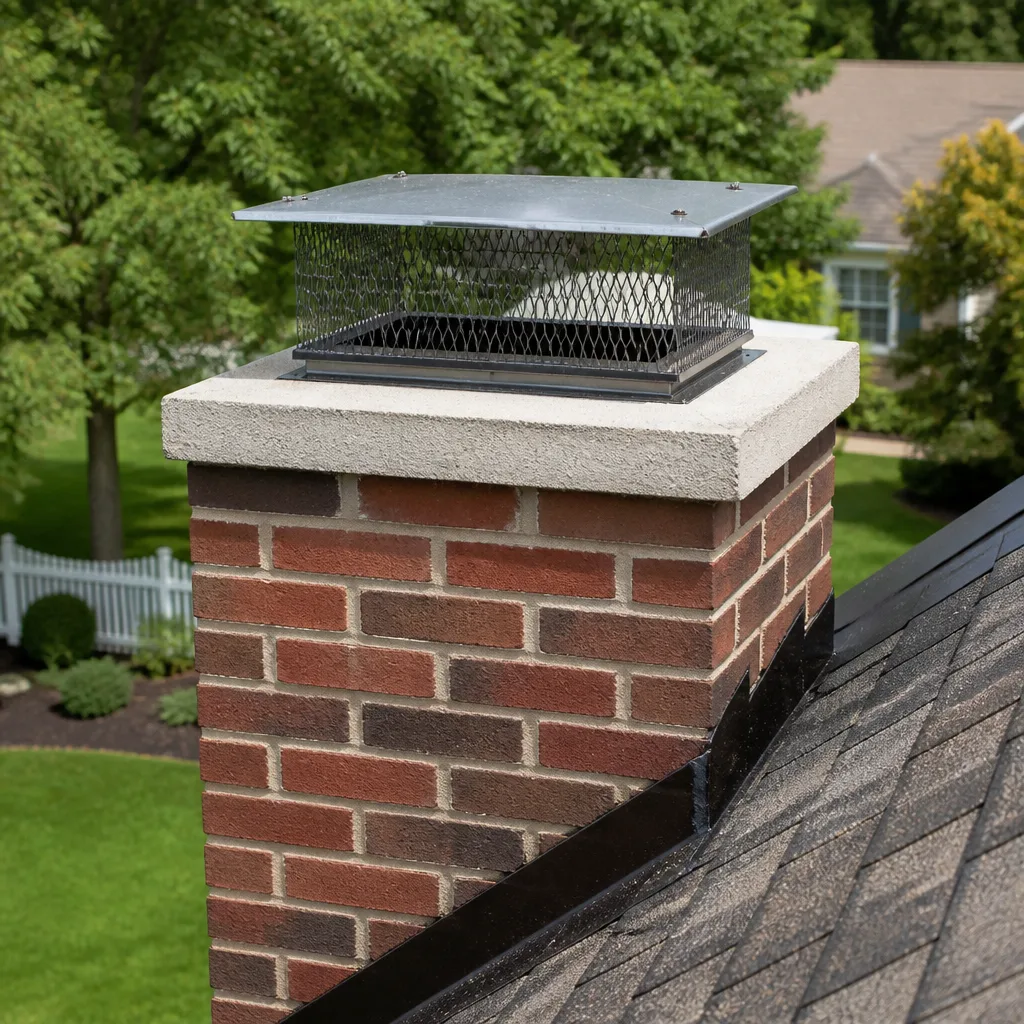
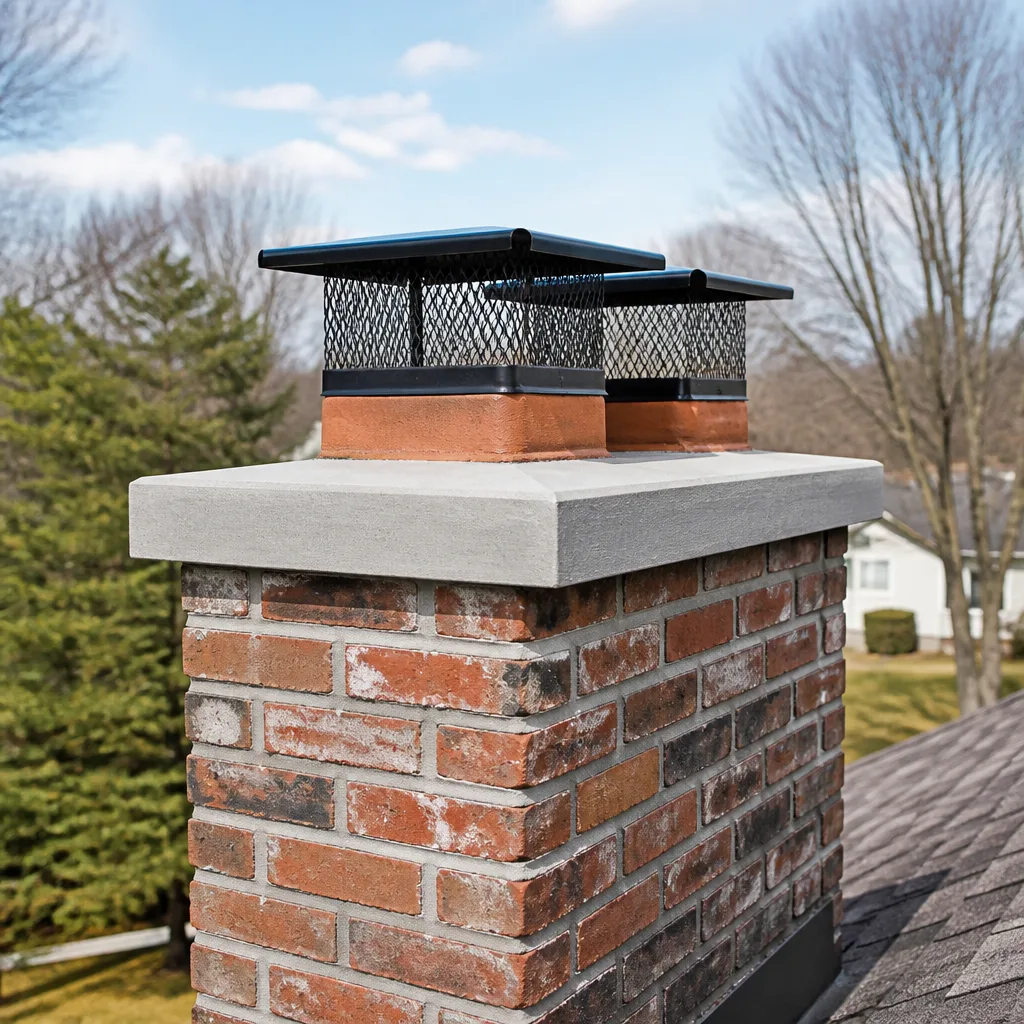
A family in Jamaica Plain called because their fireplace was “acting moody” - sometimes it drafted fine, sometimes it filled the house with cold air and the smell of wet leaves. We found a squirrel nest wedged above the damper, packed tight with maple helicopters and last fall’s gutter debris. The flue was maybe 20% open on a good day. We extracted it by hand and with a vacuum rig, then ran a full sweep. Installed a Gelco stainless cap with proper mesh before we left. That was May. They burned clean all winter and the squirrels moved to the neighbor’s chimney. We know because the neighbor called in November.
Stage 3 Creosote Fire Hazard, Roslindale Cape
This Roslindale homeowner bought the place in 2022 and assumed the chimney was “probably fine” because the inspector hadn’t flagged it. They were burning construction scraps and unseasoned pine from a tree that came down in their yard. The creosote was stage 3 - thick, crusted, and dripping tar-like deposits below the roofline. It’s the kind that ignites at 451 degrees and burns at 2,000. We treated it chemically over two visits to soften the deposit, then rotary swept and vacuumed. Found minor tile joint gaps during the camera pass, sealed them with HeatShield. Told them straight: burn only seasoned hardwood, or we’ll be back looking at the same thing. They took the advice. We checked in the following fall and the flue was clean as new work.
Fallen Liner Debris and Soot Fall, South End Condo Conversion
A South End condo association called us in after a tenant reported “black gravel” falling into the fireplace every time the wind blew hard from the northeast. The building was converted in 2008 and no one had touched the chimneys since. We found the top courses of a clay liner had spalled and dropped, and fifteen years of soot fall had packed the smoke shelf solid. The damper was frozen at 30% open. We extracted three buckets of debris, swept the flue, serviced the damper with new pins and alignment, and parged the firebox where the old mortar had crumbled. The condo board got photos of everything, including the cracked liner top. They booked the liner replacement for spring and had us cap the other two units before the same thing happened there.
Exterior Staining and Flue Obstruction, Dorchester Triple-Decker
The white staining on the brick was what the Dorchester owner noticed first - efflorescence from water getting in and pulling salts through. Inside, the flue had partially collapsed at the shoulder where the chimney steps in for the smaller top courses. Water had been running down the gap for years, carrying soot and creosote with it. We rebuilt the shoulder with proper high-temperature mortar, swept the flue clear of the accumulated sludge, and applied a vapor-permeable waterproofing to the exterior. The staining won’t come off completely - it’s been there too long - but it won’t spread, and the chimney won’t keep rotting from the inside. Owner’s words: “At least now I know what I’m looking at.” That’s the point of the camera pass. Photos you can see, a plain-English verdict.
Neglected Flue in Rental Property, Allston Student Housing
An Allston property owner called after his insurance carrier threatened to drop coverage on a three-unit building if he didn’t produce a current chimney inspection. The flue hadn’t been swept since 2016, through four sets of tenants who’d all used the fireplace. We found the flue narrowed to about 40% of its original opening - not quite blocked, but drafting so poorly that carbon monoxide was a real concern on low-burn nights. We swept it, ran the camera, and provided the dated inspection report with photos his carrier accepted. Told him the same thing we tell every landlord: this isn’t a tenant responsibility, it’s a liability issue that lands on the owner. He put all six of his properties on our annual reminder list. Done right - and we stand behind it, but prevention is cheaper than documentation under pressure.
Want Results Like These?
Every job above started with a phone call to (857) 597-5950. A live person answers, 24 hours a day, 7 days a week. We’ll schedule a Level-2 camera inspection, show you exactly what we’re looking at, and give you a price that doesn’t change. Most cleans are done in a single visit. If it’s not right, we come back. In writing, no arguing.
Written by Russell Haines, Owner at Hearthstone Chimney Co., serving Boston since 1984.