
Level 1 sweep and inspection to the NFPA 211 annual standard - flue, crown, cap, and flashing checked and photographed
Chimney sweep logs do not sweep chimneys. They loosen some creosote - which then falls where a brush and vacuum still have to collect it.
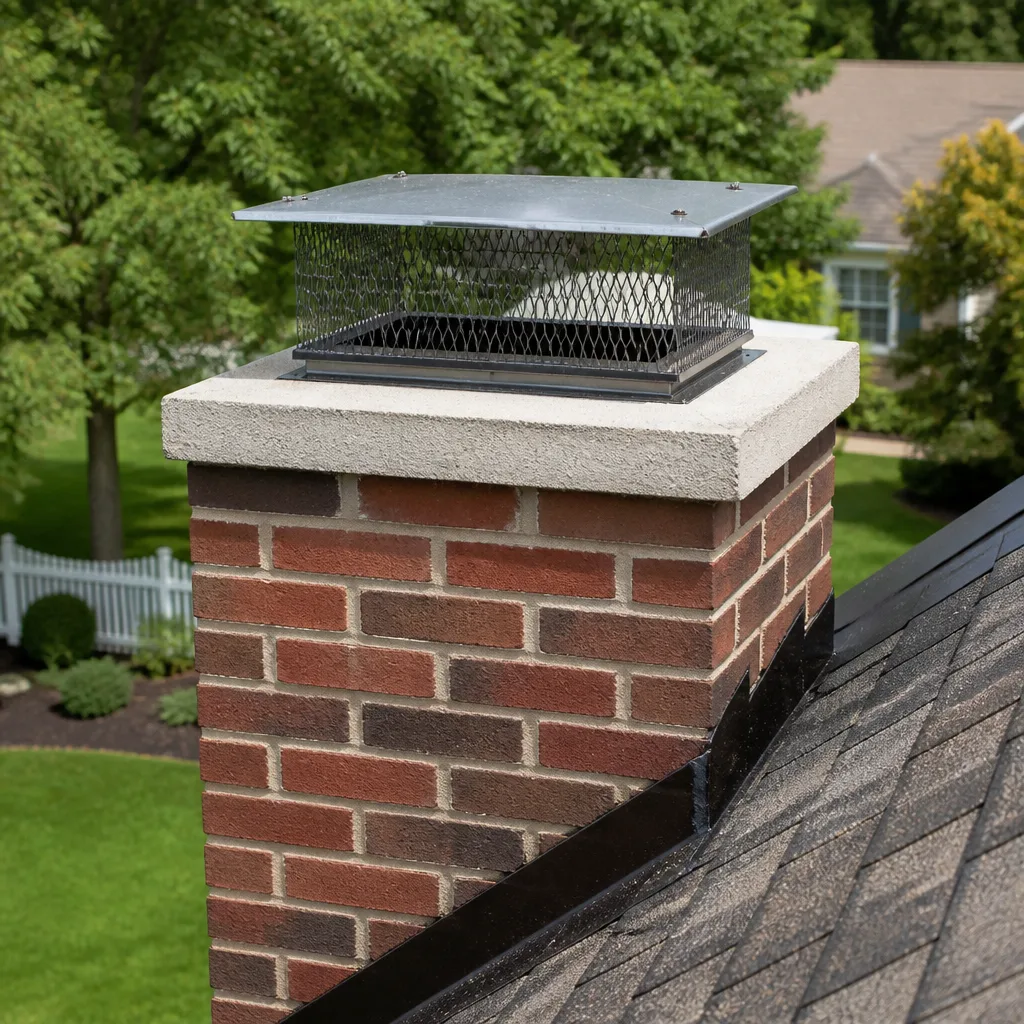
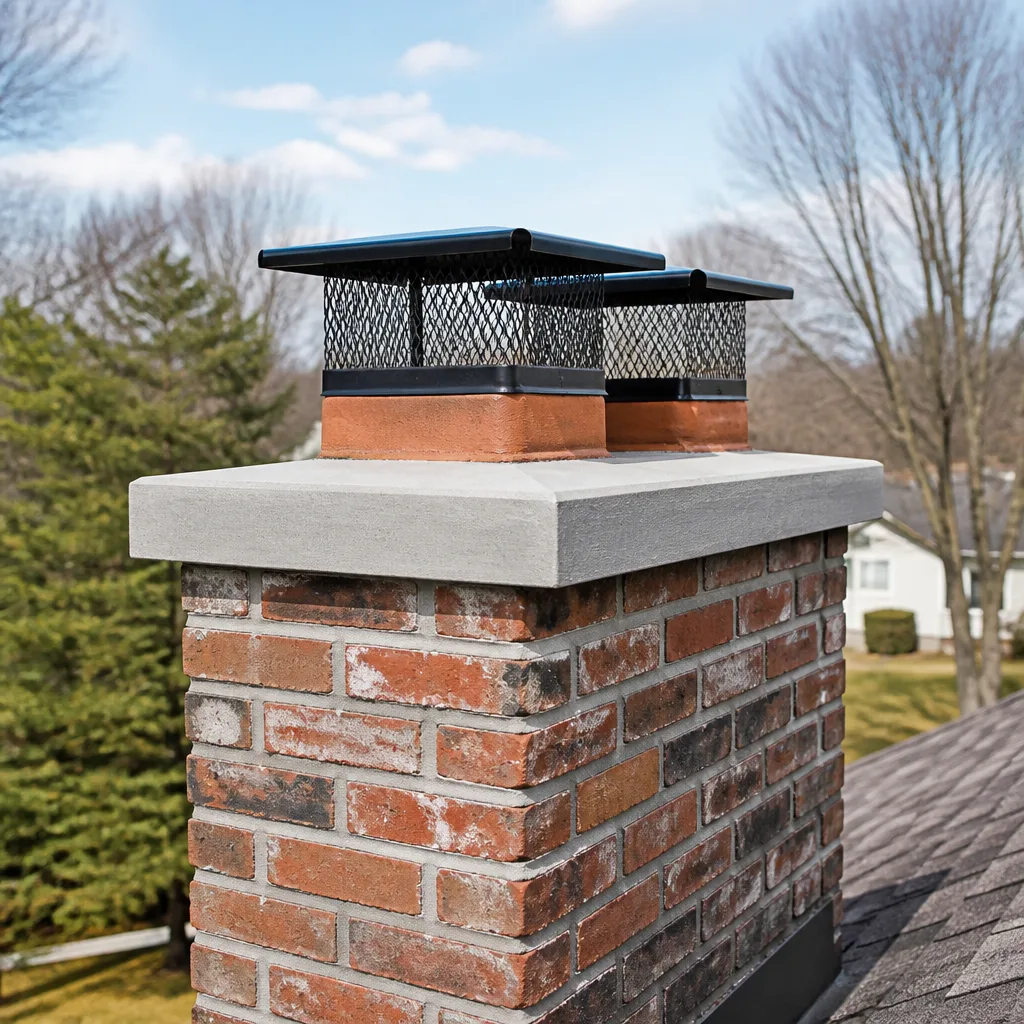
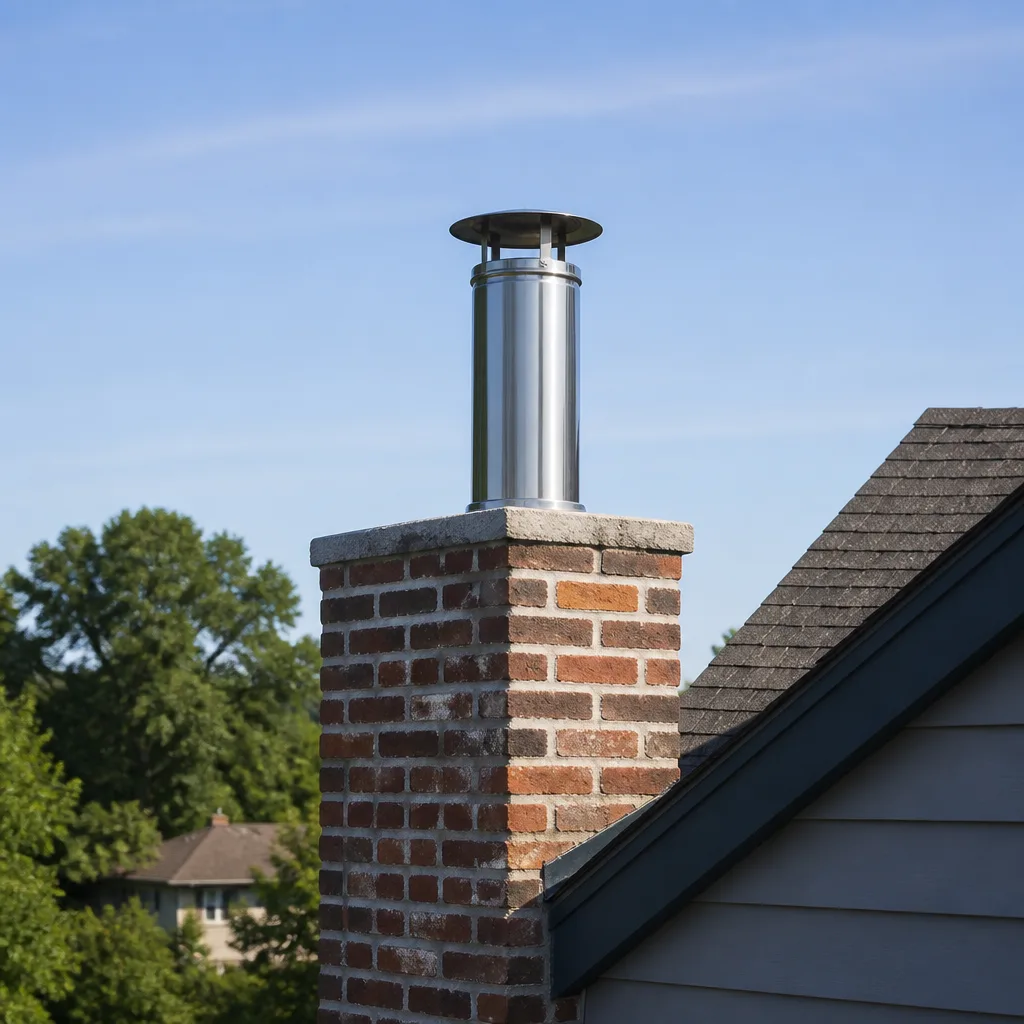
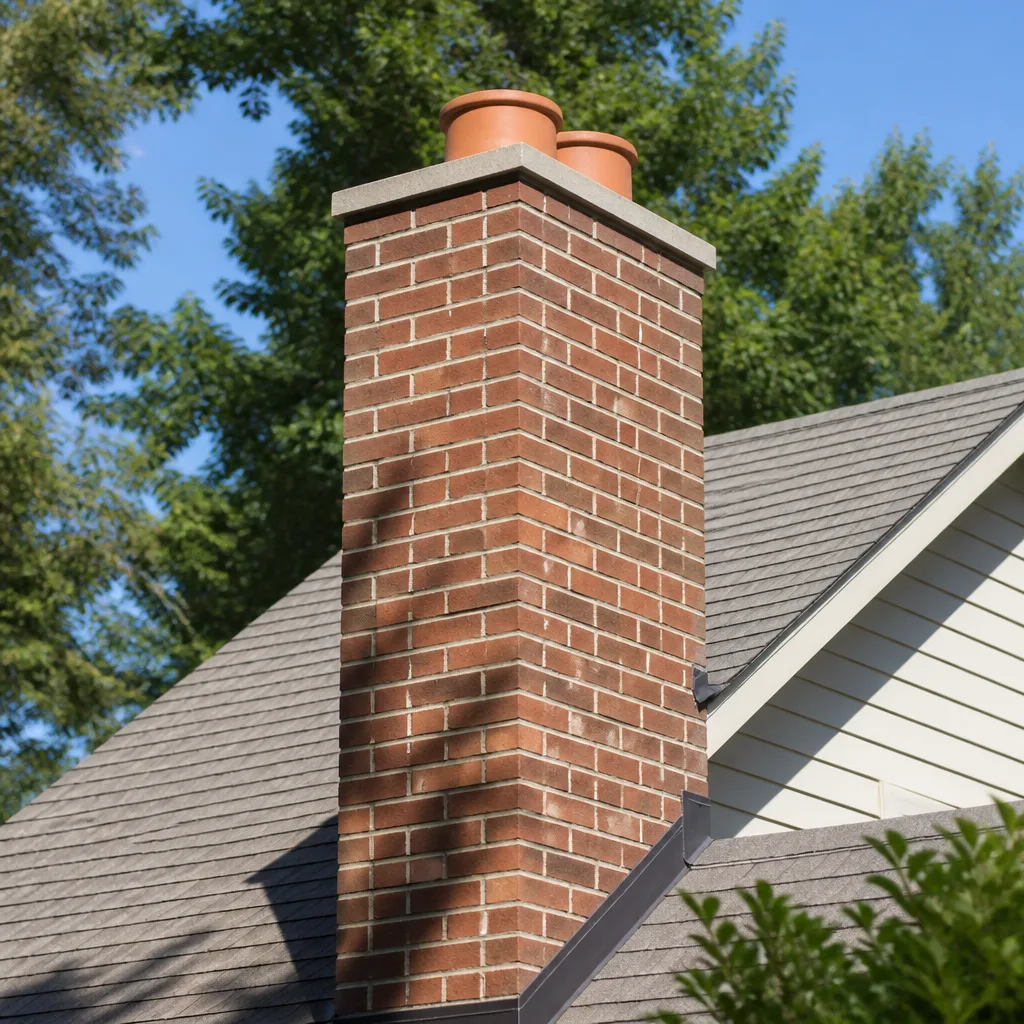
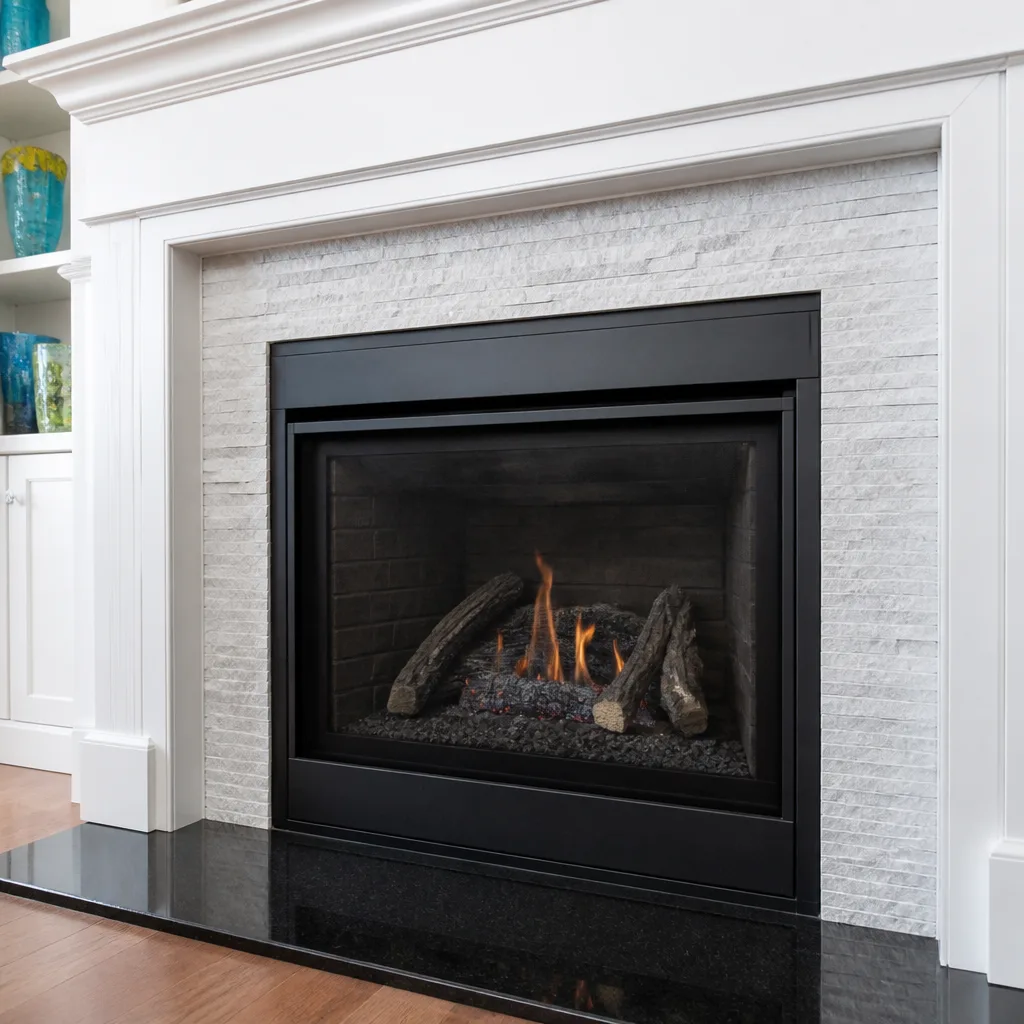
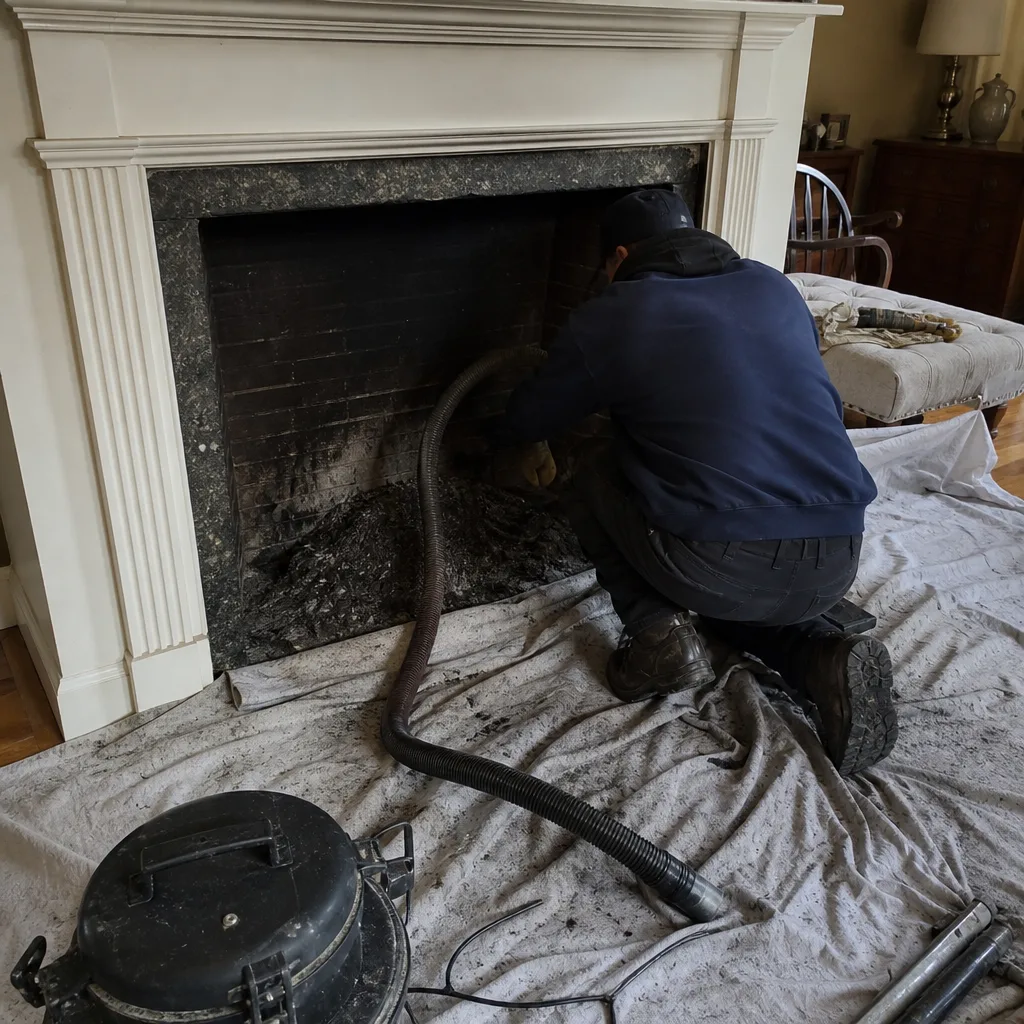 Before
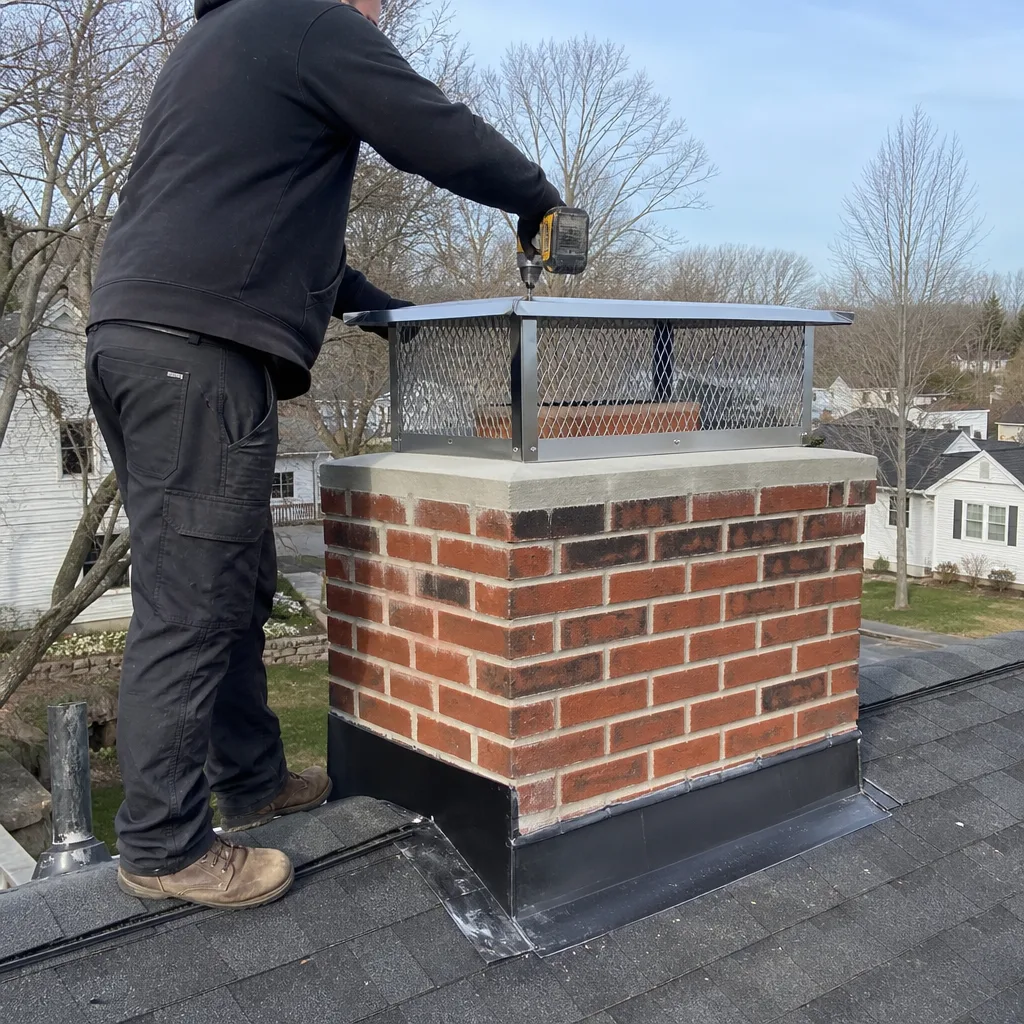 After
After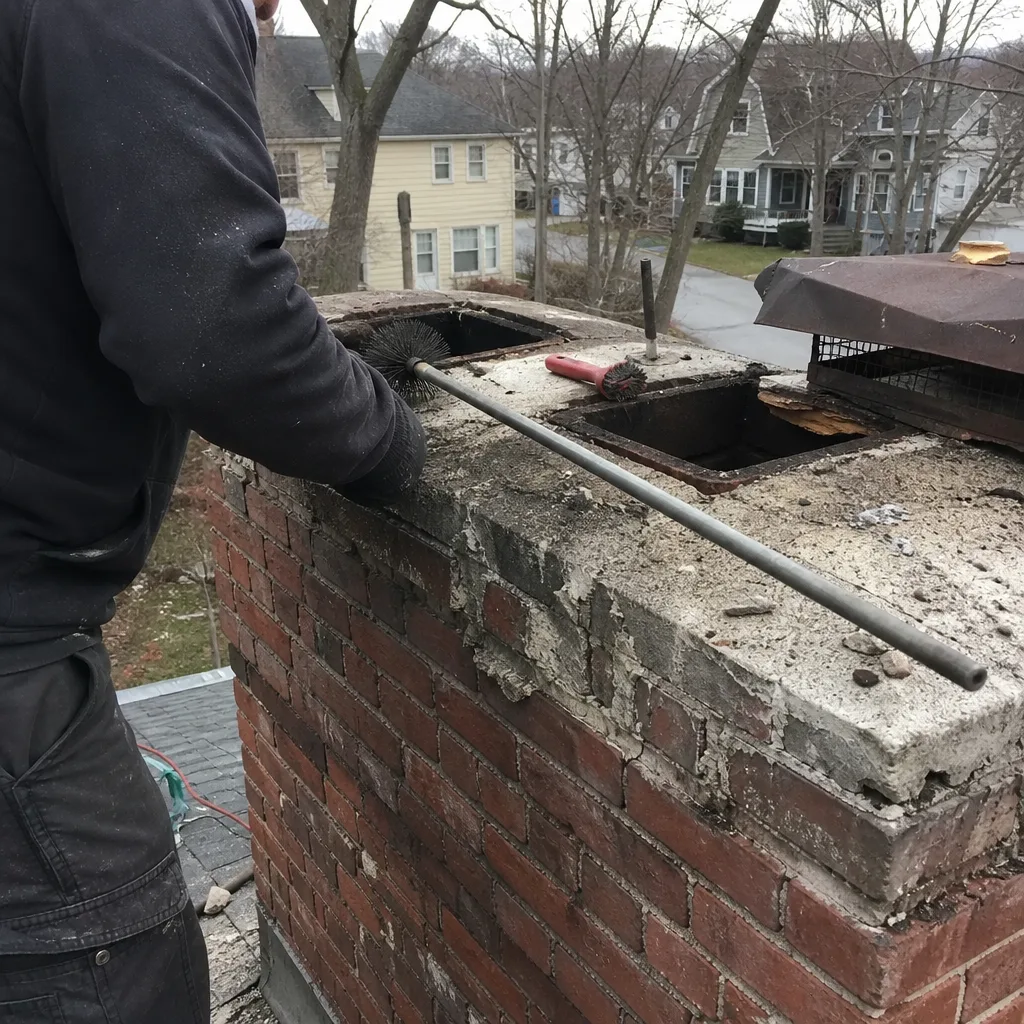 Before
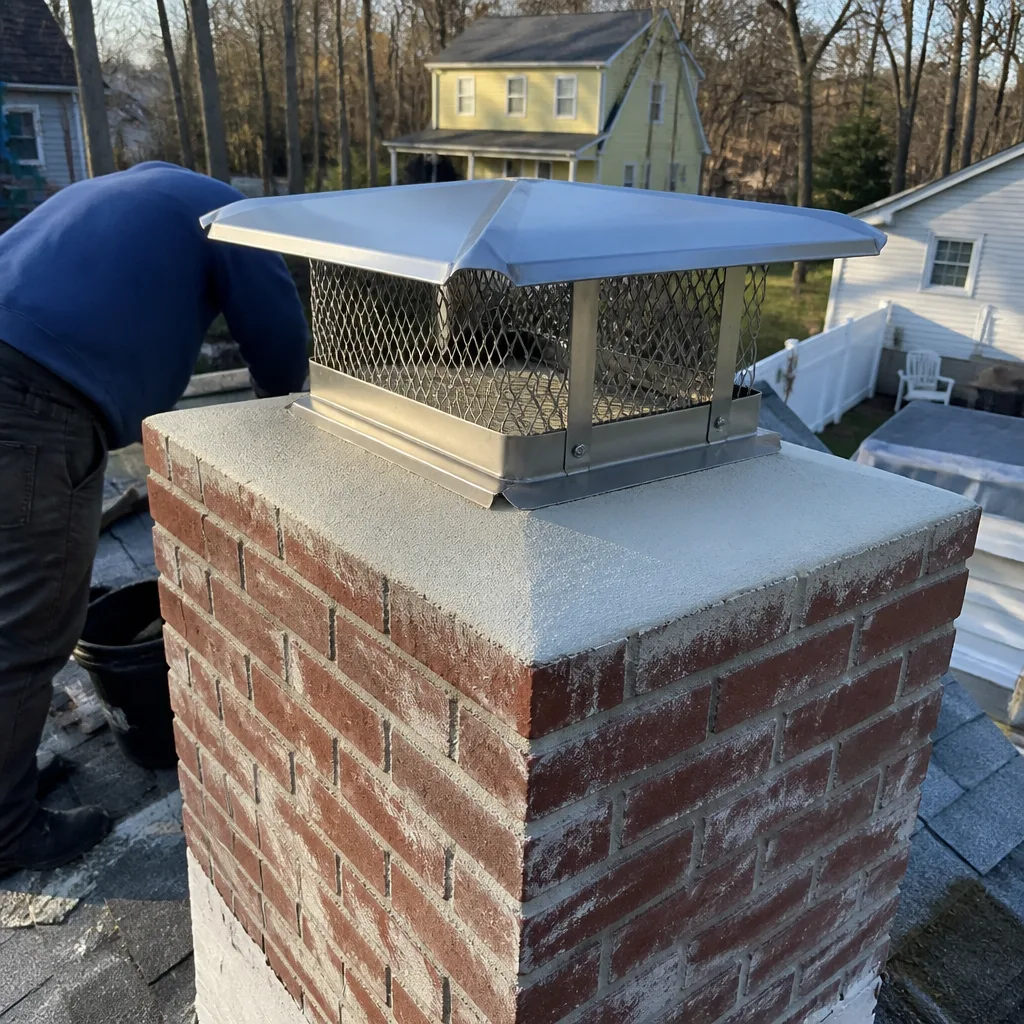 After
After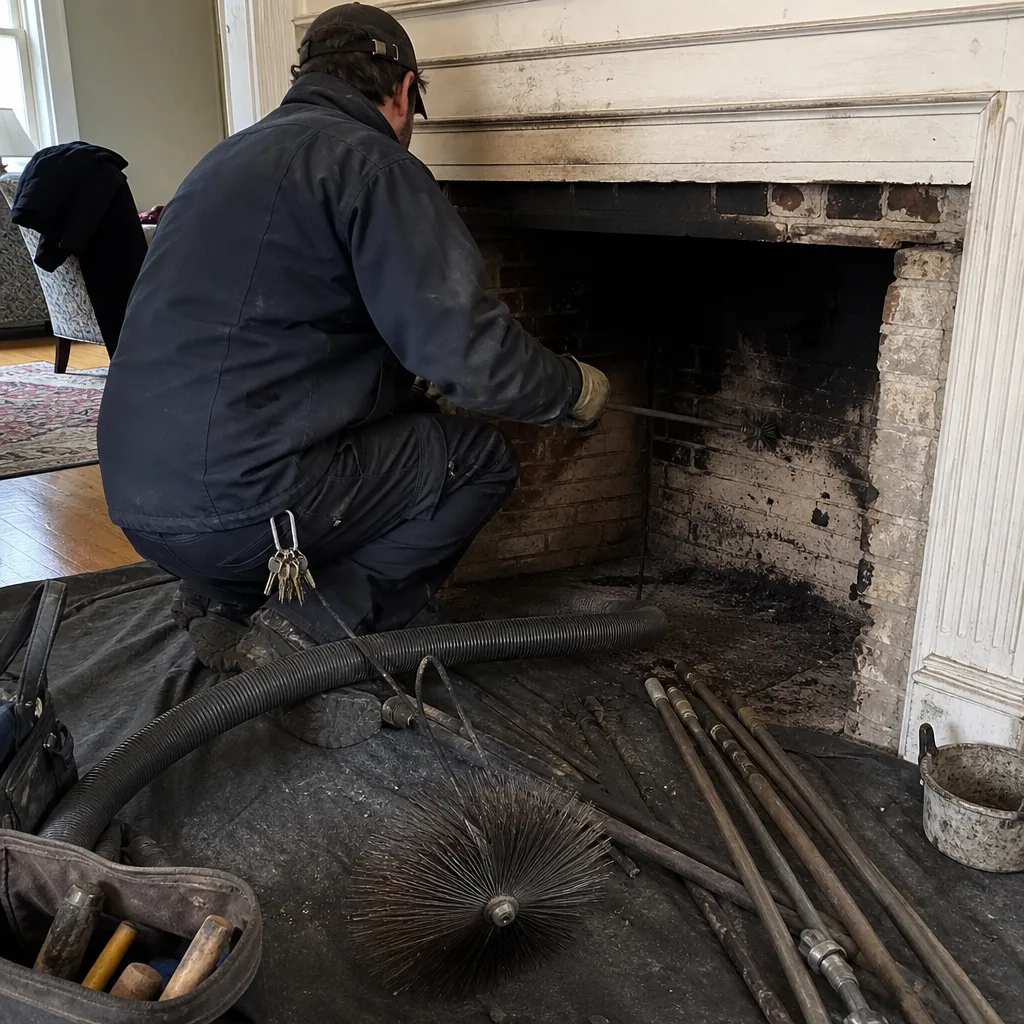 Before
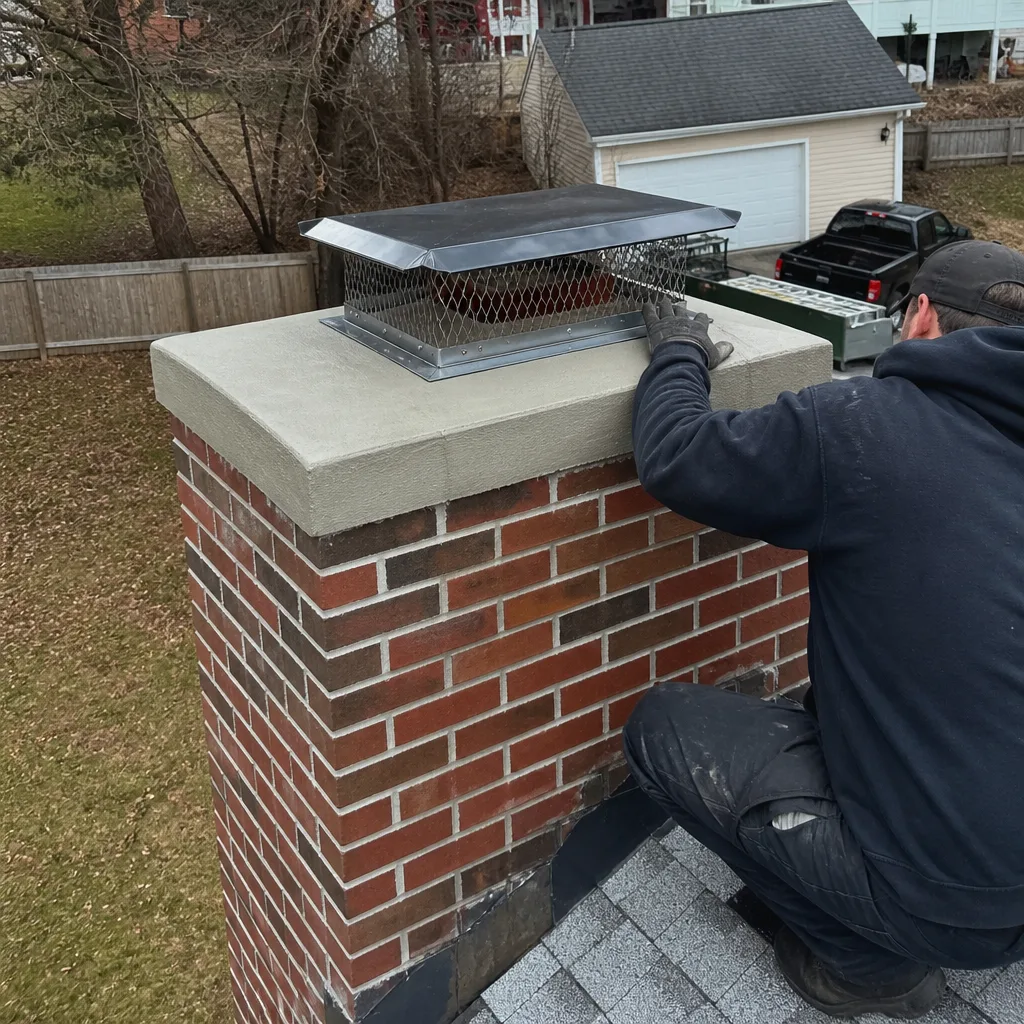 After
AfterHeatShield Flue Liner Replacement: The Boston Owner’s Guide
We stock and install HeatShield-compatible flue liner replacement systems for Boston homeowners, with most jobs running between $2,800 and $5,200 installed depending on chimney height, diameter, and access. If your liner is cracked, spalling, or pulling away from the clay tile, we can usually inspect and quote same-day, with replacement parts on our trucks for standard sizes. Most Boston owners discover the problem during a routine sweep or after a chimney fire, smoke backup, or that faint tar smell that won’t quit.
Which HeatShield Models This Applies To
HeatShield manufactures two distinct liner systems, and knowing which one you have determines everything about replacement cost and compatibility.
The Cerfractory Sealant system is a resurfacing product applied directly to existing clay flue tiles. It is not a standalone liner. If your Cerfractory coat has delaminated, cracked, or developed pinholes, we remove the failed material and evaluate whether the underlying tile can accept fresh Cerfractory or needs full liner replacement with a stainless system. The HeatShield UL Listed Alloy Liners are flexible stainless steel inserts in .005″ and .006″ wall thicknesses, available in diameters from 3″ to 12″. These carry a manufacturer lifetime warranty when properly installed with their specified components.
To identify your system, check for a stamped metal tag near the top of the chimney or documentation from your last sweep. The alloy liners have a ribbed, flexible appearance if viewed from the firebox with a flashlight. For the Cerfractory system, look for a smooth, cream-colored coating over terracotta tile. We carry both replacement alloy liners and fresh Cerfractory material on our trucks, along with HeatShield’s proprietary connection collars and top plates. Aftermarket equivalents exist for the alloy liners, but we spec OEM HeatShield collars and top fittings because third-party adapters have shown poor tolerance in Boston’s freeze-thaw cycles, particularly on north-facing masonry.
Hearthstone Chimney Co. is an independent service provider. We are not affiliated with HeatShield, though we have installed their systems since they entered the New England market.
Signs Your HeatShield Flue Liner Replacement Is Failing
- Smoke backing up into living spaces. A compromised liner loses its draft capacity. In Boston’s tight triple-decker flues, even a 3-inch delamination can reverse airflow on a cold start. We see this most often in Jamaica Plain and Dorchester homes where the original Cerfractory was applied over badly spalled tile.
- Visible cracks or flaking when viewed from the firebox. Shining a flashlight up the flue reveals cream-colored Cerfractory peeling like old paint, or shiny stainless with creosote bleeding through seams. If you can see daylight through a crack, draft is leaking and combustibles in the wall cavity are exposed.
- Strong tar or smoke odor even when the fireplace is cold. This means creosote has penetrated the liner barrier and saturated porous masonry. In Boston’s humid summers, that trapped creosote off-gasses continuously. It is also a chimney fire waiting for ignition.
- White efflorescence or rust stains on exterior brick. Condensation is getting past the liner and leaching salts through the mortar joints. We spot this pattern frequently on south-facing chimneys in Roslindale and West Roxbury, where daily freeze-thaw in March accelerates the damage.
- Your sweep flagged it during Level-2 inspection. Camera footage showing gaps at joints, ovalization of the flexible alloy, or Cerfractory thinner than 1/4″ means replacement is due. We show you the footage and explain what you are looking at before quoting any work.
Replacement Cost & What’s Included
| Scope | Typical Range (Boston) |
|---|---|
| HeatShield alloy liner, standard 25-30′ single flue, 6″ diameter | $2,800 – $4,100 |
| HeatShield alloy liner, 35-45′ or multiple bends | $4,100 – $5,200 |
| Cerfractory removal + fresh application (tile salvageable) | $1,800 – $2,900 |
| Cerfractory removal + new alloy liner (tile unsalvageable) | $3,400 – $5,200 |
| Chimney top plate, HeatShield OEM | $340 – $480 |
| Insulation blanket (required for some installations) | $280 – $420 |
What drives the range: chimney height, number of flue bends, whether we can pull from the top or must work from inside, and the condition of the existing top plate and flashing. Every estimate includes the Level-2 camera inspection, photo documentation, removal and disposal of the failed liner or Cerfractory, installation of new HeatShield components with proper insulation where required, and pressure testing. Our 90-Day Done Right Promise covers the installation in writing. If it is not right, we come back. No arguing.
DIY or Call Us?
There is honest work a homeowner can do, and there is work that belongs to people with the right tools and the right insurance.
You can safely verify your liner type with a flashlight and mirror, check for obvious cracks from the firebox, and confirm your chimney cap is in place. You cannot safely evaluate the full length of a flue liner without a camera, and you cannot replace one. Flexible alloy liners must be cut to length with specialized shears, connected with proprietary collars, and pulled under controlled tension. A dropped section can lodge irretrievably. Cerfractory removal requires containment of silica dust and proper respirators. More critically, working on a roof in Boston’s shoulder seasons, or on a triple-decker with limited access, is how people get hurt.
We are background-checked, uniformed, and carry the insurance this work requires. Most jobs complete in a single visit. Call (857) 597-5950 for a free estimate, and we will show you exactly what we found before you commit to anything.
FAQs
A properly installed HeatShield alloy liner carries a lifetime manufacturer warranty and typically serves 20-30 years in Boston’s climate. Cerfractory resurfacing lasts 15-20 years if the underlying tile was sound, less if applied over compromised substrate. Salt air exposure in coastal neighborhoods like South Boston and Charlestown can accelerate corrosion on lesser alloys, which is why we spec HeatShield’s UL-listed stainless rather than generic alternatives. Call (857) 597-5950 for an exact quote - estimates are free.
Localized Cerfractory damage can sometimes be patched if the underlying tile is intact and the defect is accessible. Alloy liners with joint separation or wall thinning require full replacement; patching flexible stainless is not code-compliant and will fail again. We will show you the camera footage and tell you plainly which category you are in. Call (857) 597-5950 for an exact quote - estimates are free.
Most HeatShield alloy liner replacements in Boston complete in one day, typically 4-6 hours for a standard single-flue installation. Complex pulls with multiple offsets or tight clearances may extend to a second day. We book the full day and finish early rather than rush. Call (857) 597-5950 for an exact quote - estimates are free.
We stock the most common HeatShield alloy diameters - 6″, 7″, and 8″ - along with connection collars, top plates, and insulation on our trucks. Less common sizes and Cerfractory material are available through our Boston-area distributor with 24-48 hour turnaround. In most cases we inspect, quote, and schedule replacement within a week. Call (857) 597-5950 for an exact quote - estimates are free.
Written by Russell Haines, Owner, Hearthstone Chimney Co. at Hearthstone Chimney Co., serving Boston and nearby areas.